
| Accessibility Dimension | Score (/5) | Notes |
| Wheelchair / Mobility | 3.5 / 5 | Flat city with step-free metro, low-floor buses, and accessible trams (newer models). Significant challenges: cobblestones in Jordaan, Dam Square, and Red Light District; steep arched canal bridges on side streets. |
| Visual Impairment | 3 / 5 | Tactile paving at metro stations, tram stops, and major crossings. Audio announcements on GVB metro and buses. Several museums offer audio guides. Bike lanes present a significant navigation hazard — fast-moving cyclists with no audible warning except bells. |
| Hearing Impairment | 3.5 / 5 | Visual display boards at GVB stations and tram stops. Several museums offer sign language interpretation on scheduled dates (e.g., Eye Filmmuseum NGT tours on the 3rd Sunday of each month). OVpay contactless ticketing removes verbal interaction at ticket barriers. |
| Cognitive Accessibility | 3 / 5 | GVB Travel App “Less Walking” filter simplifies journey planning. Some museums use straightforward wayfinding and visual signage. Nxt Museum contains flashing images and loud sounds flag for sensory sensitivities. Busy tourist areas can be overwhelming. |
| Accessible Transport | 4 / 5 | All metro stations step-free with lifts. All GVB buses low-floor with ramps. Free accessible GVB ferries to Amsterdam Noord. Tram accessibility varies sharply by vehicle model newer fleet excellent, older models have steps. |
| Accessible Accommodation | 4 / 5 | Wide range of verified accessible chain hotels across all price brackets in central locations. Roll-in shower rooms available at major international brands. Neighbourhood choice is critical manual wheelchair users need tram line proximity; power users benefit most from central accommodation. |
| Overall | 3.5 / 5 | Amsterdam is among the more accessible major European cities for wheelchair users, with flat terrain, strong public transport, and excellent museums but historic cobblestones, arched bridges, and inconsistent tram fleet quality require careful pre-trip planning. |
Scores based on iamsterdam.com (Oct 2024), wheelieguides.com (Mar 2026), sagetraveling.com (Apr–Sep 2025), and ableamsterdam.com (Sep 2025). Verify before travel as conditions change.
🗺️ At a Glance
Destination: Amsterdam, Netherlands
Best time to visit: March–May (spring tulip season with fewer summer crowds) or September–October (mild weather, shorter queues at major museums)
Accessibility highlight: All 53 GVB metro stations are step-free with lifts; all GVB buses are low-floor with fold-out ramps and a max wheelchair dimension of 170 cm × 70 cm × 109 cm
Key accessibility resource: I amsterdam Accessibility Hub — iamsterdam.com/en/travel-stay/accessibility | GVB customer service: 0900 8011
Average accessible accommodation cost: Approx. €150–€300/night (mid-range chain hotel with confirmed accessible room)
Visa info: The Netherlands is part of the Schengen Area. EU/EEA citizens: no visa required. Non-EU travellers from visa-exempt countries may use an ETIAS travel authorisation (operational 2025). Check netherlandsworldwide.nl for your nationality.
Accessibility Overview: What Amsterdam Gets Right (and Where It Falls Short)
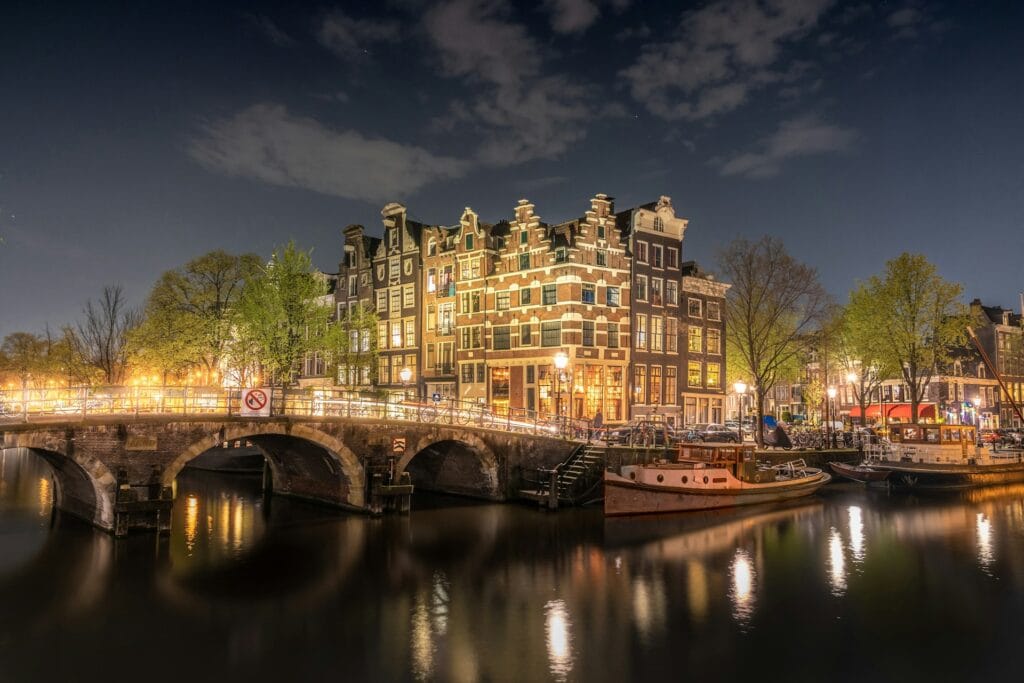
Amsterdam punches well above its weight for a European city of its age and character. Its flat topography, the entire city sits near sea level, immediately removes one of the most common barriers wheelchair users face in European capitals. The public transport network (GVB) has invested significantly in accessibility: all metro stations are step-free, all buses are low-floor with fold-out ramps, and free accessible ferries connect Centraal Station to Amsterdam Noord. The museum district around Museumplein is one of the most coherently accessible attraction clusters on the continent, with multiple world-class venues offering lifts, audio guides, tactile maps, and free companion tickets within easy rolling distance of each other.
What genuinely challenges wheelchair users is Amsterdam’s historic street fabric. Over 1,500 canal bridges cross the city’s waterways, many are steeply arched with no kerb cuts, particularly on smaller side streets. Cobblestones blanket the most tourist-heavy neighbourhoods: Dam Square, the Jordaan, the Red Light District, and the oldest canal ring streets (Herengracht, Keizersgracht, Prinsengracht). For power wheelchair users, cobblestones drain batteries significantly faster trip planning must account for shorter rolling distances per charge in these areas. Amsterdam’s tram network presents a split picture: newer tram models are excellent, with levelled entry, wide doors, and fold-out ramps; older models still in service have steps and minimal accessibility provision.
Recent improvements are notable. The M5 metro line features the shortest platform-to-carriage gap of any GVB metro route, making it the most accessible option for unassisted boarding. The GVB Travel App’s “Accessible Journey” and “Virtual Stop Assistance” features now allow travellers to plan step-free routes adjusted to personal accessibility settings before leaving their hotel, a meaningful practical upgrade over previous manual planning. Verify the current state of tram fleet modernisation directly with GVB (0900 8011) before travel, as the ratio of accessible to older-model trams continues to change.
Getting There: Accessible Arrival Options
By Air
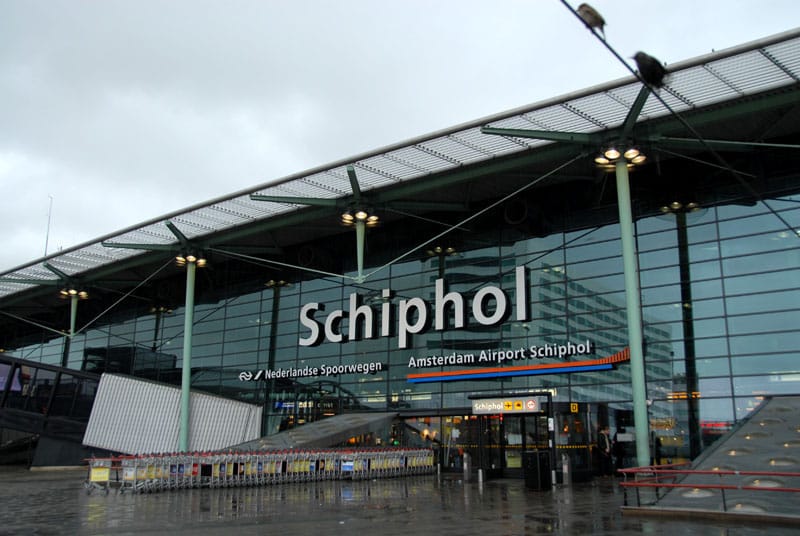
Amsterdam Schiphol Airport (AMS) is one of Europe’s more accessible major hubs. Wheelchair assistance at Schiphol is provided free of charge by AUAS (Airport User Assistance Service) upon request at least 48 hours in advance through your airline at the time of booking. The terminal is single-level in its main areas with lifts between departures and arrivals. Accessible toilets are located throughout all piers.
From Schiphol to Amsterdam city centre, the accessible train service (NS Intercity Direct or NS Intercity) runs every 15 minutes to Amsterdam Centraal, taking approximately 17 minutes, and costs €4.40. Advance notice is required for boarding assistance on NS trains contact NS Accessibility Helpdesk: +31 (0)30 751 5151 or via nsinternational.com, available Monday–Friday 7:00–22:00 and weekends 8:00–20:00. Accessible taxi transfer from Schiphol is also available via Connexxion Taxi (the official Schiphol taxi service): book at the Connexxion desk in Arrivals, and specify that you require a wheelchair-accessible vehicle. Verify current availability and pricing directly at connexxion.nl.
By Train/Rail
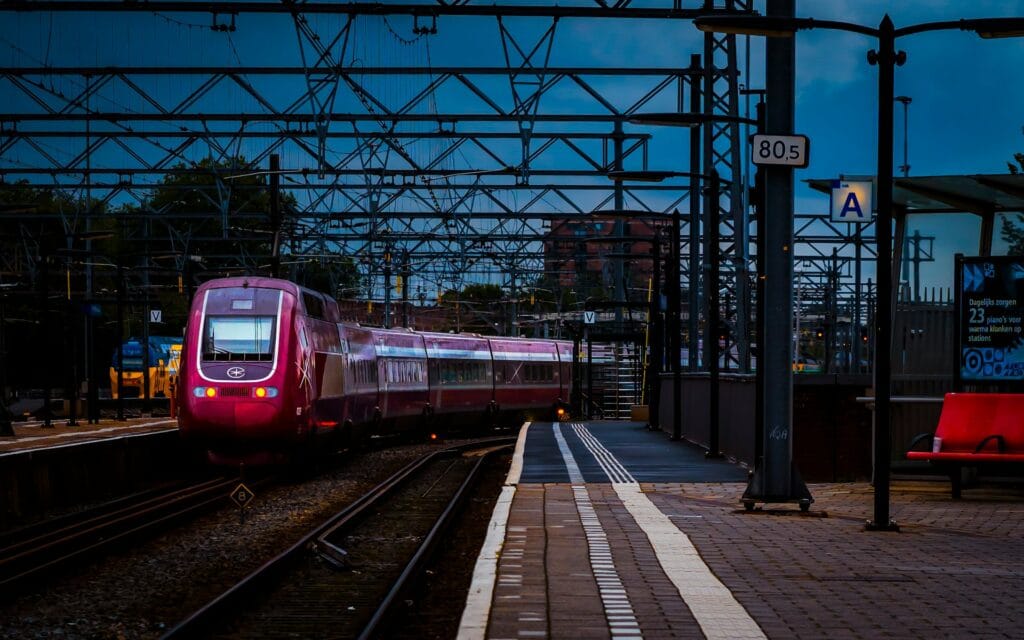
Amsterdam Centraal is the city’s main rail hub and is fully step-free with lifts to all platforms. For travellers arriving on international Eurostar, Thalys, or Intercity Direct services, NS (Dutch Railways) provides a Passenger Assistance Service. Book at least 1 hour in advance for same-day assistance, or 24 hours ahead for guaranteed support. Book via NS Accessibility Helpdesk: +31 (0)30 751 5151. Staff can assist with boarding/alighting using a portable boarding ramp where required. Verify current lead times directly with NS before travel as staffing levels at specific platforms can vary.
By Car/Road
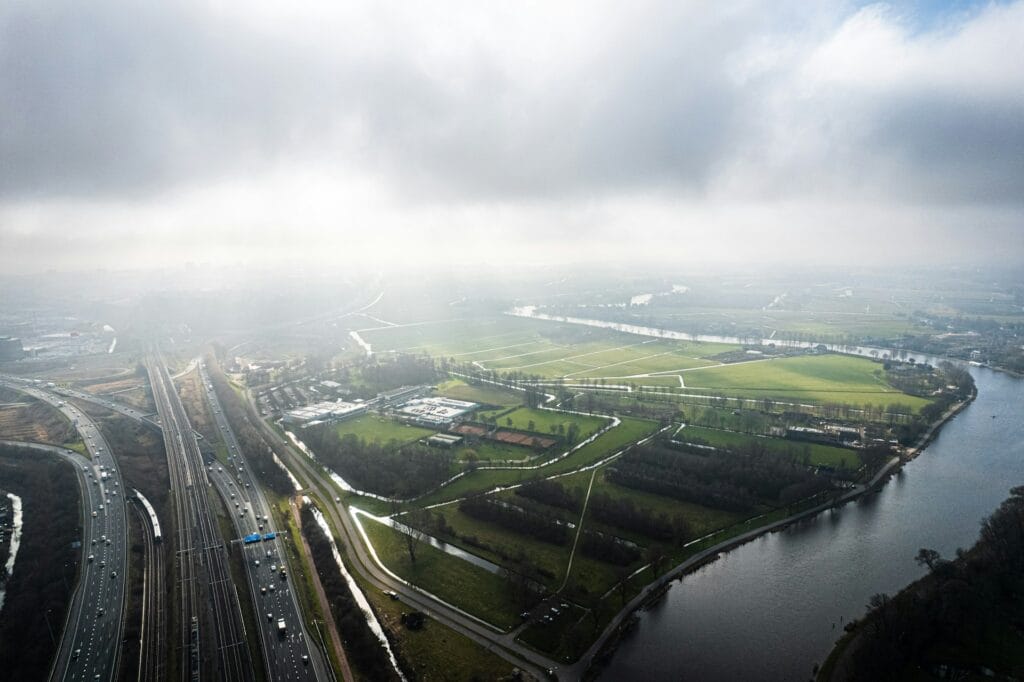
Amsterdam is located on the A10 ring road with clear signage to central parking garages. Holders of an EU Blue Badge (or the equivalent from non-EU countries) may park in designated accessible spaces free of charge. Non-EU visitors with a national disability parking permit should check permit reciprocity at rdw.nl before travel — not all non-EU permits are automatically valid in the Netherlands.
Adapted vehicle rental is available from Europcar Netherlands (select locations offer hand-control vehicles, request at booking via europcar.nl) and Hertz Netherlands (hertz.nl). Specify your adaptation requirements at the time of reservation, not on collection day. Several central Amsterdam car parks have designated accessible spaces. The Q-Park Byzantium (Tesselschadestraat 1) and Q-Park Museumplein (Van Baerlestraat 33b) are the most conveniently located for the museum district. Verify current pricing and accessibility at q-park.nl.
Getting Around Amsterdam: Accessible Transport
Metro/Subway
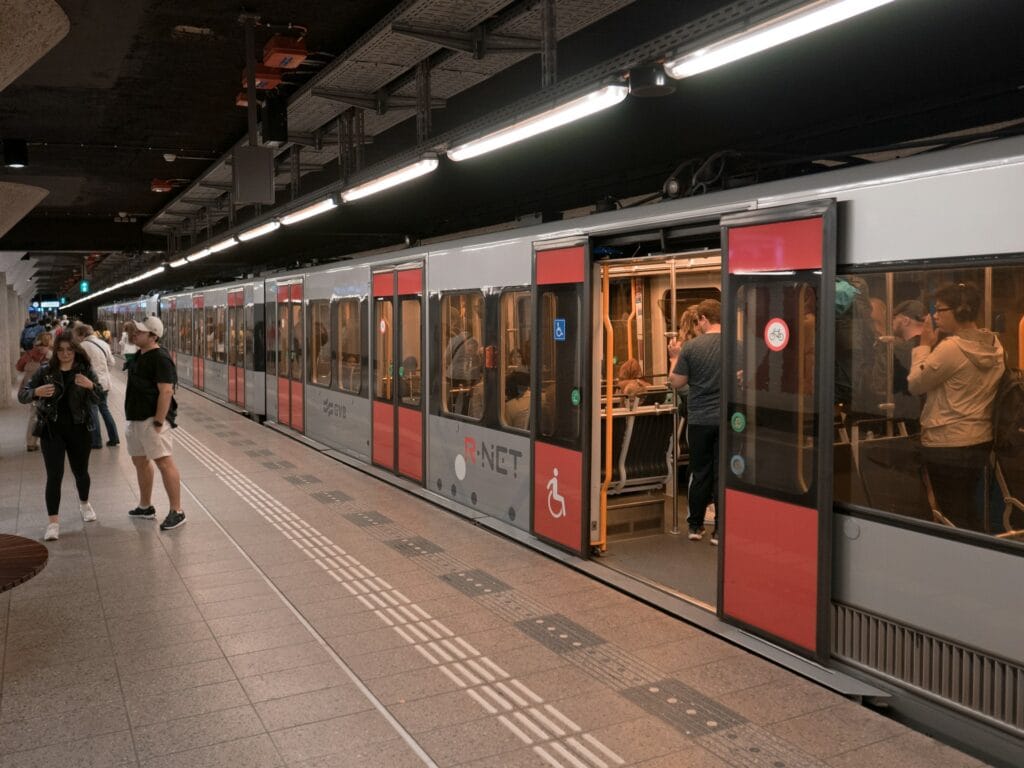
All GVB metro stations in Amsterdam are wheelchair accessible with lifts, ramps, and wide fare gates. Metro carriages have designated wheelchair spaces. The newest M5 metro line carriages have the shortest platform-to-carriage gap of any GVB route, making them the most suitable option for unassisted boarding. Major stations, including Amsterdam Centraal, Bijlmer ArenA, and Sloterdijk, have onsite staff who can assist with boarding gaps. Smaller stations are not always staffed if you require assistance at a specific station, call GVB in advance on 0900 8011 (Mon–Fri 07:00–21:00, weekends 08:00–18:00). Lifts do experience occasional outages: check real-time lift status via the GVB Travel App before departure.
Bus Network
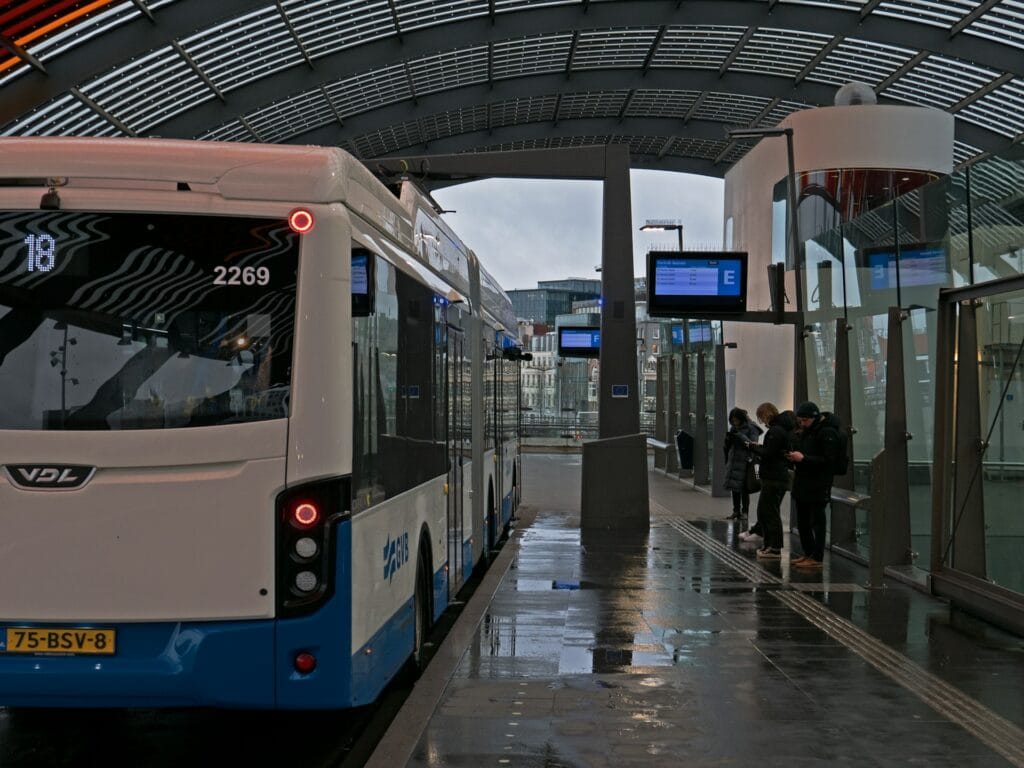
Every GVB bus in Amsterdam is low-floor with a fold-out boarding ramp and a designated wheelchair space in the middle of the vehicle. Maximum permitted wheelchair dimensions on buses: 170 cm long × 70 cm wide × 109 cm tall. Note: electric mobility scooters are not permitted on buses. Accessible buses are identifiable by the wheelchair icon displayed at the front of the vehicle and at bus stops with accessibility markers. Identify accessible routes in advance using the GVB Travel App’s “Accessible Journey” filter.
Trams
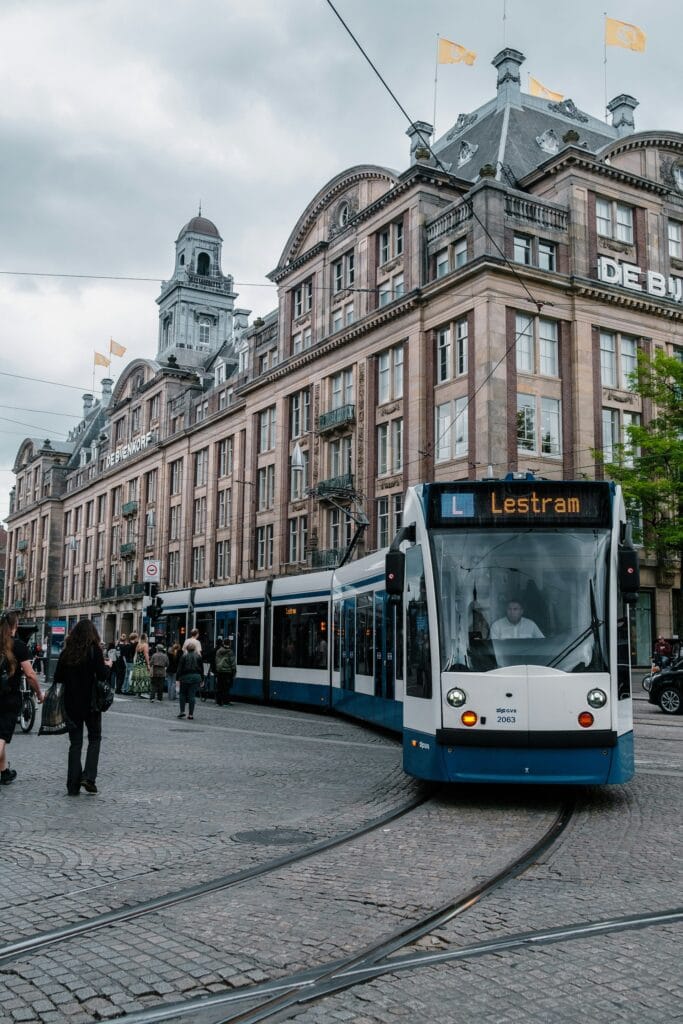
The tram network is Amsterdam’s most variable accessibility experience. Newer tram models (Škoda 15T and Citadis variants now operating on several central routes) feature wide, level-entry doors with fold-out ramps provided by conductors, clearly marked with a wheelchair icon. Older models still in service have steps, with only a single low-floor entry point in the middle of the vehicle and no ramp. Many tram stops have levelled platforms, but GVB accessibility documentation does not specify gap widths a limitation particularly relevant for power wheelchair users. Practical guidance from Sage Traveling: manual wheelchair users should choose accommodation near a tram line for easiest city centre access; power wheelchair users and scooter users should stay centrally enough to reach key attractions without tram dependency. Confirm the current fleet composition on your planned routes directly with GVB before travel.
Taxis & Ride-Share
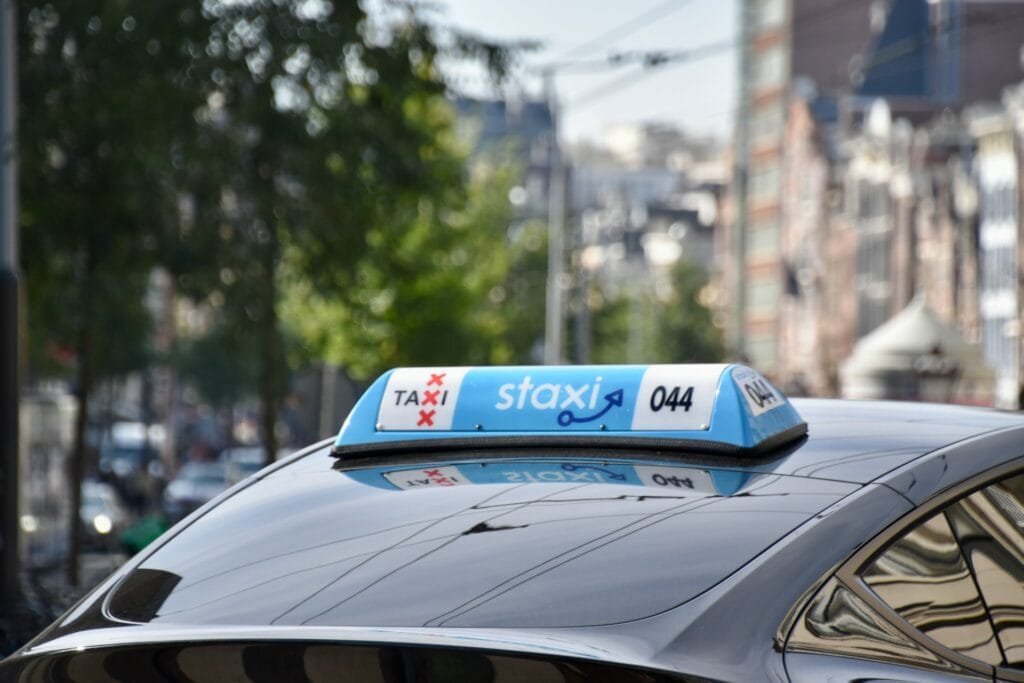
Wheelchair-accessible taxis are available in Amsterdam through TCA Taxicentrale Amsterdam, the city’s largest accessible taxi operator. Book on 020 777 7777 or via tcataxi.nl. Accessible vehicles (with ramp or lift, space for wheelchair) should be specifically requested at time of booking. Uber operates in Amsterdam, and its app offers a wheelchair-accessible vehicle filter (availability varies; book at least 30 minutes ahead for accessible options). Approximate cost: €15–€30 for a central Amsterdam journey, depending on vehicle type and distance.
Accessible Tours
Able Amsterdam (ableamsterdam.com) is the city’s specialist accessible travel service, offering private guided tours by wheelchair users for wheelchair users, along with mobility equipment rental and personalised accessible itineraries. Contact via their website for current tour availability and pricing. The City Sightseeing Amsterdam hop-on hop-off bus (city-sightseeing.com) operates accessible coaches on its Amsterdam route — contact them directly to confirm current accessible vehicle availability on your travel dates.
Top Accessible Attractions & Experiences
01. Rijksmuseum
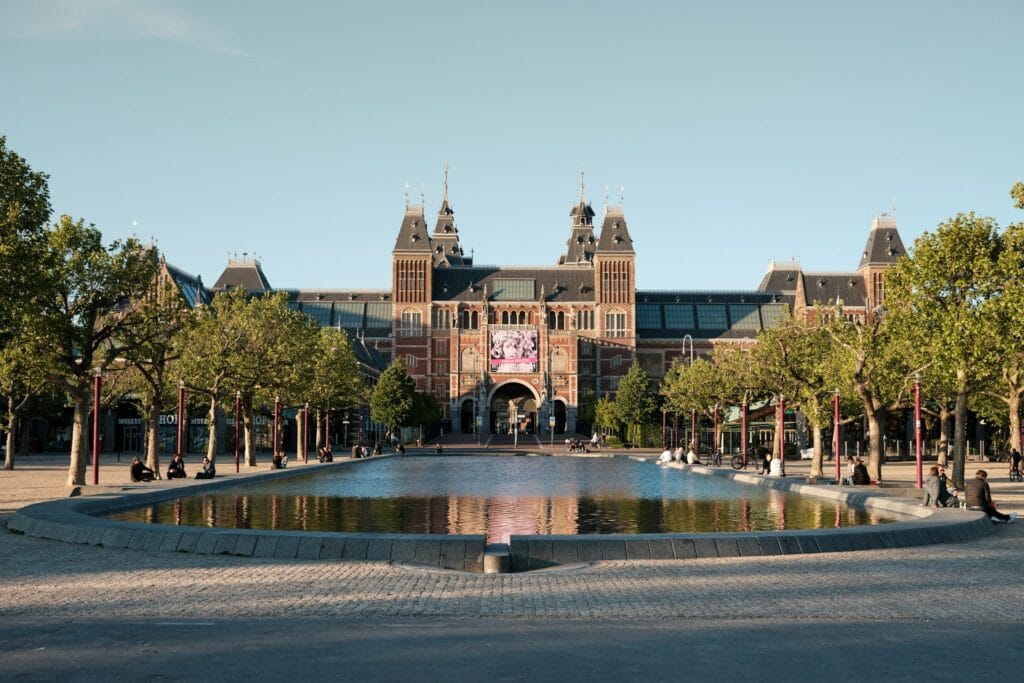
The Rijksmuseum (Museumstraat 1, 1071 XX Amsterdam) is the Netherlands’ national museum and one of the most accessibility-forward cultural institutions in Europe. The building provides lifts to all floors, ramps, dedicated wheelchair lanes through the galleries, accessible toilets on every floor, and a ‘Changing Places’ facility with a full-size hoist, one of very few in Amsterdam. An accessibility app is available for independent navigation through the collections. Free companion tickets are available for visitors with disabilities (advance reservation required call +31 (0)20 674 7000 or book online at rijksmuseum.nl/en). Wheelchairs are available on loan at the information desk. The outdoor garden is fully accessible. What is not accessible: a handful of the smallest storage vault display areas accessed via narrow historic corridors staff can advise on alternatives. Entry: €22.50 adult (2025 price — verify at rijksmuseum.nl). Book tickets well in advance: queues without pre-booking can run 1–2 hours.
02. Van Gogh Museum
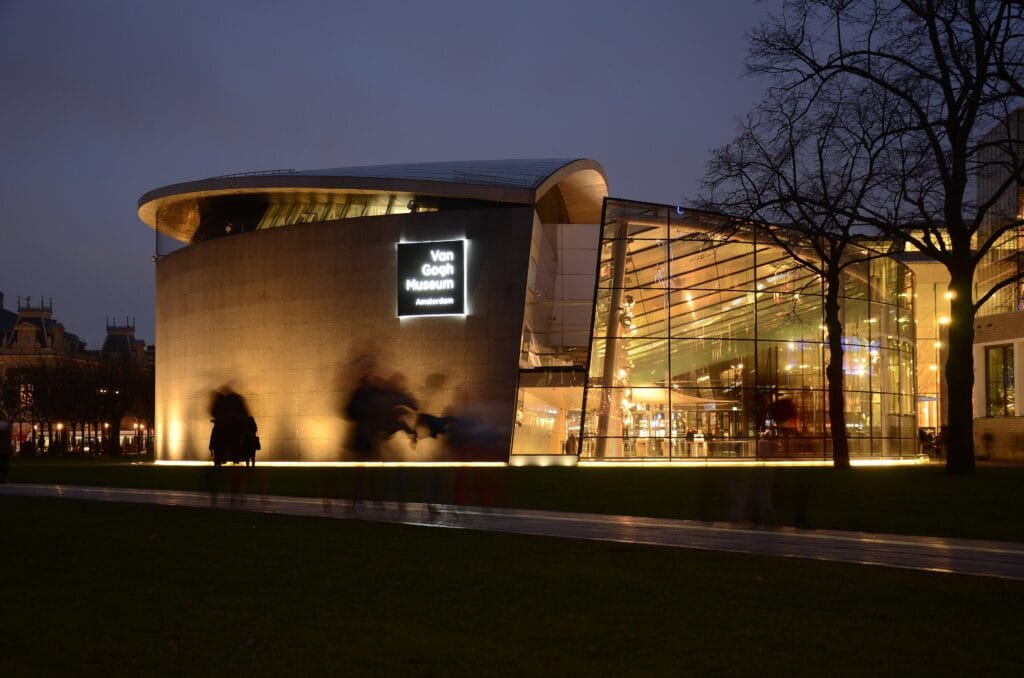
The Van Gogh Museum (Museumplein 6, 1071 DJ Amsterdam) offers a fully accessible experience across its main building. Facilities include a priority accessible entrance for visitors with disabilities, lifts to all gallery floors, accessible toilets, accessible parking adjacent to Museumplein, and a free multimedia guide for visitors with visual impairments. Free companion tickets are available for request at the time of online ticket purchase. What is not accessible: the Rietveld annexe building has some areas accessible only via narrow historic passages. Confirm specific gallery access when booking. Entry: €22 adult (2025 price — verify at vangoghmuseum.nl). Pre-book online; this is one of Amsterdam’s most popular museums.
03. Stedelijk Museum
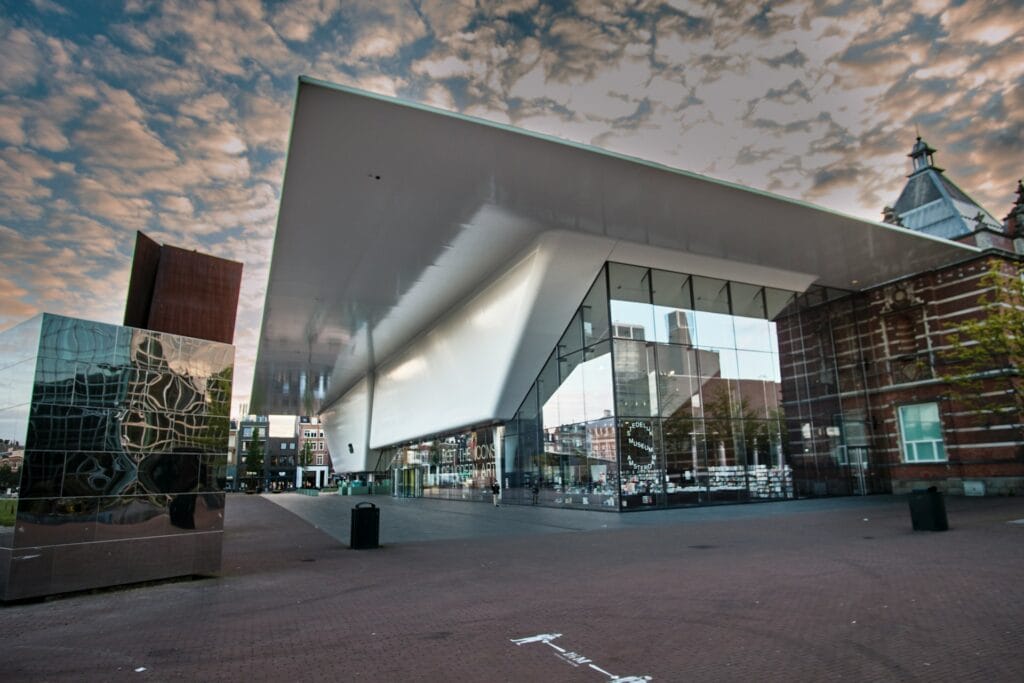
The Stedelijk Museum (Museumplein 10, 1071 DJ Amsterdam) houses Amsterdam’s leading collection of modern and contemporary art and is fully step-free throughout. Platform lifts operate independently no staff assistance required to use them. Accessible parking is available at Paulus Potterstraat 13, directly adjacent. Manual wheelchairs are available on loan at the information desk call ahead to reserve: +31 (0)20 573 2911. What is not accessible: the museum’s rooftop installation changes periodically, verify accessibility of current exhibitions when booking. Entry: €20 adult (verify current pricing at stedelijk.nl/en).
04. Eye Filmmuseum
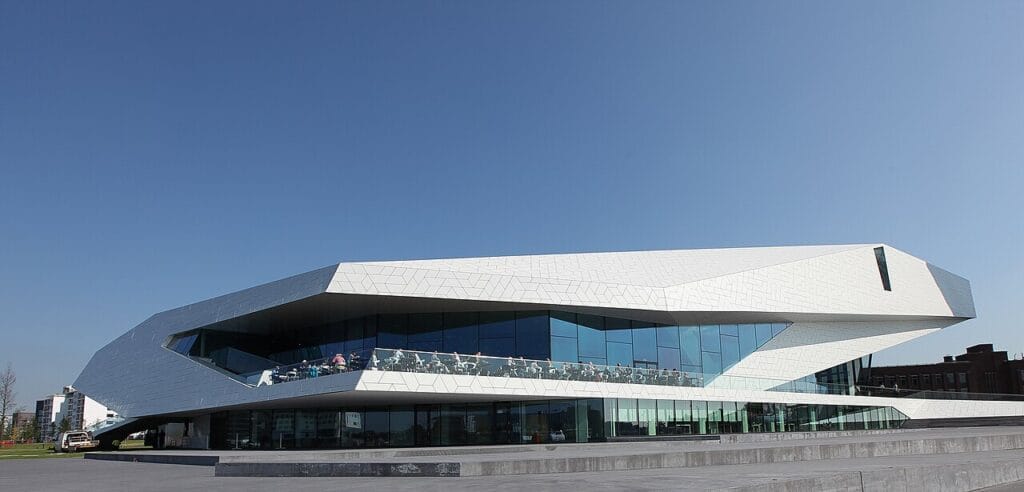
The Eye Filmmuseum (IJpromenade 1, 1031 KK Amsterdam, accessible via free GVB ferry from Centraal Station) is fully step-free with lifts to all floors and dedicated wheelchair spaces (2 per screening) in all theatres. Manual wheelchairs and walkers are available on loan. Important access note: the accessible entrance is via the staff entrance ring the bell on arrival. The EYE café (THT) has a step-free outdoor terrace and an accessible toilet with grab rails. The museum runs dedicated NGT (Sign Language) tours on the 3rd Sunday of each month contact +31 (0)20 589 1400 to confirm dates. Entry: €13.50 adult; cinema screenings ticketed separately (verify at eyefilm.nl/en).
05. NEMO Science Museum
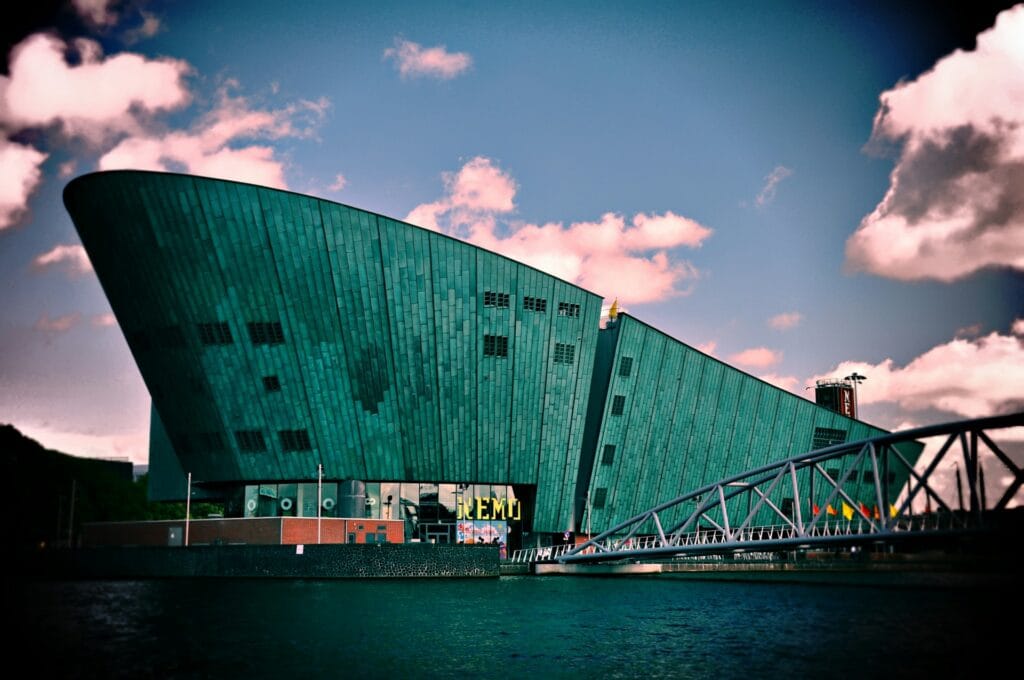
NEMO Science Museum (Oosterdok 2, 1011 VX Amsterdam) is fully accessible for wheelchair users, mobility scooter users, and visitors using walkers. Step-free access throughout the building with lifts to all floors. Free companion entry for visitors with disabilities. Important limitation: the rooftop plaza, one of the museum’s signature features, with panoramic city views is not accessible to mobility aid users. Entry: €17.50 adult (verify at nemosciencemuseum.nl/en). Pre-book to avoid queues.
06. Resistance Museum (Verzetsmuseum)
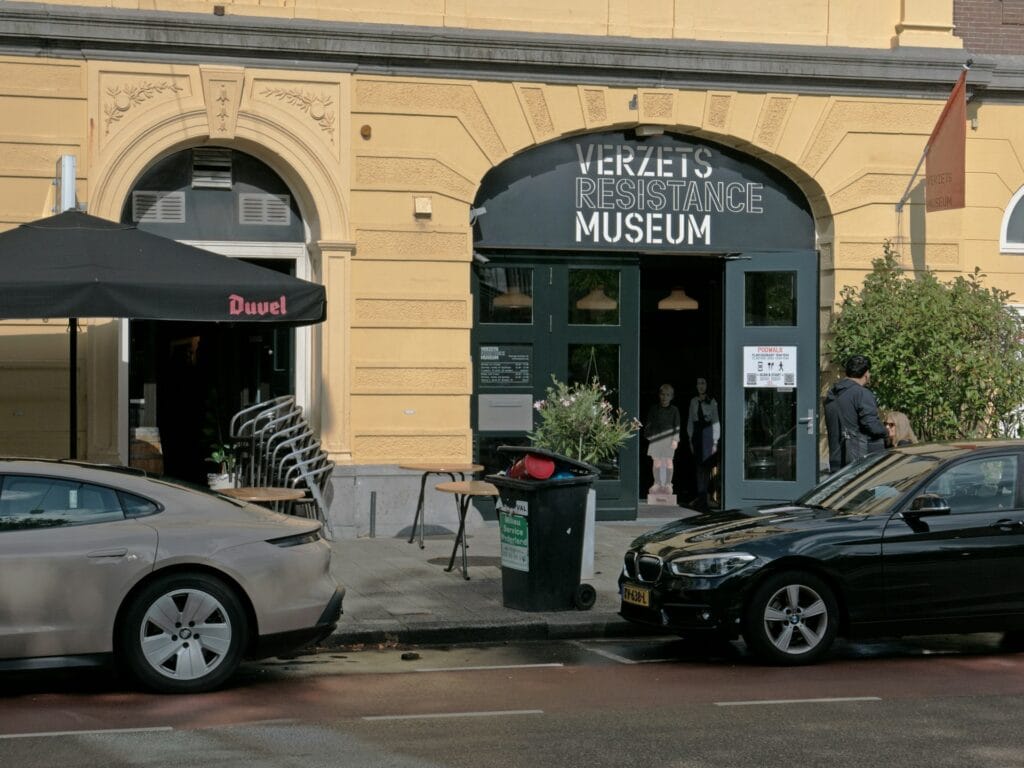
The Verzetsmuseum (Plantage Kerklaan 61, 1018 CX Amsterdam) is the most physically accessible museum of its kind in Amsterdam the entire permanent exhibition is on a single ground floor with no steps. Audio guides are available in Dutch and English; floor marking systems for visitors with visual impairments are installed throughout. What is not accessible: the museum’s temporary exhibitions on the upper floor are accessible via a lift confirm current lift status when booking. Entry: €14 adult (verify at verzetsmuseum.org/en).
07. A Note on Anne Frank House
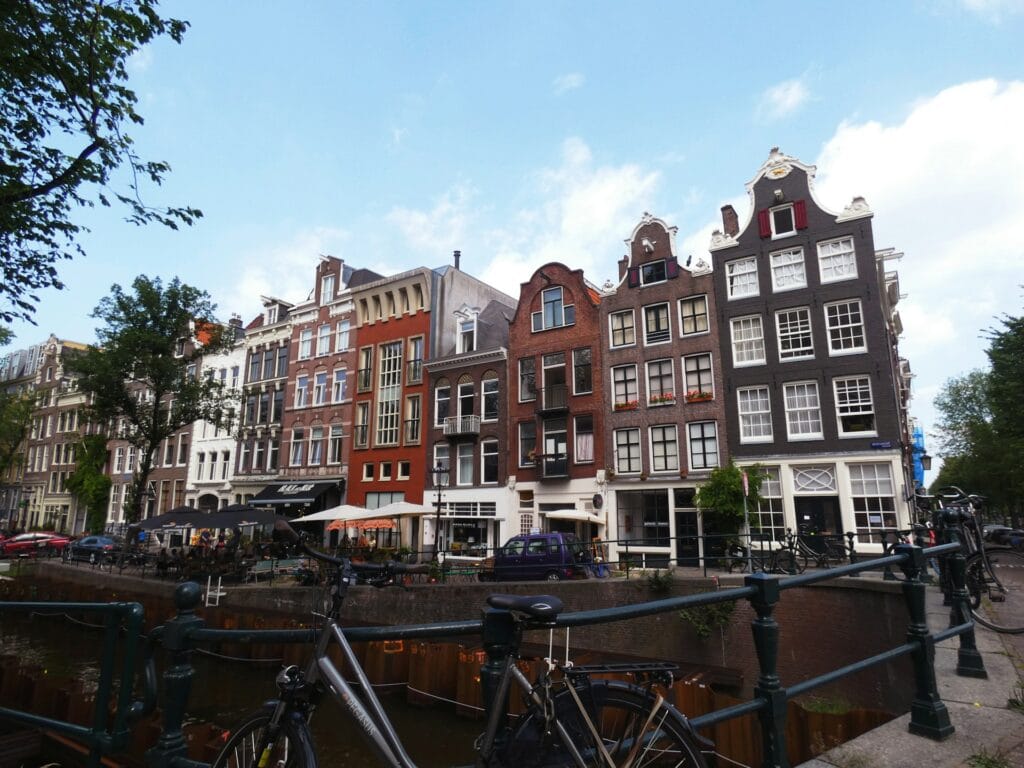
The Anne Frank House (Westermarkt 20, 1016 GV Amsterdam) has limited wheelchair accessibility and this must be stated clearly before booking. The original Secret Annex, the hiding place itself, is only accessible via steep historic staircases and is not accessible to wheelchair users or those with reduced mobility. The modern wing of the museum is largely accessible via a staff-operated lift, but Anne Frank’s original diary is displayed down three steps in the modern section and is not currently accessible to wheelchair users. A 25-minute Virtual Reality tour of the Secret Annex is available as an alternative for visitors who cannot access the original spaces. An accessible toilet with grab rails is located on the lower floors, accessible via the same staff-operated lift. Tickets must be booked months in advance at annefrank.org. Verify current accessibility arrangements directly with the Anne Frank House before booking: +31 (0)20 556 7105 or accessibility@annefrank.org. The museum’s own accessibility page is at annefrank.org/en/museum/accessibility-museum.
Where to Stay:
01. Accessible Accommodation Options
Accommodation choice in Amsterdam is directly linked to accessibility outcomes. The city’s historic canal houses are almost universally inaccessible narrow staircases, no lifts, steep thresholds. Chain hotels and modern properties are your reliable options.
Premium (€250+ per night)
What to look for: Roll-in shower (confirm minimum 90 cm × 90 cm floor space), grab rails on both sides of toilet, doorway widths ≥80 cm (ideally 90 cm), lowered bed (or adjustable height), visual fire alarm, and accessible ground-floor or lift-accessible room.
The Waldorf Astoria Amsterdam (Herengracht 542–556) offers confirmed accessible rooms and is located near Waterlooplein metro station. The Kimpton De Witt Amsterdam (Nieuwezijds Voorburgwal 5) is centrally located and offers accessible room options. To verify: Call the hotel directly and ask specifically: “Does the accessible room have a roll-in shower with no lip? What is the doorway width to the bathroom?” Do not rely solely on the hotel’s website accessibility descriptions.
Mid-Range (€150–€250 per night)
The DoubleTree by Hilton Amsterdam Centraal Station (Oosterdoksstraat 4) is the most strategically located accessible hotel in Amsterdam for transport users — directly above Amsterdam Centraal with step-free access to GVB metro, buses, and Schiphol airport trains. The Radisson Blu Hotel Amsterdam (Rusland 17) offers confirmed accessible rooms near Nieuwmarkt metro station. The Park Plaza Victoria Amsterdam (Damrak 1-5) is another confirmed option near Centraal with lift access throughout. Sage Travelling’s verified accessible hotel listing (sagetraveling.com/wheelchair-accessible-hotels-amsterdam) cross-references these properties with specific room measurements use it to compare options before booking.
Budget (under €150 per night)
Budget-tier accessible accommodation in Amsterdam is genuinely limited, as the historic building stock makes accessible conversion difficult and expensive. The most reliable approach is to search international booking platforms (Booking.com, Hotels.com) with the “wheelchair accessible” filter enabled, then call the property directly before confirming. Ask: “Does the accessible room have a roll-in shower? Is there a step at the room entrance? What floor is the room on, and is there a lift?” If a hotel cannot answer these questions specifically, treat the accessibility claim as unverified.
02. Dining & Accessibility
Finding accessible restaurants in Amsterdam requires some planning many popular cafés and restaurants occupy historic canal houses or have narrow, step-filled entrances. These four verified step-free options cover different cuisine styles and neighbourhoods.
01. THT (IJ-kade, Amsterdam Noord): A waterfront restaurant with step-free access from the IJ embankment, low tables, a spacious accessible toilet with grab rails, and a fully accessible outdoor terrace. Reached by the free GVB ferry from Centraal Station (under 5 minutes). Note: 1 cm threshold at each entrance. Varied international menu.
02. EYE Filmmuseum Café (IJpromenade 1): The in-museum café at EYE is step-free, has low tables, and accessible toilets with grab rails. An excellent choice when combining with a museum visit no need to roll elsewhere for lunch. Open during museum hours.
03. Dignita (multiple locations): A social enterprise café-restaurant with confirmed step-free access at several Amsterdam locations. Known for healthy international cuisine. Check herstelling.com/dignita for current locations and accessibility details.
04. Mama Makan (Spuistraat 294): Indonesian cuisine in a central location confirmed by Disabled Accessible Travel as wheelchair accessible. Ground-floor seating available. Call ahead on +31 (0)20 623 0848 to confirm current layout; restaurant configurations can change.
05. Strandzuid (Europaboulevard 141, Amsterdam-Zuid): Waterfront restaurant on the Amstelkanaal with step-free access, accessible outdoor terrace, accessible toilet with grab rails, and a mobile payment terminal. Note: 2 cm threshold at entrance; manoeuvring space can be tight when busy. The adjacent beach area is sand-surfaced and not accessible to wheels.
07. Finding accessible restaurants: Able Amsterdam’s website (ableamsterdam.com) maintains a regularly updated accessible restaurant database with specific access details use it as your primary on-the-ground restaurant planning tool. The TheFork platform (thefork.com) allows filtering by wheelchair accessibility in Amsterdam, though listings should be verified directly before booking.
08. Allergy and dietary communication: Restaurant staff in Amsterdam generally speak excellent English. For complex dietary needs, carry a written card in Dutch — the Dutch word for allergy is allergie. Apps such as AllergyTranslation.com can generate multi-language allergy alert cards.
Practical Tips: Amsterdam Accessibility Essentials
- Use OVpay for all GVB transport. Tap in and out with a contactless debit card, credit card, smartphone, or smartwatch at any GVB fare gate or reader — no need to queue for or carry an OV-chipkaart. This works across metro, bus, tram, and ferry.
- Download the GVB Travel App before arrival. Use the “Accessible Journey” filter for step-free route planning and the “Virtual Stop Assistance” feature to score stops against your personal accessibility settings. The app shows real-time lift outages — check it before every journey.
- Book Rijksmuseum and Van Gogh Museum tickets 4–8 weeks ahead. Without pre-booked tickets, queues can run 1–2 hours. Accessible entry lanes exist — but they still require pre-booked tickets to use.
- Avoid Dam Square and the Jordaan if cobblestones are a significant challenge. Stick to the Kalverstraat, Leidsestraat (main shopping streets), and the Museumplein area for the smoothest surface conditions. Power wheelchair users should plan shorter distances per charge in cobblestone zones.
- Never use Amsterdam’s red bike lanes (fietspaden) as a rolling shortcut. Cyclists move fast and give minimal warning. Cross bike lanes only at designated crossing points, and pause to check both directions before crossing.
- Call ahead for accessible canal boats. Blue Boat Company’s accessible boats do not depart on a fixed timetable — call +31 (0)20 679 1370 the day before or the morning of your planned cruise to confirm an accessible boat is available.
- Request free companion tickets at museum ticket desks. Always carry proof of disability. Multiple Amsterdam museums (Rijksmuseum, Van Gogh Museum, NEMO, Eye Filmmuseum) offer free or discounted entry for companions. This is rarely automated online and often requires requesting in person.
- Use the Able Amsterdam website (ableamsterdam.com) as your local reference. It covers accessible restaurant listings, mobility equipment rental, neighbourhood accessibility assessments, and specific venue access reviews written by wheelchair users.
- The accessible toilet at the Anne Frank House requires staff assistance. A staff member must operate the lift to reach the accessible toilet and accompany you back factor this into your visit timing and alert staff on arrival if you may need it.
- For hearing-impaired travellers, GVB trams and buses display visual route and stop information on digital boards inside vehicles. Major stations have visual departure boards. Eye Filmmuseum offers NGT (sign language) tour dates — book via +31 (0)20 589 1400.
Frequently Asked Questions
Amsterdam is one of Europe’s more accessible cities for wheelchair users, but it requires careful planning. The city’s flat terrain is a major advantage, and all GVB metro stations and buses are step-free. The key challenges are cobblestone streets in historic neighbourhoods (Jordaan, Dam Square, Red Light District), steep arched canal bridges on side streets, and an inconsistent tram fleet where older models still have steps. With pre-planned routes using the GVB Travel App and hotel choice in a central neighbourhood, most wheelchair users report a manageable and rewarding visit. Verify specific conditions at your planned venues before travel as infrastructure continues to improve.
April–May and September–October offer the best combination of manageable weather, fewer peak-season crowds at museums, and shorter queues. Amsterdam’s summer (July–August) is the busiest period popular museums can be very crowded, making navigation harder in a wheelchair. Winter (November–February) brings quieter attractions but wetter pavements, which can make cobblestones more challenging. Spring is widely considered the optimal balance: mild temperatures, manageable visitor numbers, and Amsterdam’s iconic tulip season at nearby Keukenhof (which has paved accessible paths throughout its main garden areas).
Advance booking is strongly recommended for three things specifically: accessible canal boat cruises (Blue Boat Company requires a same-day or day-before call to confirm an accessible boat; Sage Traveling accessible tour boats have limited dedicated wheelchair spaces), museum tickets for the Rijksmuseum and Van Gogh Museum (queues of 1–2 hours without pre-booked tickets are common), and rail boarding assistance on NS trains from Schiphol (minimum 1-hour notice for same-day assistance, 24 hours recommended). For GVB metro, buses, and ferries, no advance booking is required.
EU Blue Badge holders can use their permit throughout the Netherlands for free accessible parking in designated spaces. Non-EU permit holders should check reciprocity at rdw.nl before travel not all non-EU permits are automatically recognised. The Netherlands’ parking permit for disabled visitors is the gehandicaptenparkeerkaart (GPK). In most cases, foreign visitors with an EU Blue Badge equivalent can park in spaces marked with the international wheelchair symbol. If in doubt, contact the RDW (Netherlands Vehicle Authority) at +31 (0)800 0900 or via rdw.nl.
The Netherlands expanded its disability equality law in 2017 to cover access to goods, services, and digital channels — businesses are required to make reasonable accommodations. This is broadly comparable to EU accessibility standards. While enforcement and compliance levels vary between individual venues and businesses, it does mean you have a legal basis to request reasonable assistance at hotels, restaurants, and attractions. The law aligns with the UN Convention on the Rights of Persons with Disabilities, which the Netherlands ratified in 2016.
It depends on the tram model. Newer GVB trams (including Škoda 15T variants operating on several central lines) have wide, level-entry doors with fold-out ramps deployed by the conductor, and are marked with a wheelchair icon on the door. Older trams still in service have steps, with only a single low-floor middle-door entry and no ramp. Before relying on a specific tram line, check with GVB (0900 8011) which vehicle type currently operates that route. The GVB Travel App also indicates accessible routing. Sage Traveling’s advice: manual wheelchair users should prioritise hotel locations near tram lines; power wheelchair and scooter users should stay centrally enough to avoid tram dependency altogether.
The most accessible and cost-effective option is the direct NS train from Schiphol Airport Station (inside the terminal, step-free access via lifts from the arrivals hall) to Amsterdam Centraal — approximately 17 minutes, €4.40, running every 10–15 minutes. Book boarding assistance with NS Accessibility Helpdesk (+31 (0)30 751 5151) at least 1 hour before departure (24 hours recommended). Wheelchair-accessible taxi transfer is available via Connexxion Taxi from the Arrivals hall — book at the Connexxion desk and specify that you require a wheelchair-adapted vehicle. Verify current pricing directly at connexxion.nl.
GVB ferries from Centraal Station to Amsterdam Noord are free, step-free, and accessible to all mobility aids including scooters and power wheelchairs — wide, flat ramps make boarding straightforward with no assistance required. The Canal Bus (hop-on hop-off canal service operated by private operators) has variable accessibility — verify with the specific operator before booking. The dedicated wheelchair-accessible canal tour boats from Blue Boat Company, Sage Traveling, and Wheelchair Boat NL are the most reliable option for a canal experience — see the Canal Tours section above for booking procedures.
Yes, but with significant limitations. The original Secret Annex — the hiding place itself — is only accessible via steep historic staircases and is not accessible to wheelchair users or visitors with reduced mobility. A 25-minute Virtual Reality tour of the Secret Annex is available as an alternative. The modern wing of the museum is largely accessible via a staff-operated lift. Anne Frank’s original diary, despite being in the modern section, is currently displayed down three steps and is not accessible to wheelchair users. An accessible toilet with grab rails is available via staff-operated lift. Verify current accessibility directly with the Anne Frank House before booking: +31 (0)20 556 7105 or annefrank.org/en/museum/accessibility-museum.
Never rely solely on a hotel website’s “wheelchair accessible” tag — standards vary enormously. Ask these specific questions when calling to confirm: (1) Does the accessible room have a roll-in shower with no lip or threshold? (2) What is the width of the bathroom doorway in centimetres? (3) Is the toilet flanked by grab rails on both sides? (4) What is the bed height — is it adjustable? (5) Is there a step at the room entrance? (6) Is the accessible room near the lift, and what is the lift door width? Properties with chain hotel standards (Hilton, Marriott, Radisson) are generally the most consistent in providing accurate answers to these questions. Sage Traveling’s verified Amsterdam hotel listings (sagetraveling.com/wheelchair-accessible-hotels-amsterdam) include room-specific measurements gathered through their own verification process.
Research & Verification Note
How this guide was compiled: This guide draws on official iamsterdam.com accessibility pages (last updated October 2024 for museums, 2023–2024 for transport), wheelieguides.com Amsterdam accessibility guide (March 2026), sagetraveling.com Amsterdam sections (April–September 2025), ableamsterdam.com venue reviews (September 2025 and earlier), and direct source verification via the Anne Frank House’s official accessibility page (annefrank.org). The Anne Frank House accessibility section was verified against both the official museum website and Able Amsterdam’s first-person wheelchair review.
Verify before travel — critical items:
- GVB tram fleet: Confirm the current ratio of accessible (new) vs. step-entry (older) tram models on your planned routes directly with GVB on 0900 8011. Fleet composition continues to change.
- Blue Boat Company accessible boats: The ableamsterdam.com source is from 2019. A more recent source (canal-cruise-amsterdam.com, March 2026) states that “nearly the entire fleet” is now accessible, confirming current fleet numbers and 2026 pricing directly at blueboat.nl or by calling +31 (0)20 679 1370.
- Wheelchair Boat NL: Pricing and group capacity were not confirmed in this research pass verify directly at wheelchairboat.nl.
- All museum entry prices: Prices cited are 2025 figures from operator websites. Verify current 2026 pricing at each museum’s official site before publishing.
- Hotel accessibility specifications: All hotel room details (roll-in shower availability, doorway widths) should be confirmed by calling each property directly or via Sage Traveling’s verified listings.
Travellers: Verify critical details, lift availability, room dimensions, step counts, and accessible boat schedules directly with venues before travel. Conditions change and this guide, however thoroughly researched, cannot substitute for direct confirmation.
Sources Used:
- I amsterdam — Public Transport Accessibility — GVB metro, bus, tram, ferry accessibility data
- I amsterdam — Wheelchair Accessible Museums — Museum accessibility specifications
- Wheelie Guides Amsterdam — Streets, navigation, disability law (March 2026)
- Sage Traveling — Amsterdam Accessible Travel Tips — Practical tips, hotel neighbourhood guidance (April 2025)
- Sage Traveling — Best Amsterdam Accessible Canal Tour — Canal tour section (September 2025)
- Sage Traveling — Accessible Amsterdam Hotels — Hotel listings (August 2025)
- Able Amsterdam — Blue Boat Canal Cruise — Blue Boat accessibility detail (2019 — verify before use)
- Able Amsterdam — Anne Frank House Accessibility — First-person wheelchair review (2025)
- Able Amsterdam — Wheelchair-Friendly Waterfront Restaurants — Restaurant accessibility (September 2025)
- Anne Frank House — Accessibility — Official accessibility statement
- Canal Cruise Amsterdam — Blue Boat — Updated fleet accessibility note (March 2026)
- Disabled Accessible Travel — Amsterdam Restaurants — Restaurant listings
- Wheelchair Travel — Blue Boat Review — Canal cruise review
More Accessible Travel Guides: