
Important Note (Read Before You Book)
This guide reflects trends and information available as of March 2026. Travel advisories, event schedules, air routes, and prices can change quickly. Always double‑check current government travel advisories (US, UK, Canada, EU) and local tourism board updates before you book flights or tours.
2026 is the year of the unexpected.
While traditional travel guides highlight the same famous landmarks, an entirely different conversation is brewing among travelers: Where are the truly trending spots? What is actually generating buzz? Where will everyone wish they had gone before the crowds arrived?
This guide reveals 15 destinations capturing real search interest, sparking genuine online conversation, and positioning themselves as the must‑visit places of 2026; from Barcelona’s long‑awaited Sagrada Familia milestone to Mongolia’s nomadic frontier to the world’s first zero‑waste island.
These are not just beautiful places. They are story‑worthy moments, the locations that will show up in Reels and TikToks, spark conversations at dinner tables, and define the travel year of 2026.
The 15 Trending Destinations
1. Barcelona, Spain – Sagrada Familia’s Big 2026 Moment
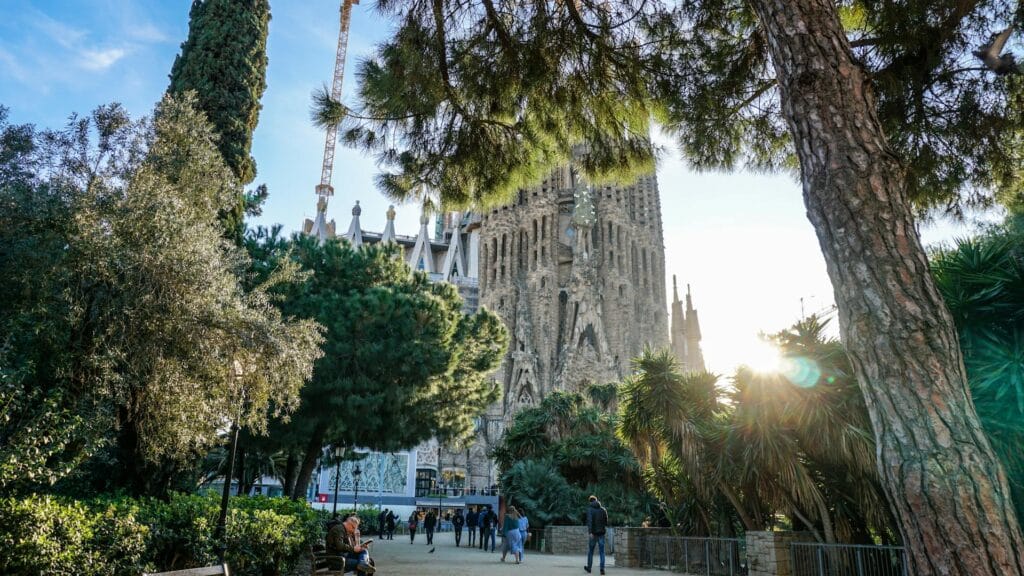
After 144 years under construction, Barcelona’s Sagrada Familia is scheduled to reach a historic milestone in 2026, with the final Tower of Jesus Christ planned for completion exactly 100 years after Antoni Gaudí’s death.
The viral hook: This is arguably the biggest cultural architecture event of 2026. A UNESCO World Heritage basilica, a 172.5‑metre central tower, a century‑in‑the‑making story, and global media coverage: all converging in one city.
Why it’s trending now:
- Architecture and design communities are predicting massive coverage once completion dates and ceremonies are formally announced.
- TikTok and Instagram are already full of “before completion” content — 2026 is the “I was there when…” year.
- Barcelona itself remains one of Europe’s powerhouse city breaks: beach + food + culture in one stop.
What to do:
- Visit Sagrada Familia (timed tickets, ideally early morning or late afternoon).
- Explore Gaudí’s other works: Park Güell, Casa Batlló, Casa Milà.
- Walk the Gothic Quarter and El Born.
- Tapas crawl around La Boqueria and Sant Antoni.
- Beach time in Barceloneta.
Best time to visit:
- June–September for guaranteed warmth (crowded and hot).
- October–November for ideal weather and lower hotel prices.
Weather: Around 15–28°C (59–82°F) over the year.
Budget: €100–200 per day for mid‑range accommodation, food, and activities.
Quick tip: Book Sagrada Familia tickets online at least 3 months ahead. Demand for any 2026 visit will spike further as the milestone approaches. Shoulder seasons (April–May, October–November) balance atmosphere and crowds.
2. Albanian Riviera, Albania – “New Greece” for Gen Z
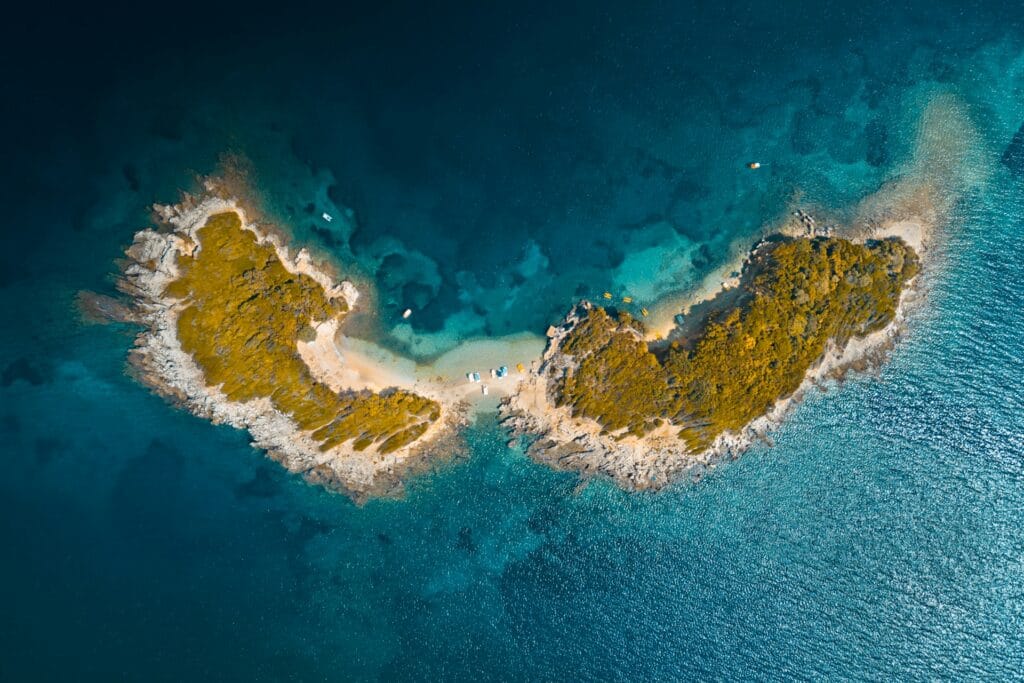
While Greece struggles with overtourism, Albania’s Ksamil Islands and the southern coast are going viral as the “Maldives of Europe” with turquoise water, white sands, and prices about half of comparable Greek hotspots.
The viral hook: TikTok and Instagram are full of Ksamil and Dhermi clips. Early adopters are calling 2026–2027 the last chance to enjoy authentic, less‑crowded beaches before mass tourism and large resorts fully arrive.
Why it’s trending:
- Affordable luxury: beach clubs, boats, and seafood at a fraction of Croatian or Greek prices.
- Still relatively underdeveloped cruise‑ship infrastructure = fewer mega‑tour groups.
- Fits the “off‑beat but safe” European summer narrative that younger travelers want.
What to do:
- Base yourself in Saranda and day‑trip to Ksamil, Dhermi, and Himara.
- Snorkel and swim at Ksamil’s coves.
- Visit UNESCO‑listed Gjirokastër and the ancient city of Butrint.
- Drive the coastal SH8 highway for scenery and small villages.
Best time to visit:
May–June and September–October (warm, far fewer crowds than July–August).
Weather: 20–28°C in summer; 8–15°C in winter.
Budget: $40–80 per day, including accommodation and meals.
Quick tip: Stay in Saranda for maximum flexibility, rent a car for 2–3 days, and explore beyond Ksamil. The quieter southern coves are where the “pre‑discovery” feeling still lives.
3. Mongolia – “The New Frontier” for Adventure Travelers
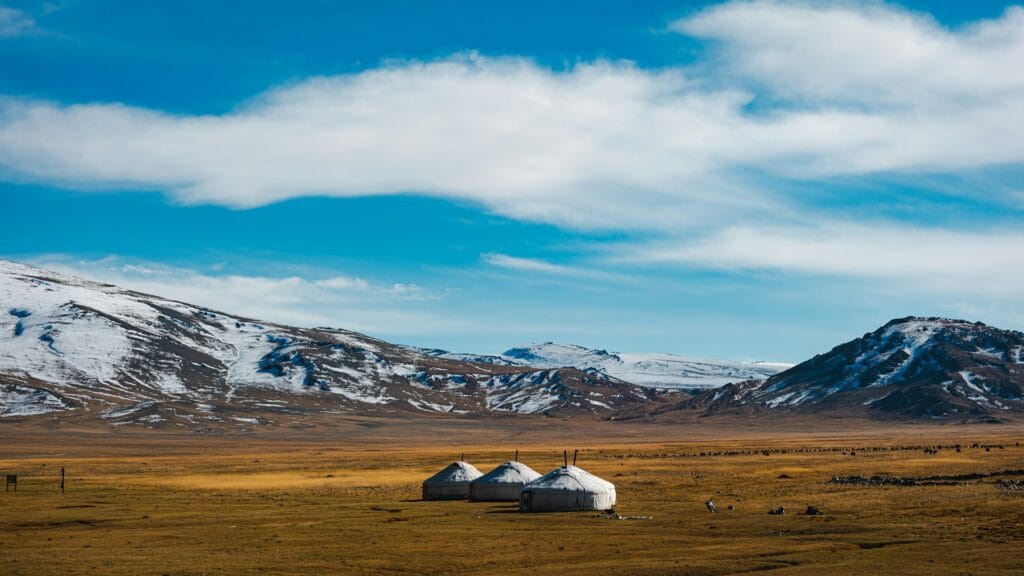
Mongolia’s wide‑open steppe, nomadic culture, and near‑zero light pollution are suddenly all over long‑form YouTube and adventure TikTok. E‑visas, improved infrastructure, and better‑known tour companies have made 2026 the year Mongolia tipped from “impossible” to “actually doable.”
The viral hook: It is one of the last places on Earth where you can ride horseback across genuine steppe, sleep in yurts (gers), and see horizons unbroken by roads or power lines. It looks staggering on camera — and vloggers know it.
Why it’s trending:
- Growth in adventure and “off‑grid” tourism.
- Increasing accessibility while still feeling raw and frontier‑like.
- High engagement rates on social channels (adventure content performs well with advertisers).
What to do:
- Stay with nomadic families in traditional gers.
- Explore the Gobi Desert (sand dunes, flaming cliffs).
- Visit Khustain Nuruu National Park to see reintroduced Przewalski’s horses.
- Hike in the Altai mountains and camp under the Milky Way.
Best time to visit:
June–September (warm enough for steppe and Gobi exploration).
Weather: −20 to 0°C in winter; about 0–20°C in summer.
Budget: $60–150 per day, including tours, guide, and accommodation.
Safety & planning note: Independent backpacking here is possible, but logistically demanding. For most travelers, a reputable local or international tour operator is the smartest choice. Always check current government advisories before booking.
4. Greenland – Direct Flights Opening the Arctic
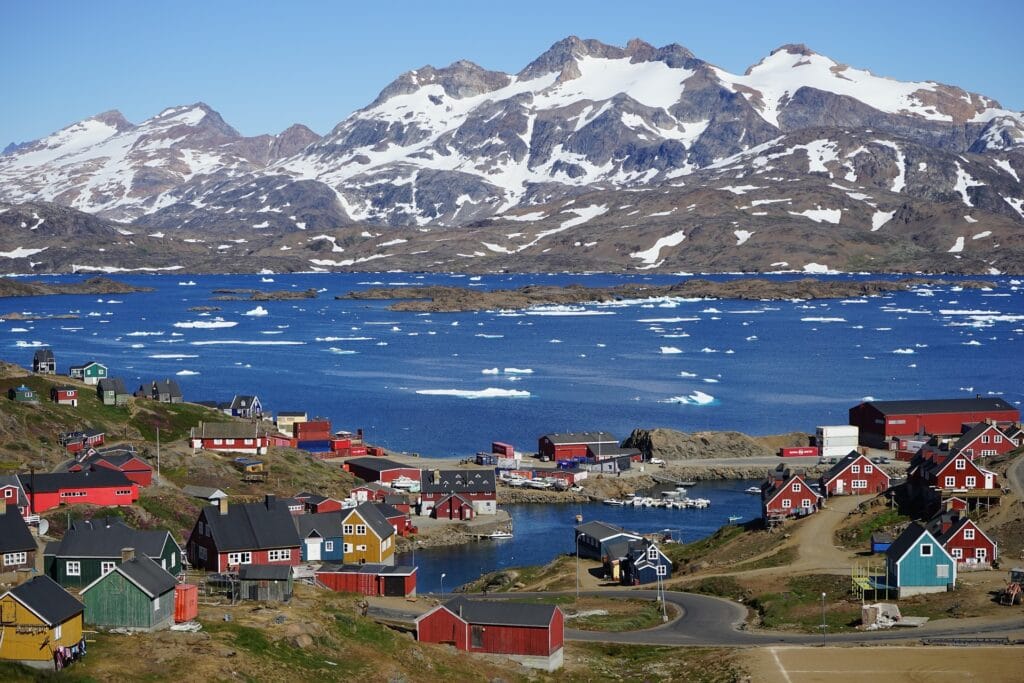
Seasonal direct (or near‑direct) routes from Copenhagen to Greenland are making the Arctic accessible to more than just hardcore expedition travelers. That shift continues into 2026 and is fueling interest among luxury and eco‑conscious travelers alike.
The viral hook: Ilulissat’s icebergs, dog sledding, Northern Lights, and midnight sun in a destination that used to require multiple hops, now reachable via seasonal flights.
Why it’s trending:
- Route changes are making the Arctic logistically simpler.
- Strong demand for extreme nature and climate‑change‑focused experiences.
- Travelers want to see polar landscapes “while they still can,” for better or worse.
What to do:
- Ilulissat Icefjord (UNESCO) – iconic icebergs and boat tours.
- Dog sledding in winter, hiking and kayaking in summer.
- Northern Lights in shoulder seasons, midnight sun in midsummer.
- Learn about Inuit culture and Arctic climate realities.
Best time to visit:
February–October, depending on whether you want Northern Lights, snow, or milder hiking conditions.
Weather: −10 to 5°C in winter; 5–15°C in summer.
Budget: $200–400 per day. Greenland is expensive even by Nordic standards.
Quick tip: Because seasonal flight schedules can change, always confirm current routes and dates with airlines or official tourism sites before you book. Treat Greenland as a “responsibility destination” — the environment and local communities are fragile.
5. The Azores, Portugal – Sustainable Atlantic Islands
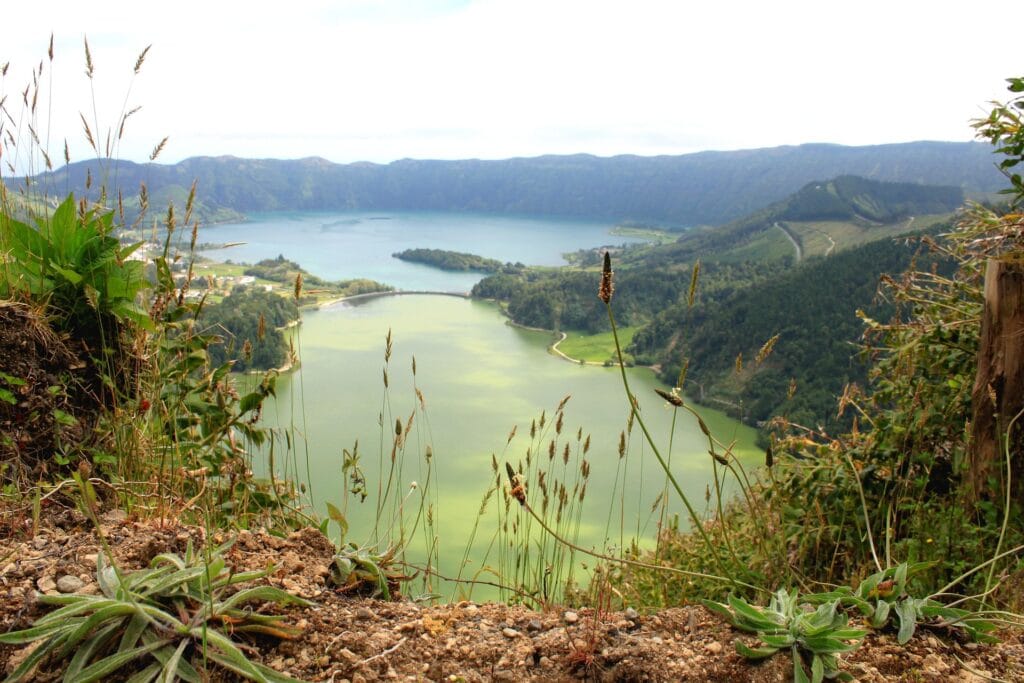
The Azores are widely recognised as one of the world’s leading sustainable island destinations, holding EarthCheck “Sustainable Destination” certification and receiving repeated coverage as a model for low‑impact tourism.
The viral hook: The islands hit about 1.2 million visitors in 2023 yet still feel decidedly less touristy than most Caribbean or Med alternatives. Whale watching, crater lakes, geothermal pools, and slow‑travel focus make them social‑media friendly without feeling like a theme park.
Why it’s trending:
- Sustainability credentials: formal certification, strict development rules, and local‑first tourism strategies.
- Dramatic visuals: crater lakes, cliffs, hydrangea‑lined roads.
- Perfect match for the “nature + wellness + low‑crowd” niche.
What to do:
- Whale and dolphin watching off São Miguel or Pico.
- Hike around Sete Cidades crater or Lagoa do Fogo.
- Soak in geothermal baths at Furnas.
- Island‑hop between São Miguel, Terceira, Pico, and Faial.
Best time to visit:
April–October for warmer weather, though the Azores are a year‑round destination.
Weather: 12–24°C (54–75°F); Atlantic weather can be changeable.
Budget: €80–150 per day.
Quick tip: The Azores focus on “quality, not quantity.” It is not a rock‑bottom budget destination, but it rewards the cost with serious natural beauty and a genuinely thoughtful sustainability approach.
6. Choquequirao, Peru – The Uncrowded Machu Picchu
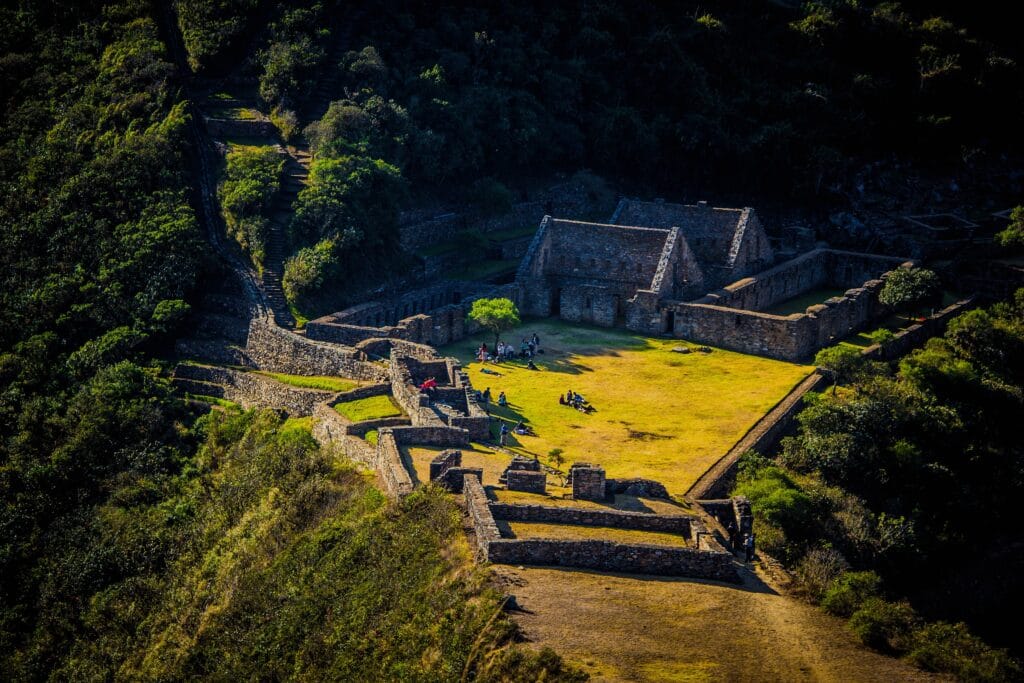
Machu Picchu sees roughly 3,000 visitors a day; Choquequirao sees that many in an entire year. As Peru tries to spread tourism more evenly, Choquequirao is emerging as the “hard‑mode, bragging‑rights” alternative.
The viral hook: It looks like Machu Picchu, requires a multi‑day trek, and still often has fewer than 50 people on site at a time. For serious hikers, it is the 2026 alternative to the classic Inca Trail.
Why it’s trending:
- Growing pushback against overtourism at Machu Picchu.
- Media coverage frames Choquequirao as “the sister city that few visit.”
- Adventure influencers want something beyond the standard tourist route.
What to do:
- 4–5 day trek to the ruins, camping in the cloud forest.
- Combine with Machu Picchu for a “double Inca” trip.
- Experience remote Andean communities along the trail.
Best time to visit:
May–June and September–October (dry season, best trail conditions).
Budget: $1,200–2,000 including guide, porter support, and permits.
Important note: This is a physically demanding trek with altitude and steep switchbacks. It is not for casual hikers. Book with a reputable operator.
7. Slovenia – Europe’s Green Fairy‑Tale Country
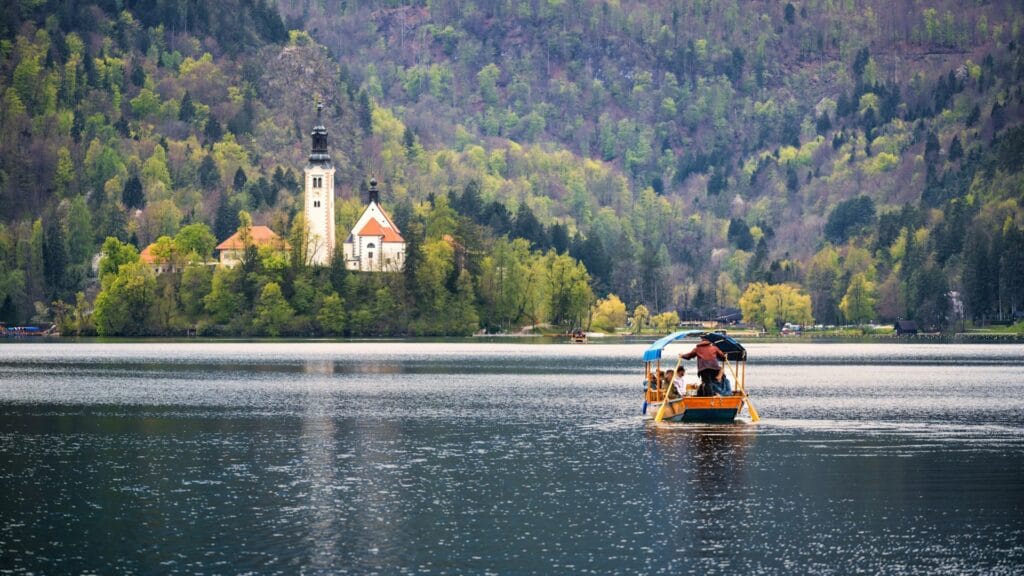
Slovenia markets itself as Europe’s greenest country and the claim holds up: over 60% of its territory is forested, and it scores high on safety indexes, sustainability, and quality of life.
The viral hook: Lake Bled, Ljubljana, and the Julian Alps deliver fairy‑tale imagery with a fraction of the crowds seen in Switzerland or Austria and at lower prices. Solo female travelers in particular praise the country’s safety and ease.
Why it’s trending:
- Safe, compact, and easy to navigate.
- Strong sustainability positioning.
- Fits perfectly into multi‑country “Alps and Adriatic” itineraries.
What to do:
- Lake Bled: island church, castle, and lakeside walks.
- Ljubljana: car‑free centre with cafés and riverfront life.
- Triglav National Park and the Julian Alps for hiking, canyoning, and rafting.
- Postojna or Škocjan caves.
Best time to visit:
April–May and September–October (comfortable temperatures, fewer crowds).
Budget: €60–120 per day.
Quick tip: Base in Ljubljana and take day trips to Bled, caves, and wine regions. Public transport is good and distances are short.
8. Guatemala – Tikal on the Radar
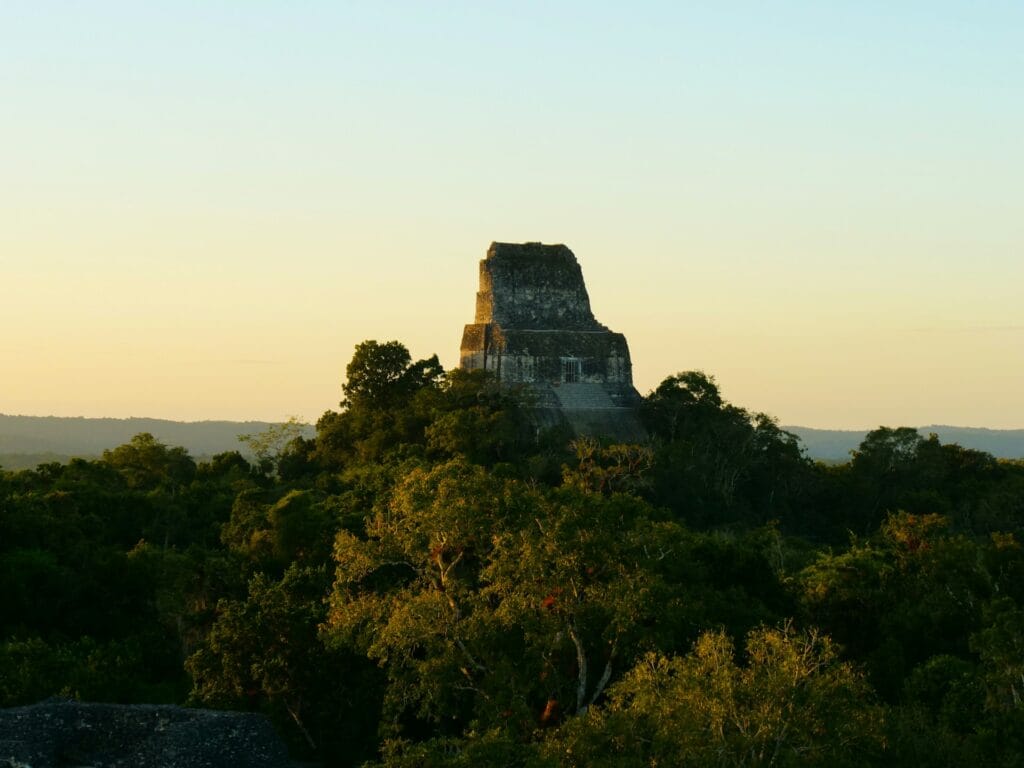
Guatemala’s Tikal, one of the most impressive Maya sites in the world, is surfacing more in “where to go next” conversations as travelers look beyond Mexico’s better‑known ruins. Discussion around possible future Maya Train connections and improved infrastructure has also put Guatemala on watchlists, even though cross‑border links are still speculative.
The viral hook: Tikal offers a true “ruins in the jungle” experience with temples rising above rainforest canopy, howler monkeys roaring at dawn, and far fewer visitors than Chichen Itza.
Why it’s trending:
- Interest in less‑crowded alternatives to Mexico’s marquee sites.
- Growing adventure tourism in Central America.
- Social‑media images of temples poking through the misty jungle canopy.
Clarified infrastructure reality (2026):
- Mexico’s Maya Train has sparked discussion of more regional connectivity, but there is no operational rail extension into Guatemala yet. For now, you still reach Tikal via domestic flights and roads from Guatemala City or Belize.
What to do:
- Sunrise or sunset tour of Tikal National Park.
- Combine with colonial Antigua, Lake Atitlán, and local Maya markets.
- Wildlife spotting: toucans, monkeys, coatis, and more.
Best time to visit:
December–February (dry season). April and May can be hotter and more humid.
Budget: $50–100 per day.
Safety note: Tourism circuits around Tikal, Antigua, and Atitlán are well‑established, but security can vary in other regions. Use vetted guides, avoid night travel outside main routes, and check current advisories before you go.
9. Tasmania, Australia – Foodie Wilderness
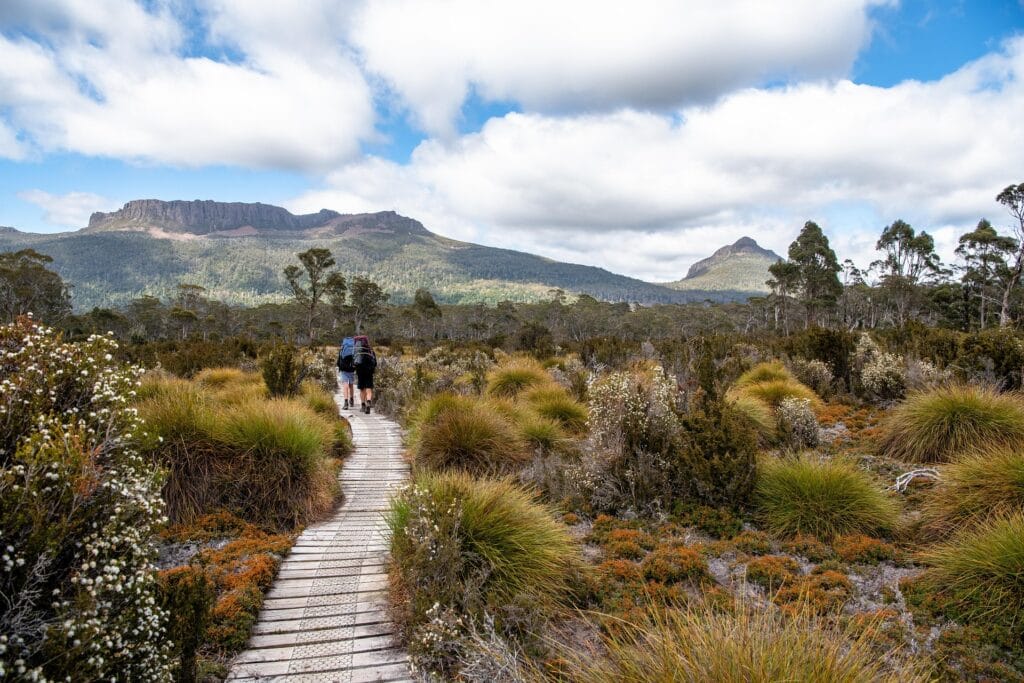
Tasmania is emerging as the Southern Hemisphere’s “foodie wilderness,” remote, wild, and home to some of Australia’s most acclaimed restaurants and vineyards.
The viral hook: It is Australia’s other island, world‑class produce and cool‑climate wines paired with dramatic national parks, rugged coastlines, and wildlife like wallabies and Tasmanian devils.
Why it’s trending:
- High‑end food and wine coverage spotlighting Hobart and the Tamar Valley.
- Hiking and wilderness (Cradle Mountain, Overland Track) for adventure travelers.
- Appealing to luxury travelers who have done Sydney and Melbourne and want something new.
What to do:
- Hobart: MONA museum, Salamanca Market, waterfront dining.
- Hike Cradle Mountain–Lake St Clair National Park.
- Wine tasting in Tamar Valley.
- Explore Freycinet National Park and Wineglass Bay.
Best time to visit:
November–April (southern summer and early autumn).
Budget: $150–250 per day.
10. Big Sky, Montana, USA – Yellowstone Luxury
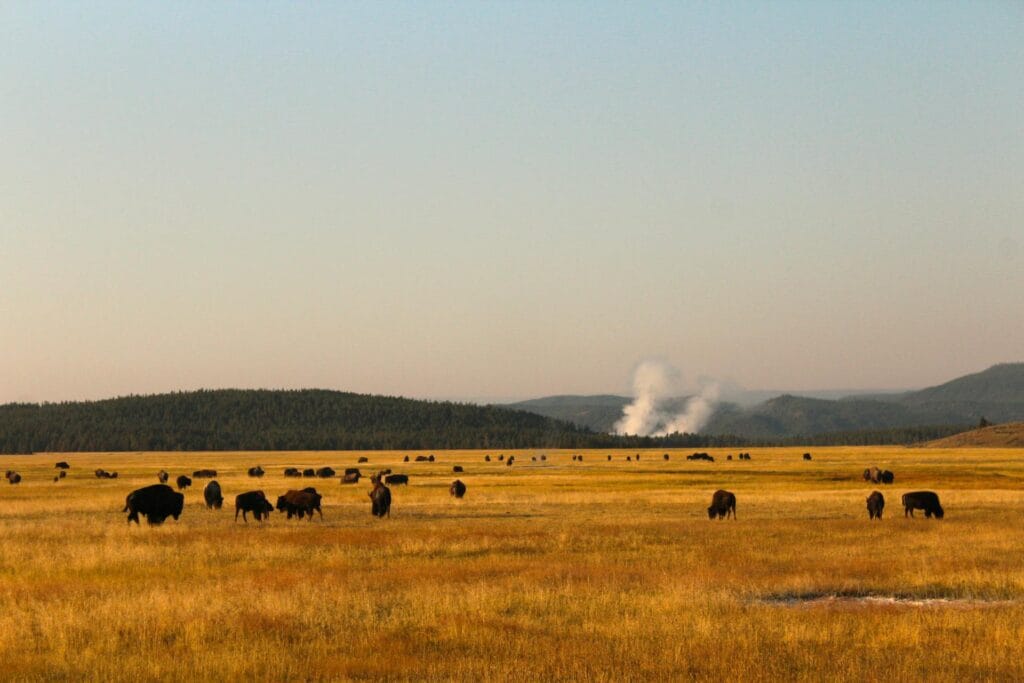
Big Sky topped Expedia’s trending destinations lists with major search growth, largely thanks to the One&Only Moonlight Basin luxury resort opening in late 2025 and proximity to Yellowstone National Park.
The viral hook: Pair world‑class skiing and mountain scenery with a new wave of high‑end accommodations and culinary programmes, then add Yellowstone’s geysers and wildlife just down the road.
Why it’s trending:
- US domestic luxury travel boom.
- The pull of Yellowstone combined with newer, glossier stays.
- “Mountain modern” architecture and glass‑platform viewpoints play well on social media.
What to do:
- Winter: skiing and snowboarding.
- Summer: hiking, fly‑fishing, rafting, mountain biking.
- Day trips into Yellowstone for Old Faithful, wildlife safaris, and geothermal features.
Best time to visit:
- December–February for skiing.
- June–August for hiking and lakes.
Budget: $200–400 per day (higher with luxury stays).
11. Okinawa, Japan – Blue Zone Wellness
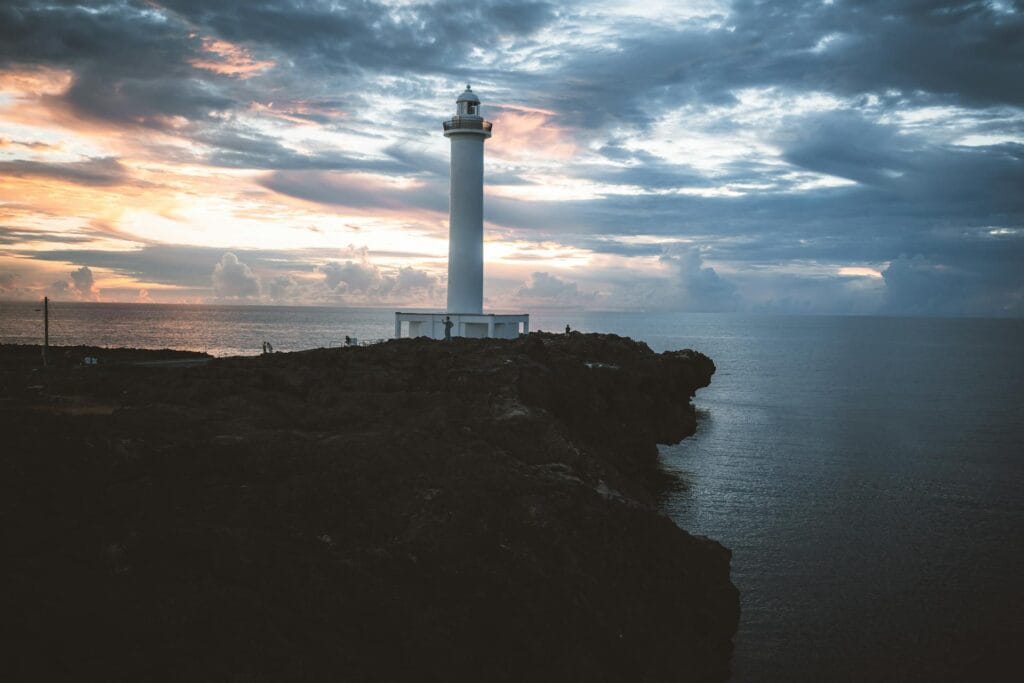
Okinawa is one of the world’s original “Blue Zones” regions where people frequently live past 100 and wellness tourism has finally caught up to that fact. Luxury resorts are packaging Blue Zone principles into retreats focused on longevity, plant‑forward cuisine, and community.
The viral hook: Wellness meets longevity science and Japanese island culture. Retreats at brands like Halekulani and Hoshinoya combine food, movement, and purpose‑driven workshops framed as “how to live longer and better.”
Why it’s trending:
- Global boom in wellness and longevity content.
- Desire to combine beach time with “meaningful” travel.
- Easy to combine with Tokyo or Kyoto in one Japan itinerary.
What to do:
- Blue Zone retreats (where budget allows).
- Snorkeling and diving on coral reefs.
- Visit Shuri Castle and local markets.
- Experience Okinawan food culture (sweet potatoes, goya, tofu, fresh vegetables).
Best time to visit:
October–April (warmer, less humid, outside typhoon season).
Budget: $120–200 per day; dedicated retreats can run $3,800+ for 7 days.
12. Gaziantep, Turkey – Gastronomy Capital
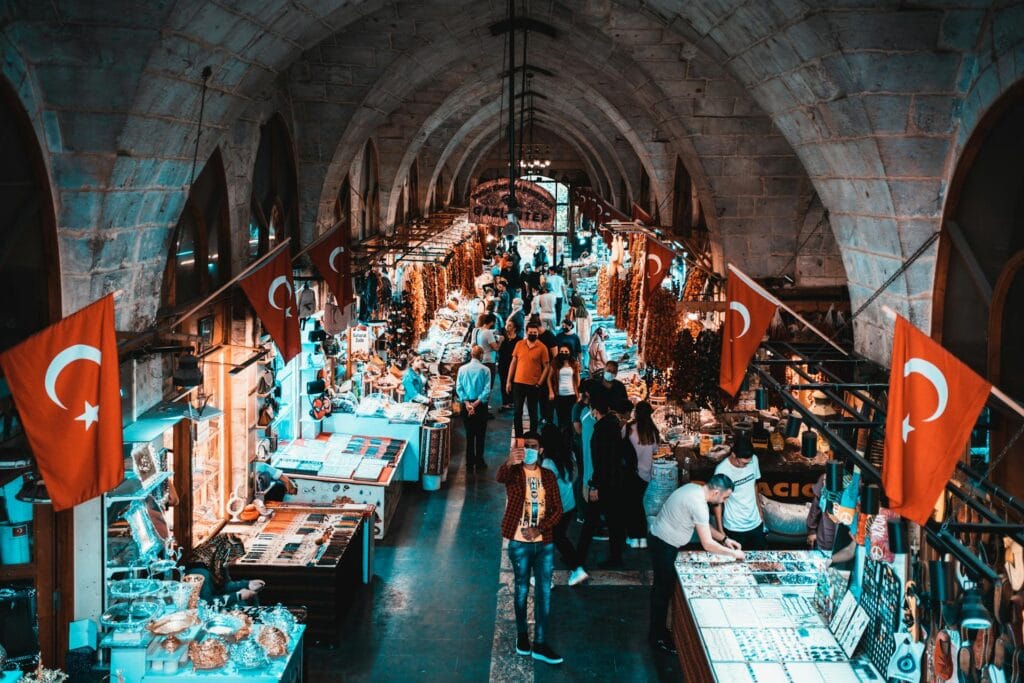
Gaziantep is increasingly described by food journalists as Turkey’s culinary capital, with baklava, pistachios, and kebabs that locals insist are the country’s best.
The viral hook: It has Michelin recognition and a reputation among chefs and food writers as the place to understand Turkish cuisine beyond Istanbul. Food‑focused reels and city‑guide videos are pushing Gaziantep into “where to go next” lists.
Why it’s trending:
- Food and culinary tourism growth.
- Authentic, less touristy than Istanbul.
- Exceptional pistachio‑based desserts and centuries‑old copper‑working traditions.
What to do:
- Guided food tours through baklava shops, kebab houses, and pistachio markets.
- Visit the Zeugma Mosaic Museum.
- Explore bazaars and copper workshops.
- Take a cooking class focusing on regional dishes.
Best time to visit:
April–May and September–October (pleasant, not too hot).
Budget: $50–100 per day.
Safety note: Gaziantep is well away from current conflict zones but still in southeastern Turkey. Check up‑to‑date advisories, avoid any border regions if guidance changes, and monitor local news when planning.
13. Sierra Leone – For “Everywhere” Travelers
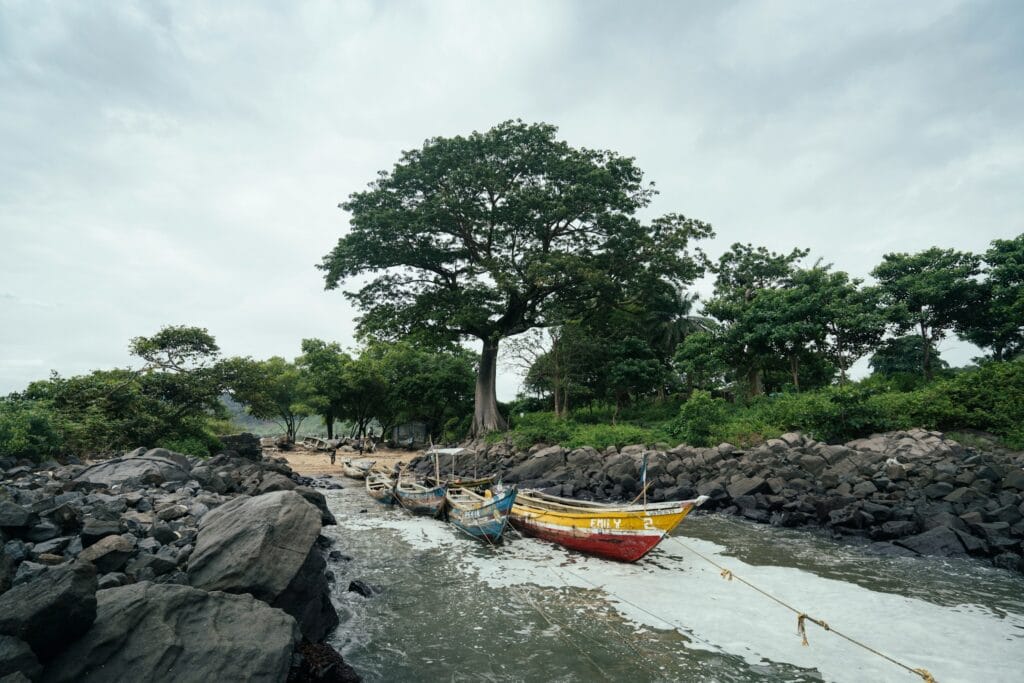
Sierra Leone is showing up on the itineraries of travelers who have already been to 50+ countries and want something genuinely different. Intrepid Travel and other adventure operators now run group itineraries there, placing it firmly in the “emerging for experts only” category.
The viral hook: It is not marketed to casual tourists. It is pitched as a final frontier: beautiful Atlantic beaches, rainforest, and culture without big‑tourism infrastructure. That scarcity and difficulty are exactly what attract “everywhere travelers.”
Why it’s trending:
- Adventurous travelers seeking under‑visited West African destinations.
- Impact‑ and community‑focused tourism narratives.
- Operators emphasizing responsible, small‑group trips.
What to do:
- Beach time on the Freetown Peninsula and Banana Islands.
- Wildlife reserves and rainforest hikes.
- Cultural village visits and local music scenes.
- Surfing potential in select coastal areas.
Best time to visit:
November–March (dry season).
Budget: $50–120 per day, but plan extra for guided tours and transport.
Safety note: Sierra Leone remains a developing nation with uneven infrastructure. It is best visited through reputable adventure tour operators, with careful attention to current government advisories at the time of booking.
14. Bornholm, Denmark – Toward a Zero‑Waste Island
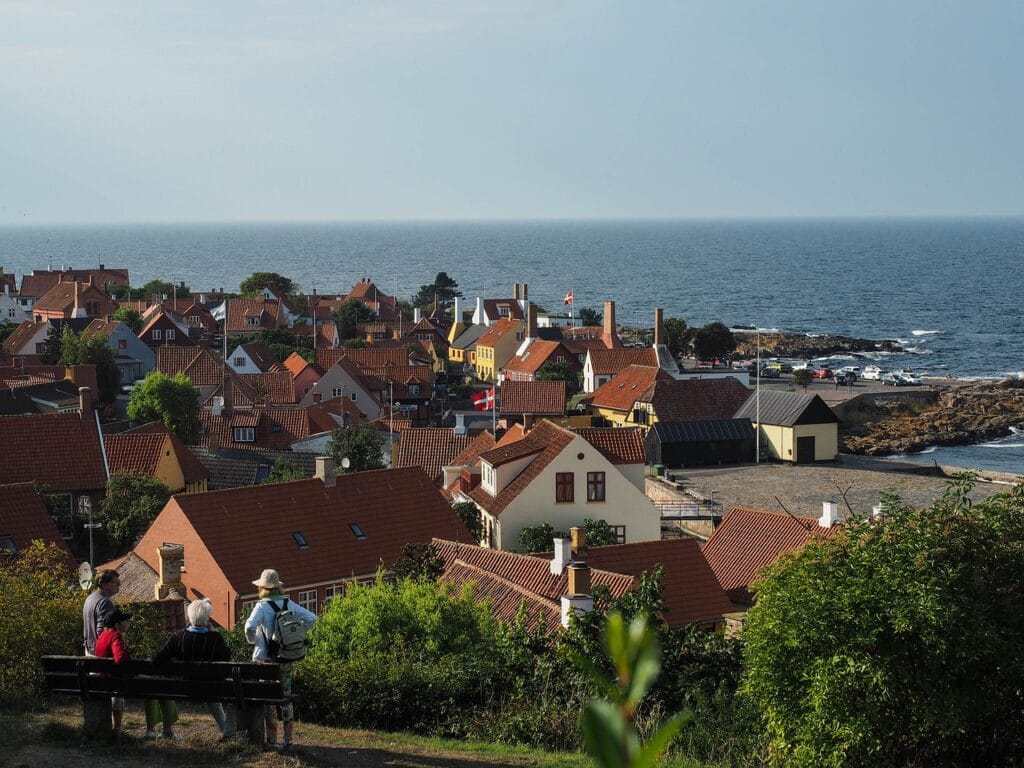
The Danish island of Bornholm has pledged to become a zero‑waste community by 2032, turning itself into a real‑world laboratory for circular‑economy tourism and sustainable living.
The viral hook: It is one of the most ambitious sustainability experiments in Europe. Travelers can literally tour recycling plants, renewable‑energy projects, and local food systems designed to eliminate waste. This aligns perfectly with OffsetMiles’ sustainability focus.
Why it’s trending:
- Growing interest in climate, waste, and circular economy topics.
- Scandinavian island charm: fishing villages, cliffs, and beaches.
- Easy add‑on to a Copenhagen trip.
What to do:
- Cycle across the island, it is compact and bike‑friendly.
- Visit local smokehouses, bakeries, and farm‑to‑table restaurants.
- See waste‑management and recycling initiatives in action (contact local BOFA or tourism board).
- Enjoy beaches and coastal hiking.
Best time to visit:
May–September (long days, milder temperatures).
Budget: €100–180 per day.
15. Salta, Argentina – High‑Altitude Wine
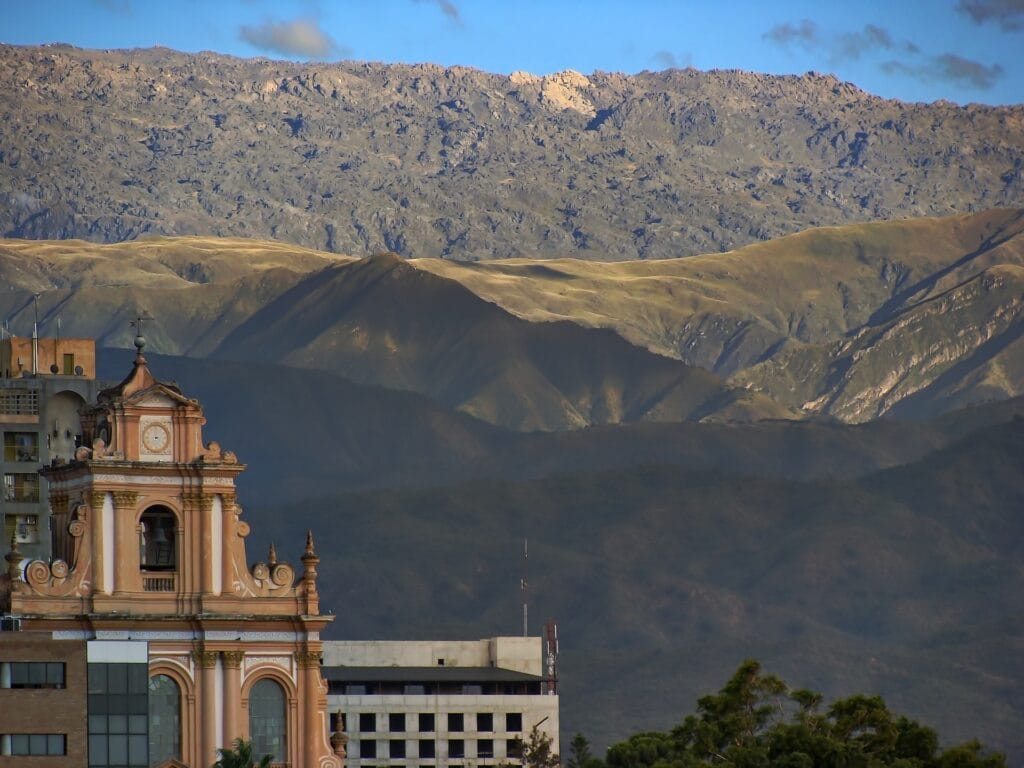
Salta and the nearby Cafayate region are trending among wine travelers as a high‑altitude alternative to Napa or Bordeaux, with vineyards reaching 3,000 metres above sea level and prices roughly half their North American and European counterparts.
The viral hook: Wine produced at altitude, stunning Andean backdrops, and a colonial city that feels more like a hidden gem than a polished wine resort.
Why it’s trending:
- Wine tourism growth and curiosity about high‑altitude terroir.
- Strong value for money in both wine and dining.
- Combine with Argentine culture, markets, and Andean landscape.
What to do:
- Base yourself in Salta city and day‑trip to Cafayate wineries.
- Explore colonial architecture and local markets.
- Go horseback riding or hiking in the surrounding valleys.
Best time to visit:
March–May (harvest season) and September–November (spring).
Budget: $80–150 per day.
By Trend Category
Viral Social Media Destinations
- Albanian Riviera
- Choquequirao (Peru)
- Big Sky (Montana)
- Okinawa (Japan)
Sustainable / Eco‑Tourism
- Azores (Portugal)
- Greenland
- Bornholm (Denmark)
- Guatemala (Tikal + rainforest)
- Sierra Leone (responsible operators)
Adventure Seekers
- Mongolia
- Greenland
- Choquequirao
- Tasmania
- Sierra Leone
Foodies
- Gaziantep (Turkey)
- Salta (Argentina)
- Tasmania
- Barcelona
Wellness Travelers
- Okinawa
- Azores
- Bornholm
- (Bonus: Slovenia’s lakes + Alps for nature‑based wellness)
Luxury Travelers
- Greenland
- Tasmania
- Big Sky
- Barcelona
Budget Travelers
- Albanian Riviera
- Guatemala
- Sierra Leone
- Salta
Culture / History
- Barcelona
- Guatemala (Tikal + Antigua)
- Gaziantep
- Bornholm (heritage + circular‑economy story)
Travel Timing & Booking
Because we are already in March 2026, here is how far ahead you should realistically book:
Book 6–12 Months Ahead (for late‑2026 trips and scarce inventory)
- Sagrada Familia‑focused Barcelona trips (especially around any announced completion ceremonies).
- One&Only Moonlight Basin and other top‑tier Big Sky luxury stays.
- Greenland summer (June–September) if you want specific dates and cabins.
- Okinawa Blue Zone–branded wellness retreats.
- Multi‑week Mongolia itineraries with reputable outfitters.
Book 3–6 Months Ahead
- Albanian Riviera (summer).
- Azores island‑hopping.
- Slovenia peak season (Alps and Lake Bled).
- Tasmania in southern summer.
- Guatemala’s Tikal and Antigua combos.
- Salta’s harvest season.
Book 1–3 Months Ahead
- Barcelona outside peak events.
- Bornholm and other Scandinavian islands.
- Sierra Leone and other niche adventure itineraries (after checking safety).
- Short‑break food trips to Gaziantep.
Budget Overview (10‑Day Trip Estimates)
These ranges still hold as realistic mid‑range budgets in early 2026; inflation may have nudged some prices, but overall orders of magnitude are unchanged.
| Destination | Daily Cost | Typical Flight (from NA/EU) | Approx. 10‑Day Total |
| Albanian Riviera | $40–80 | $600–1,000 | $1,000–1,800 |
| Guatemala | $50–100 | $600–1,200 | $1,100–2,200 |
| Sierra Leone | $50–120 | $1,200–1,800 | $1,700–3,000 |
| Salta | $80–150 | $900–1,500 | $1,700–2,900 |
| Gaziantep | $50–100 | $800–1,400 | $1,300–2,400 |
| Azores | €80–150 | $700–1,200 | $1,500–2,700 |
| Bornholm | €100–180 | $700–1,200 | $1,700–3,000 |
| Slovenia | €60–120 | $800–1,400 | $1,400–2,600 |
| Mongolia | $60–150 | $1,000–1,600 | $1,600–3,100 |
| Okinawa | $120–200 | $900–1,500 | $2,100–3,500 |
| Tasmania | $150–250 | $1,500–2,200 | $3,000–4,700 |
| Choquequirao trek | ~$200/day | $900–1,500 | $2,900–3,500 (trek only) |
| Barcelona | €100–200 | $600–1,200 | $1,600–3,200 |
| Big Sky | $200–400 | $400–900 | $2,400–4,900 |
| Greenland | $200–400 | $1,000–1,500 | $3,000–5,500 |
FAQ
Which places will be busiest in 2026?
- Barcelona — especially around Sagrada Familia’s key dates.
- Big Sky — ski and summer seasons with new luxury openings.
- Albanian Riviera and Okinawa — moving quickly toward mainstream.
Choquequirao, Gaziantep, Sierra Leone, and Mongolia will remain more niche but require more planning and tolerance for rough edges.
Which destinations offer the best value?
- Albanian Riviera, Guatemala, and Sierra Leone offer the lowest daily costs.
- Salta and Gaziantep deliver high‑level food and wine experiences at mid‑range prices.
Which are best for solo female travelers?
- Slovenia is the standout: safe, friendly, and very easy to navigate.
- Azores and Okinawa also rate highly for safety and infrastructure.
- Mongolia is manageable with a group tour; Sierra Leone is not recommended for solo first‑timers and should be visited with experienced operators.
Which have the lowest relative carbon footprint?
Closer destinations from Europe and North America naturally fare better: Bornholm, Albanian Riviera, Gaziantep, Slovenia, Barcelona. Long‑haul options like Mongolia, Tasmania, and Greenland carry higher flight emissions — offsetting and longer, slower trips help mitigate impact.
Which will likely be significantly more expensive by 2027?
The Albanian Riviera is the most likely to experience rapid price increases and heavier development. 2026–2027 are probably the last years it will feel truly “under the radar” and budget‑friendly.
OffsetMiles helps travelers discover trending destinations responsibly — one experience at a time.