
At a Glance
| Best months to visit | June–September (varies by destination – see seasonal section) |
| Average daily budget | Budget: $60–$90 / Mid, range: $130–$200 / Luxury: $350+ |
| Visa requirement | Sardinia is the only European region on Lonely Planet’s global Best in Travel 2026 top 25 · Slovenia bookings up 286% YoY · Oulu, Finland, is the single most cited European destination across 10 major 2026 travel publications |
| Currencies | EUR – Euro (Greece, Slovenia, Finland, Montenegro) · ALL – Albanian Lek (Albania) · GBP – British Pound (Scotland/UK) · GEL – Georgian Lari (Georgia) · BAM – Convertible Mark (Bosnia & Herzegovina) · EUR also widely accepted in Montenegro alongside BAM |
| Tipping norms | 10% at restaurants is standard across most destinations; tipping is rare in Finland; service charges are sometimes included in Greece and Italy. Check the bill before adding extra |
| Languages | Greek, Italian, Albanian, Slovene, Georgian, Bosnian, Finnish, and English widely spoken by tourists, facing businesses across all listed destinations |
| Summer 2026 standouts | EUR – Euro (Greece, Slovenia, Finland, Montenegro) · ALL – Albanian Lek (Albania) · GBP – British Pound (Scotland/UK) · GEL – Georgian Lari (Georgia) · BAM – Convertible Mark (Bosnia & Herzegovina) · EUR is also widely accepted in Montenegro alongside BAM |
Why Summer 2026 Is Different From Every Other Year
The single biggest structural shift in European travel this summer is flight price pressure. US flights to Europe in July 2026 are down 11% year, over, year, according to BBC Travel’s April 2026 analysis – and that compression is visibly redirecting traveler attention toward value destinations that were previously ignored in favor of easy direct flight options. At the same time, Rome2Rio reports a 35% global increase in searches for smaller cities in 2026, and the European Travel Commission noted in March 2026 that long-haul travelers are increasingly choosing to go beyond major capitals.
The result: this isn’t a year where everyone defaults to Santorini and calls it a plan. Expedia’s 2026 Destinations of the Year data shows Sardinia up 63% in global searches. Tbilisi, Georgia, is up 145% in UK summer searches. Expedia describes it as offering “affordable luxury, historic charm, and a thriving food scene.” Switzerland’s Basel is up 185% from the UK, driven by travelers seeking a cooler Central European alternative to the Mediterranean heat. These numbers reflect actual search behavior, not editorial conjecture.
There’s also a climate-driven search shift new to this cycle. The Independent published a dedicated article on cool destinations to escape the heat in May 2026, and Google search data shows heat avoidance queries rising sharply. July heatwaves across Southern Europe have shifted the calculus for travelers who spent previous summers in 38°C Dubrovnik or Rome. This article addresses that directly with a dedicated beat, the heat section covering three specific best summer destinations in Europe for 2026.
One more structural note: “solo travel” hit an all-time Google Search high in early 2026, and “women solo travel” reached a 15-year high. Every destination below includes a solo travel note because a place with good food and cheap hotels isn’t the same as being easy to navigate alone. Solo travel suitability below is based on walkability, safety profile, and established independent traveler infrastructure.
One practical note before the destinations: Expedia identifies June 12 as the cheapest day to fly in summer 2026. The most expensive days are July 19 and July 26. If your dates are flexible, that spread can represent 25–45% in airfare cost on the same routes.
Anchor Picks: Established Destinations With a 2026 Reason to Go
These destinations appear across most competitor listicles and earn their place here with specific 2026 angles, not because they’re perennially popular.
Sardinia, Italy
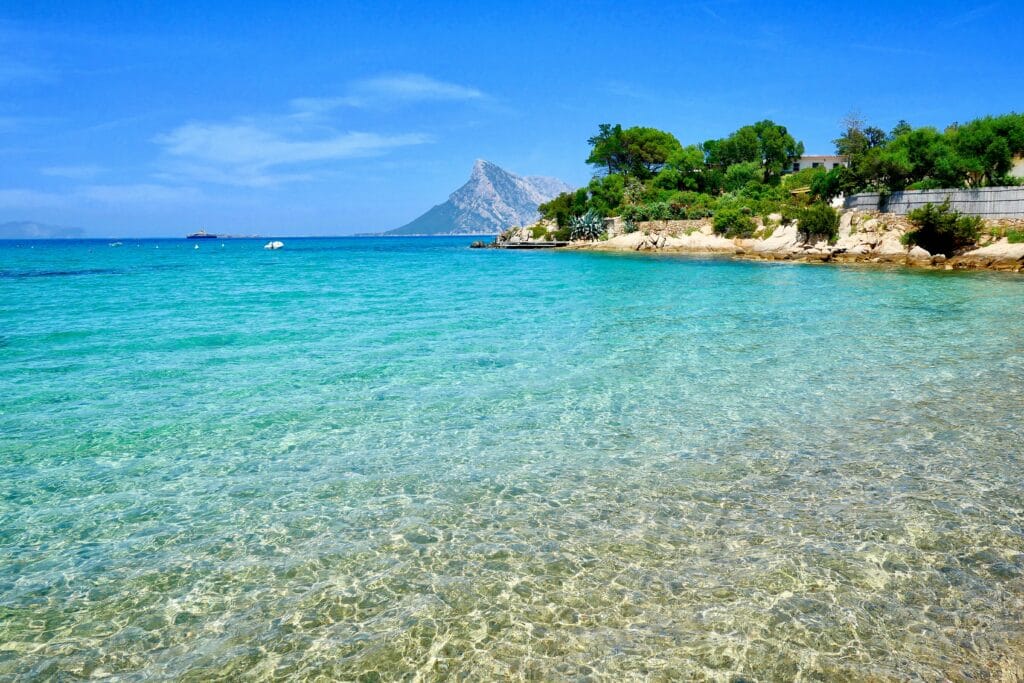
Why this summer: Sardinia is the only European region on Lonely Planet’s global Best in Travel 2026 top 25. Expedia’s global search data shows it up 63% year over year, with UK-specific searches for Olbia and Alghero individually up 90%. It is being actively booked at a scale that suggests supply hasn’t yet caught up to demand. June remains the best value window: temperatures 25–28°C, crowds lighter, accommodation 30–40% below August peak rates.
What to do:
- La Maddalena Archipelago National Park is a protected marine area off the northeast coast near Palau. Day trips from Palau: approximately €25 – €35 per person. Park entry is free; boat access is how most visitors get in. Operational May through October, peak departures 9–10 AM.
- Su Nuraxi di Barumini, a UNESCO-listed Bronze Age nuraghe complex, is one of the most intact in Sardinia. Entry: €15 adults, €8 children. Open daily 9 AM – 7 PM in summer. Book the English language guided tour online at least two days ahead; walk-in availability is unreliable in July and August.
- Cala Goloritzé beach is accessible only on foot (roughly 2.5 hours from Baunei) or by sea. No road access. Boat transfers from Santa Maria Navarrese: approximately €20 – €30 return. Arrive before 10 AM to avoid queues.
Where to stay:
- Budget (under €80/night ~$87): Orosei or Nuoro town agriturismo farmstays and guesthouses, 40 minutes by car to major beaches.
- Mid-range (€130 – €200/night ~$141 – $217): Alghero old town, coral beaches nearby, medieval walls, easy access from Alghero Fertilia Airport (AHO).
- Specific pick: Hotel dei Pini, Alghero, direct beach access, approximately €150 – €180/night in summer.
Practical tip: Fly into Olbia Costa Smeralda (OLB) for the north, Cagliari Elmas (CAG) for the south. Book rental cars at least 6 weeks ahead. July arrivals who book on arrival day routinely pay 3× the base rate, or find nothing available at smaller coastal depots.
Solo travel note: Sardinia is manageable solo, but not optimized for it. Most coastal areas require a car or scooter. Alghero’s old town is compact and walkable for solo evenings, and organized day tours to the nuraghi sites and archipelago depart regularly from there, a practical alternative to self-driving.
Crete, Greece
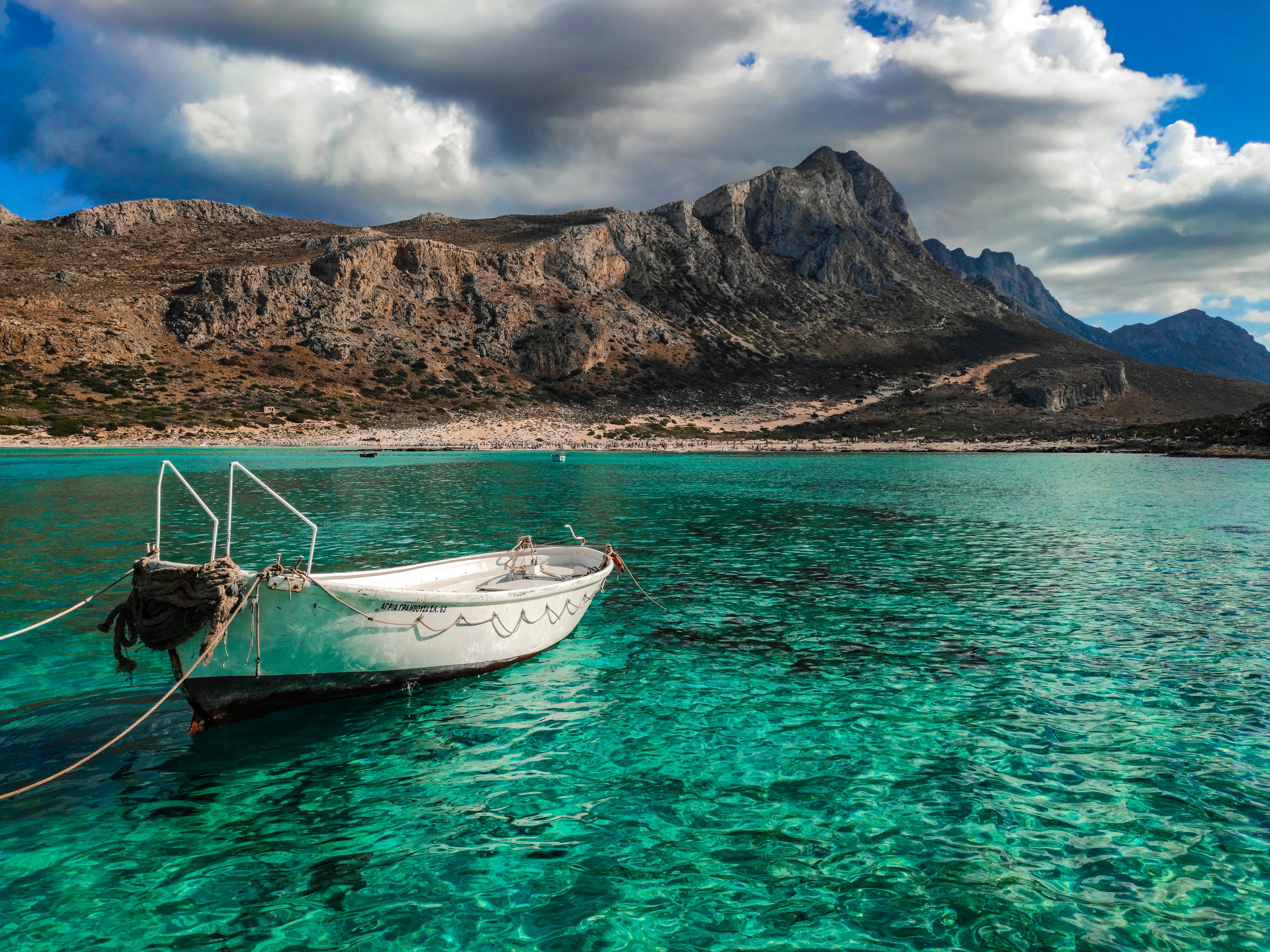
Why this summer: Crete holds the European Region of Gastronomy 2026 designation, driving a specific wave of food, focused programming, producer tours, seasonal festivals, and culinary events not running at this scale in 2025. The new Kastelli Airport east of Heraklion is under construction; for 2026, Heraklion International (HER) and Chania International (CHQ) remain the main entry points.
What to do:
- Samaria Gorge – a 16 km gorge hike in the White Mountains. Entry €10. Open May through October, 7 AM – 3 PM (last entry for descent completion). One-way hike takes 4 – 7 hours. End point: Agia Roumeli, from which ferries depart to Sfakia (~€15). Go on a weekday and start before 8 AM – August weekends see over 3,000 people on the trail.
- Knossos Palace – the Minoan archaeological site 5 km south of Heraklion. Entry €15 adults, €8 children. Open 8 AM – 8 PM daily in summer. The site covers 20,000 m² – wear proper footwear, not sandals.
- Agora of Chania market hall – the 1913 cross-shaped covered market in central Chania. Free entry. Open Monday to Saturday, 8 AM – 2 PM (select stalls reopen 5 – 8 PM). Cretan thyme honey and graviera cheese here cost 40 – 60% less than the same products at Heraklion airport shops.
Where to stay:
- Budget (under €60/night ~$65): Heraklion city center – functional, well-connected by KTEL bus, not a beach location.
- Mid-range (€120 – €180/night ~$130 – $195): Chania Old Town Venetian architecture, harbor, facing restaurants, walkable waterfront.
- Specific pick: Casa Delfino, Chania, a 17th-century Venetian mansion converted to a boutique hotel, approximately €160–€220/night in summer.
Practical tip: KTEL intercity buses connect Heraklion to Rethymno (€7.60, 1.5 hrs) and Chania (€15, 2.5 hrs) multiple times daily. Staying in Chania means you don’t need a car for the first 2–3 days; car hire pays off if visiting the eastern part of the island (Elounda, Spinalonga).
Solo travel note: Crete is well-suited to solo travel. Chania Old Town is compact, walkable, and KTEL-connected without requiring a car. Female solo travelers consistently rate Crete highly in independent travel forums, and the established guesthouse culture means single, room bookings are straightforward.
The Peloponnese, Greece
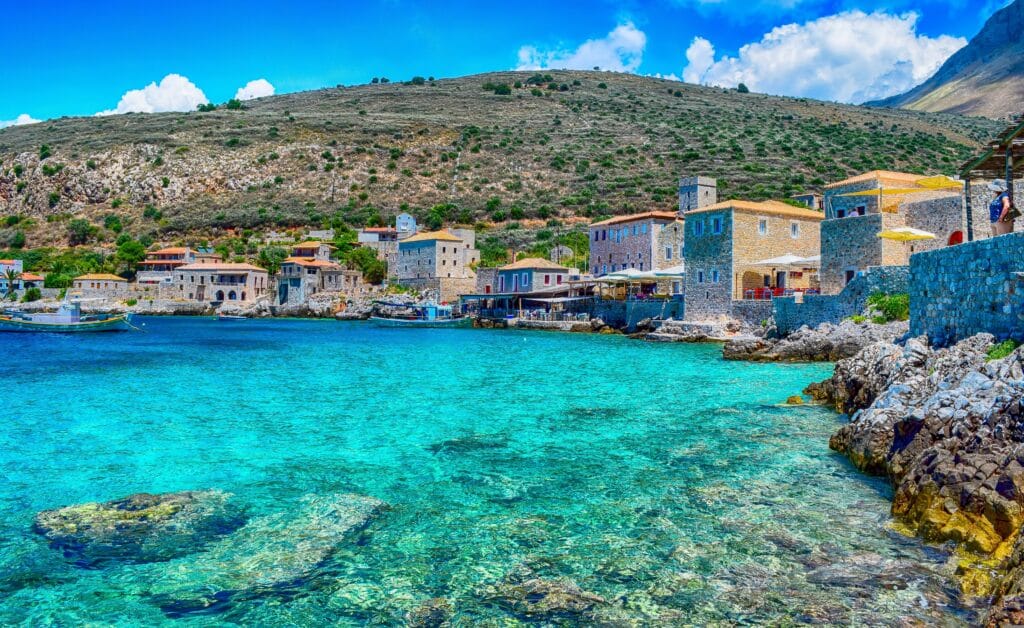
Why this summer: Condé Nast Traveler included the Peloponnese on its 2026 list on the strength of a new 1,730 km long distance hiking network, the Peloponnese Trail, and a wave of boutique properties positioning around sustainable travel. This is a region receiving serious editorial attention without yet tipping into Cyclades, with moderate foot traffic. June 2026 is still a workable window before it goes fully mainstream.
What to do:
- Ancient Olympia – the original Olympic Games site in Elis. Entry €12. Open daily 8 AM – 8 PM in summer. The on-site Archaeological Museum is included in the ticket; the Hermes of Praxiteles statue alone justifies the entry cost.
- Mystras UNESCO site – a fortified Byzantine city built on a ridge of Mount Taygetus near Sparta. Entry €12. Open 8 AM – 8 PM, May – October. Bring 2 liters of water minimum; the site is entirely exposed, and the uphill sections take 45 – 60 minutes.
- Monemvasia – a medieval fortress town on a tidal island connected to the mainland by a single causeway. No admission fee to the lower town. The upper citadel has an entrance gate but is not formally ticketed. Tour groups from Nafplio arrive after 10 AM; get there at sunrise to have it to yourself.
Where to stay:
- Budget (under €70/night ~$76): Sparti (Sparta city) – affordable and geographically central to the region.
- Mid-range (€150 – €250/night ~$163 – $272): Nafplio – compact, walkable coastal town with a Venetian fortress. Book 6 – 8 weeks ahead for summer availability.
- Specific pick: Boutique hotels in Nafplio’s Omorfi Poli cluster – restored neoclassical buildings, 8 – 12 rooms, €150 – €200/night.
Practical tip: The Peloponnese had no functional tourist rail network in 2026. All access requires either a rental car or KTEL intercity buses from the Athens Kifissos terminal. Budget at least 3.5 hours from Athens to Nafplio by KTEL.
Solo travel note: Nafplio is one of the most solo-friendly bases in Greece, small enough to feel secure and safe after dark, and its restaurant culture doesn’t penalize solo diners. The well-established guesthouse scene means single, room bookings are standard rather than the exception.
Underrated Picks: Best European Summer Destinations 2026 Beyond the Mainstream
These destinations are all verified picks from credible 2026 travel sources. All carry lower accommodation costs than their nearest mainstream equivalents.
Slovenia
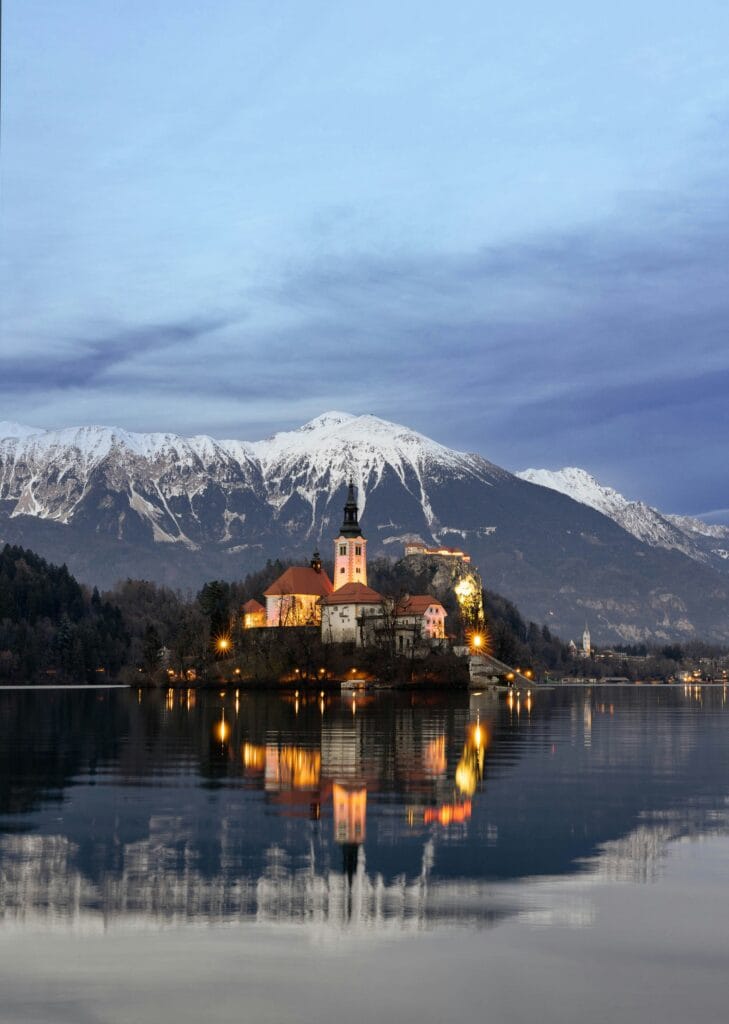
Why this summer: BBC Travel’s April 2026 analysis flagged Slovenia as a breakout destination following a 286% year, over, year booking surge reported by Unforgettable Travel Company. The pricing case is concrete: Slovenia runs approximately 15% cheaper than Austria and 25% cheaper than Switzerland while sharing much of the Alpine topography. Ljubljana is consistently compared to Venice for its canal, lined old town without Venice’s €350+/night average and wall, to, wall crowds.
What to do:
- Triglav National Park – Slovenia’s only national park, covering 840 km² of the Julian Alps. Entry to the park is free; organized guided hikes run €40 – €70 per person. The Soča River valley, accessed from Bovec, offers kayaking and white water rafting for approximately €35 – €50 for a half-day.
- Lake Bled – a glacial lake with a church on an island, 55 km northwest of Ljubljana. Entry to Bled Castle: €15. Rowboat hire to the island: €15 – €20 per hour. Swimming in the lake is free. Arrive before 8 AM or after 5 PM to avoid the peak day, trip crowds from Ljubljana.
- Ljubljana’s Metelkova – a former Yugoslav army barracks turned autonomous cultural, social center. Free to walk through during the day; club nights run Thursday – Saturday from around 10 PM with no cover charge for most venues.
Where to stay:
- Budget (under €60/night ~$65): Celica Hostel, Ljubljana – a converted former prison, approximately €30 – €45/night for dorms, €80 for private rooms.
- Mid-range (€100 – €160/night ~$109 – $174): Old Town Ljubljana – walking distance to Prešeren Square and the Triple Bridge.
- Specific pick: Hotel Cubo, Ljubljana 26, a design hotel, approximately €140 – €170/night in summer.
Practical tip: Ljubljana Jože Pučnik Airport (LJU) is 26 km from the city. The GoOpti shared shuttle runs ~€9 one way and must be pre-booked online. The taxi alternative costs €25 – €35 for the same journey.
Solo travel note: Ljubljana consistently ranks among the most solo-friendly cities in Central Europe. The old town is 20 minutes away on foot, English is spoken almost universally at restaurants and shops, and Celica Hostel has one of the most active solo traveler communities of any hostel in the region.
Albania
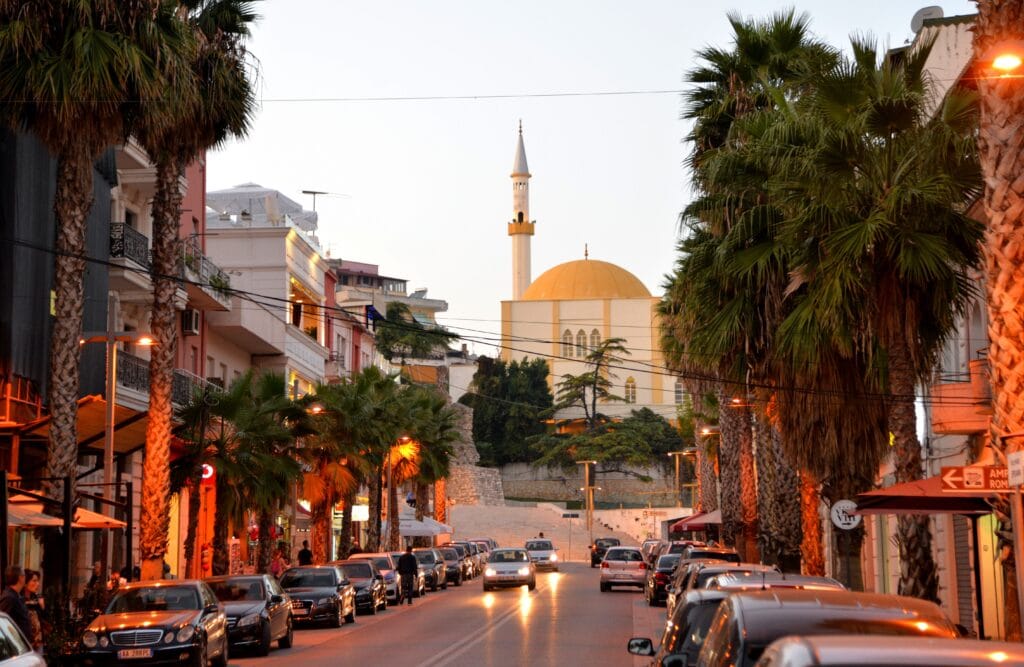
Why this summer: Albania is Europe’s cheapest coastline according to available data. PriceLabs August figures place average nightly accommodation at €89 in Albania, versus €212 in Croatia and €127 in Montenegro. BBC Travel’s April 2026 feature confirmed Albania’s inclusion in the underrated summer 2026 conversation based on its combination of sandy Ionian beaches, Roman-era ruins, and multi-day hiking access, all within an infrastructure that hasn’t yet been priced up for mass tourism.
What to do:
- Butrint National Park and Archaeological Site – a UNESCO-listed site in the far south near Saranda, containing Greek, Roman, Byzantine, and Venetian ruins layered across a 2,500-year occupation. Entry: ALL 500 (~€5). Open daily 8 AM – 8 PM in summer. Accessible on foot from the park entrance in about 2 hours round-trip.
- Dhermi and Himara beaches – the Albanian Riviera runs approximately 200 km along the Ionian coast. Dhermi is accessible by minibus from Vlora or along the Saranda–Vlora coastal road. Beach access is generally free; sunbed hire runs ALL 500 – 800/day (~€5 – €8).
- Lake Shkoder (Shkodra) – a cross-border lake shared with Montenegro in the north. Rozafa Castle above Shkoder city: entry ALL 500 (~€5), open 8 AM – 7 PM. Lake ferry services to Montenegro (Virpazar): approximately €10 – €15 per person.
Where to stay:
- Budget (under €50/night ~$54): Saranda or Himara – family guesthouses with sea views, prices often negotiable outside peak August.
- Mid-range (€80 – €130/night ~$87–$141): Tirana – a wider range of boutique hotels, well-connected by daily buses to the coast (3 – 4 hrs to Saranda).
- Specific pick: Maritim Hotel Tirana – approximately €90 – €120/night in summer, central location, consistent reviews.
Practical tip: Albania uses ALL (Albanian Lek), not euros, though some tourist businesses accept euros informally. ATMs in Tirana and Saranda are reliable; smaller coastal towns may have only one machine that runs dry on August weekends. Withdraw in Saranda before heading to the smaller Riviera stops.
Solo travel note: Albania is manageable for solo travel on the main tourist circuits, Tirana, Saranda, Butrint, and the Riviera. Solo female travelers report the southern coast as straightforward. Northern mountain areas require more planning and ideally a local contact or organized guided hike if traveling alone.
Montenegro
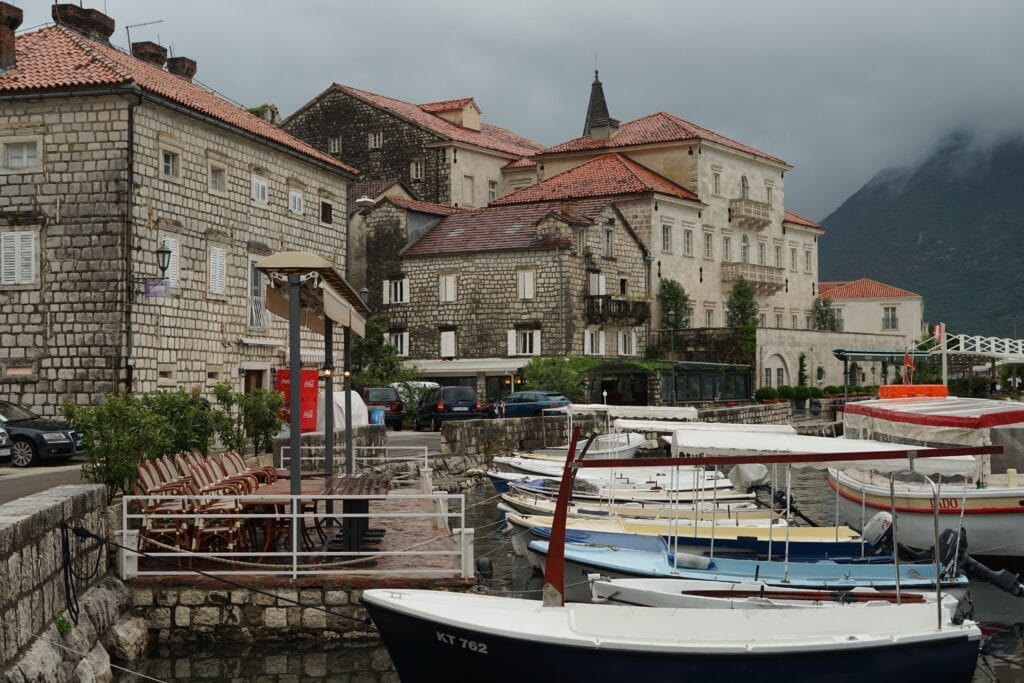
Why this summer: Montenegro occupies the pricing sweet spot between Albania (€89/night) and Croatia (€212/night) at €127/night average. BBC Travel’s April 2026 coverage cited a travel expert describing the water quality as among the clearest encountered in European coastal travel. For travelers who want the Adriatic without Dubrovnik’s €200+/night hotel rates and 10,000-person cruise ship days, Montenegro is the direct, data-supported alternative.
What to do:
- Kotor Old City – a UNESCO-listed medieval walled city at the head of a fjord, like a bay. Entry to the old city is free; San Giovanni Fortress walls cost €8. Best climbed before 9 AM or after 5 PM — cooler conditions and fewer people on the 1,355 steps.
- Durmitor National Park – in the northern mountains, covering 390 km². Entry €5 per person/day. The Black Lake (Crno jezero) is a 15-minute walk from the Žabljak town center. White, water rafting in the Tara Canyon (1,300 m deep, the second deepest canyon in the world) runs approximately €35–€60 per person for a full-day trip.
- Sveti Stefan – a 15th-century islet village now operated as Aman Sveti Stefan. The exterior and bay are visible from the public road above at no cost. The adjacent Miločer beach charges approximately €5–€10 for access.
Where to stay:
- Budget (under €70/night ~$76): Dobrota or Risan on Kotor Bay – local apartments and guesthouses, 5–10 minutes by car from Kotor old city.
- Mid-range (€100–€180/night ~$109–$195): Budva – more commercial beach resort atmosphere, better for nightlife and a younger crowd.
- Specific pick: Hotel Cattaro, Kotor Old Town – inside the medieval walls, approximately €130–€160/night in summer.
Practical tip: Tivat Airport (TIV) is 8 km from Kotor; Podgorica Airport (TGD) is 90 km away. Ryanair and Wizz Air both serve Tivat with seasonal summer routes from London, Vienna, and several Eastern European cities. Always check both airports before booking – Tivat frequently undercuts Podgorica on coastal, bound routes by €20–€40.
Solo travel note: Montenegro is straightforward for solo travel. Kotor Old Town is compact, safe, and has a well-established independent traveler community. Budva is livelier and more social. Durmitor is better done as an organized day, trip, or with a guide if solo hiking in the national park, where trail markings are inconsistent in less-frequented areas.
Tbilisi, Georgia
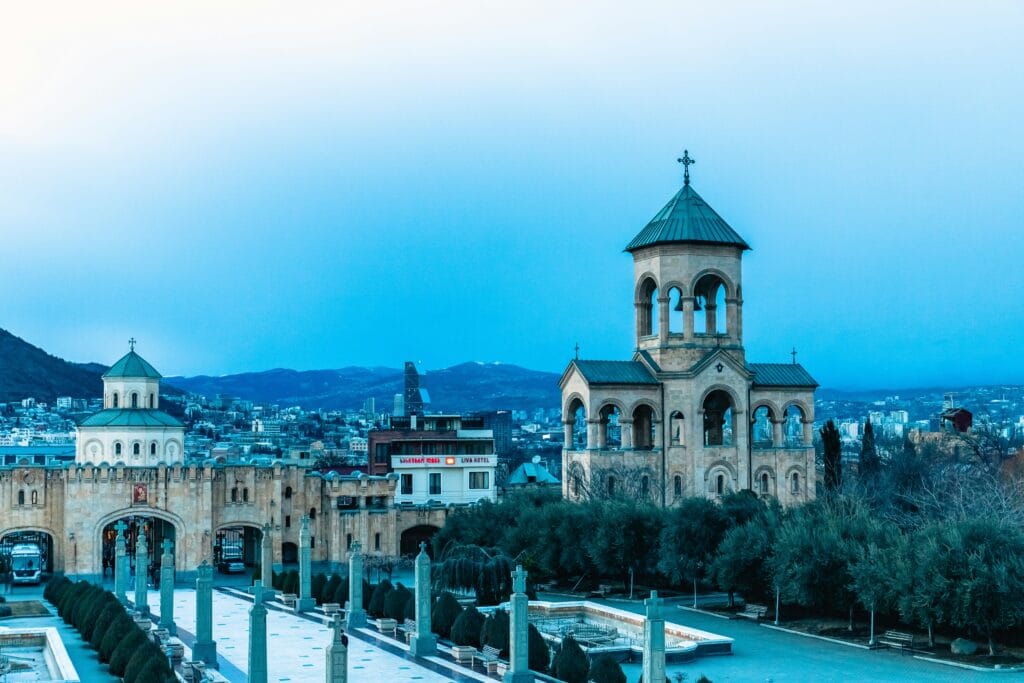
Why this summer: Tbilisi is up 145% in UK summer searches per Expedia’s 2026 data — Expedia specifically calls out “affordable luxury, historic charm, and a thriving food scene” as the drivers. Georgia sits outside the Schengen Area and is not part of the EU, which keeps it outside the pricing premium that comes with mainstream European tourism. A mid-range hotel in the old town runs approximately $80–$120/night. A three-course dinner with Georgian wine at a solid mid-market restaurant: $15 – $25 per person.
What to do:
- Narikala Fortress and Old Tbilisi – the 4th-century fortress overlooks the old city from above the Mtkvari River gorge. Free to access at all hours. The adjacent Botanical Garden of Tbilisi: entry GEL 5 (~$2), open daily 10 AM – 8 PM in summer. The old town below Abanotubani sulfur bath district and Shardeni Street is free to walk and covers 2 – 3 hours on foot.
- Georgian National Museum – Rustaveli Avenue, Tbilisi. Entry GEL 15 (~$6) for the main building. Open Tuesday – Sunday, 10 AM – 6 PM. The gold and jewelry treasury (separate ticket, GEL 10 ~$4) holds 5,000, year, old artifacts from the South Caucasus, some of the oldest metalwork in the world.
- Narikala Cable Car – connects Rike Park on the river to Narikala Fortress above. One way: GEL 2 (~$0.70). Operates 10 AM – 10 PM in summer. The view over old Tbilisi from the upper station is the most practical orientation point in the city for a first-time visitor.
- Mtatsminda Funicular – departs near Freedom Square, ascends to the Mtatsminda plateau at 770 m above the city. Round-trip GEL 10 (~$4). The panoramic view of the Caucasus range behind the city at sunset is the clearest at the upper station between 7 and 9 PM in summer.
Where to stay:
- Budget (under $60/night): Fabrika Hostel, Tbilisi – a converted Soviet sewing factory turned creative hub in the Chugureti district. Dorms approximately $15/night, private rooms from $45.
- Mid-range ($80–$130/night): Old Tbilisi district (Abanotubani) – sulfur bath proximity, wooden, balconied guesthouses converted to boutique hotels.
- Specific pick: Rooms Hotel Tbilisi, Rustaveli Avenue – a design hotel in a converted Soviet, era publishing house, approximately $120–$180/night in summer.
Practical tip: Tbilisi International Airport (TBS) receives direct flights from Vienna (Austrian Airlines), Istanbul (Turkish Airlines, multiple daily), Warsaw (LOT), and several European hubs. The airport metro runs directly to Liberty Square in the city center in 35 minutes for GEL 1 (~$0.40). Use the Bolt app for taxis: $8–$12 to the center. Avoid unmarked taxis at the arrivals hall — they quote $25–$40 for the same journey.
Solo travel note: Tbilisi has an unusually strong solo travel reputation for the South Caucasus. The Fabrika district has a young international backpacker community, English is widely spoken in the old town and tourist areas, and the city center is walkable and well-lit at night. Female solo travelers consistently rate Tbilisi as one of the most welcoming cities in the broader region.
Cooler Alternatives: Best European Destinations to Escape the Heat in Summer 2026
For travelers planning July – August trips and wanting to avoid 38°C Southern European temperatures, these three destinations offer a genuine European summer without the heat index problem.
Oulu, Finland
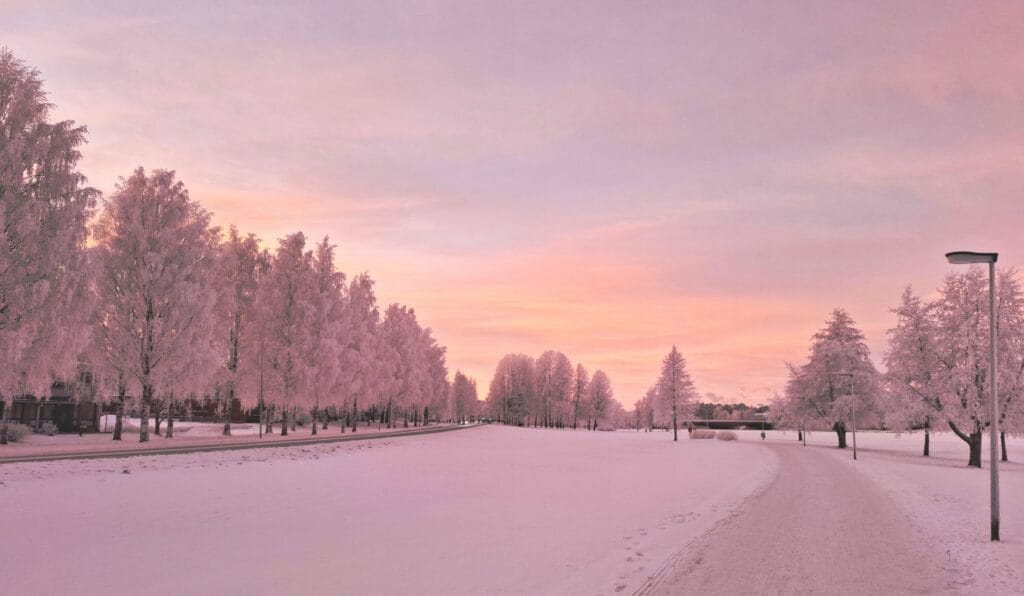
Why this summer: Oulu is the single most-mentioned European destination across 10 major 2026 travel publications, per a Euronews consensus roundup. That level of editorial convergence reflects genuine momentum, not a single viral article. Oulu offers near 24-hour daylight (it sits at 65°N latitude), a strong solo travel profile, and prices 30–40% below Helsinki for comparable accommodation.
What to do:
- Nallikari beach – a white sand beach 5 km from Oulu city center. Free access. Reachable by city bus or bicycle rental (~€10 – €15/day). Average July temperature: 20°C, with evenings staying light past midnight.
- Tietomaa Science Museum – Finland’s largest science center, with over 150 interactive exhibits. Entry €19.50 adults, €16 children. Open daily 10 AM – 6 PM in summer. The 4D cinema and 360° observation tower are included in the ticket.
- Oulu Market Hall (Kauppahalli) – a late 19th-century market hall selling local fish (muikku, smoked salmon), cloudberries, and Finnish design goods. Open Monday – Friday 8 AM – 5 PM, Saturday 8 AM – 3 PM. Lunch at the market café runs approximately €10 – €14.
Where to stay:
- Budget (under €70/night ~$76): Oulu Hostel or Scandic budget rooms approximately €55 – €70/night in summer.
- Mid-range (€100 – €150/night ~$109–$163): Radisson Blu Hotel Oulu central city, approximately €115–€145/night.
- Specific pick: Hotel Lasaretti, Oulu, in a former hospital building on the Oulujoki River, approximately €120 – €160/night.
Practical tip: Oulu Airport (OUL) receives direct flights from Helsinki (Finnair, ~55 min, from €49 one, way) and seasonal European connections. The Kaupunkipyörät city bike scheme runs from May to October at approximately €3/day across 600+ km of cycling paths.
Solo travel note: Oulu is the most straightforward solo destination on this list. It is compact, extremely safe, English-speaking, and the cycling infrastructure means getting around without a car or guided tour is genuinely easy. Recommended as an entry point for travelers new to Nordic solo travel.
Edinburgh, Scotland
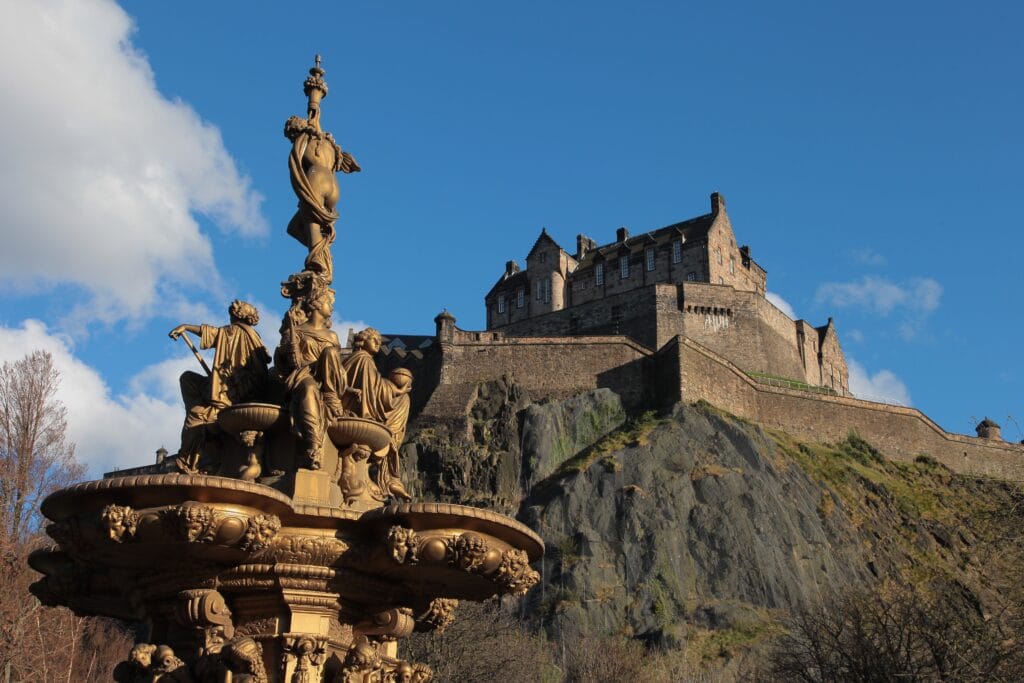
Why this summer: Edinburgh’s average July temperature is 18°C, approximately 20 degrees below Madrid’s July average of 38°C. The Fringe Festival runs August 2 – 25, 2026, and is the largest arts festival in the world by event volume, with approximately 3,000 shows across 250+ venues, the majority free or under £15. The Points Guy flagged Edinburgh as a top cool, climate European summer pick for 2026.
What to do:
- Arthur’s Seat – an extinct volcano in Holyrood Park, 2 km from the Royal Mile. Free access at all hours. Summit hike: 45 – 75 minutes from the park entrance. Views on a clear day extend to the Firth of Forth and Fife coastline.
- National Museum of Scotland – Chambers Street, Edinburgh. Free entry. Open daily 10 AM–5 PM. Covers Scottish history from geological formation through the 20th century; includes the Dolly the Sheep exhibit.
- Edinburgh Castle – above the Royal Mile. Entry £22 adults, £13 children. Book online to avoid queues. Open daily 9:30 AM – 6 PM in summer. The One O’Clock Gun fires Monday – Saturday at 1 PM from the Half Moon Battery.
Where to stay:
- Budget (under £70/night ~$89): Smart City Hostel or Code Hostel, Old Town – dorms from £22 – £35, private rooms from £60.
- Mid-range (£120 – £200/night ~$152 – $254): New Town or Leith is quieter than Old Town, with excellent restaurant access.
- Specific pick: The Rutland Hotel, West End boutique property with rooftop bar, approximately £140 – £190/night in summer.
Practical tip: If you haven’t booked Edinburgh accommodation for the August Fringe yet, check Airbnb in Leith — it’s 2.5 km from the center via the Number 12 or 16 bus (£2/journey), runs 30–50% below Old Town prices on equivalent stays, and still has availability where the Old Town does not. Book this week rather than next — Leith availability narrows significantly by mid, June.
Solo travel note: Edinburgh is among the most solo-friendly cities in the UK. The old town is compact and walkable, the hostel scene is well-established, and Fringe events are structured precisely for solo attendance. Most shows are 60 minutes or under and require no companion to enjoy. The Number 16 night bus covers the main late evening routes for returns from Leith or the Grassmarket area.
Bosnia and Herzegovina
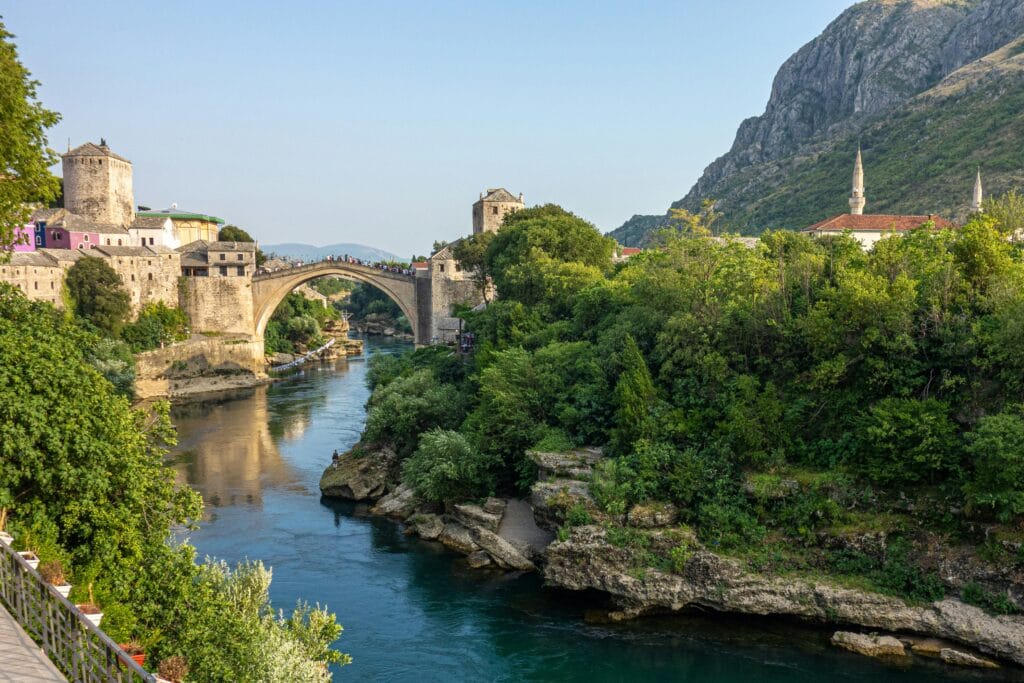
Why this summer: Bosnia and Herzegovina appeared on The Partying Traveler’s verified May 2026 list of top underrated European summer picks, alongside Albania, Romania, Montenegro, and Slovenia. It remains outside the Schengen Area, uses the Convertible Mark (BAM, pegged at 1.955 BAM = €1), and has none of the overtourism congestion of Western European cities. A well-rated family pension with breakfast in Mostar or Sarajevo runs approximately BAM 60–90/night (~€30 – €46).
What to do:
- Stari Most (Old Bridge), Mostar – the 16th-century Ottoman bridge reconstructed after 1993, UNESCO-listed. Free to walk across at any time. Old Bridge Museum at the north tower: BAM 12 (~€6), open 9 AM–9 PM in summer. Trained divers jump from the bridge as a local tradition; organized dives through local clubs run approximately BAM 60 – 100 (~€30 – €50).
- Sarajevo Old Town (Baščaršija) – the Ottoman bazaar district covering approximately 1 km², free to walk. Gazi Husrev, beg Mosque (1531, one of the finest Ottoman mosques in the Balkans): free entry except during prayer times, modest dress required. Sarajevo Tunnel Museum: BAM 12 (~€6), open 9 AM – 5 PM.
- Kravice Waterfalls – travertine falls on the Trebižat River, approximately 40 km west of Mostar. Entry BAM 10 (~€5). Open daily June – September. Swimming in the pool below the falls is permitted. The site is very busy by 11 AM on weekends, targeting the 9 AM opening.
Where to stay:
- Budget (under €45/night ~$49): Mostar or Sarajevo family-run pensions – BAM 60 – 90/night (~€30 – €46) including breakfast.
- Mid-range (€70 – €120/night ~$76 – $130): Sarajevo city center boutique hotels – Pansion Villa Orient runs approximately €80 – €100/night in summer.
- Specific pick: Hotel Mepas Mostar – modern hotel near the old city, approximately €85 – €110/night.
Practical tip: Sarajevo International Airport (SJJ) receives flights from Vienna (Austrian Airlines), Istanbul (Turkish Airlines), and several European cities. Intercity buses from Sarajevo to Mostar take 2.5 hours and cost BAM 18 – 25 (~€9 – €13), with departures roughly every 2 hours from 7 AM from Sarajevo Main Bus Station. A rental car (~€35 – €50/day from Sarajevo) is more efficient if combining Kravice Waterfalls, Mostar, and the coast in one loop.
Solo travel note: Sarajevo is well-suited for solo travel – compact old town, an active café culture friendly to solo diners, and a growing number of international, standard guesthouses. Mostar is small and entirely walkable. Solo female travelers report both cities as comfortable; outside main towns, English reliability drops, and more planning is needed.
Getting There & Getting Around
| Destination | Main Entry Airport | Avg Round,Trip Airfare from London (EUR approx.) | Key Local Transport |
| Sardinia, Italy | Cagliari (CAG) / Olbia (OLB) / Alghero (AHO) | €130 – €300 | Car hire is essential outside cities; rural bus coverage is limited |
| Crete, Greece | Heraklion (HER) / Chania (CHQ) | €100 – €240 | KTEL intercity buses (reliable, cheap); car hire recommended for the eastern island |
| The Peloponnese, Greece | Athens (ATH) + bus/car transfer | €90 – €200 to Athens; add €15 – €35 KTEL bus | KTEL buses from the Athens Kifissos terminal; car hire strongly recommended |
| Slovenia | Ljubljana (LJU) | €90 – €200 | GoOpti shuttle from airport €9 (pre,book online); intercity trains + buses; cycling in Ljubljana |
| Albania | Tirana (TIA) | €100 – €220 | Intercity furgons (shared minibuses); ask the guesthouse for current coastal routes |
| Montenegro | Tivat (TIV) / Podgorica (TGD) | €110 – €240 | Car hire recommended; coastal buses from Budva/Kotor available |
| Tbilisi, Georgia | Tbilisi International (TBS) | €130 – €280 | Airport metro to Liberty Square: GEL 1 (~$0.40), 35 min; Bolt app taxis $8 – $12 |
| Oulu, Finland | Oulu (OUL) | €110 – €220 | Kaupunkipyörät city bikes €3/day; city buses; walkable city center |
| Edinburgh, Scotland | Edinburgh (EDI) | €45 – €155 | Airport tram £8.50 to Princes Street; Lothian Buses day ticket £4.50 |
| Bosnia & Herzegovina | Sarajevo (SJJ) | €110 – €250 | Intercity buses to Mostar BAM 18 – 25 (~€9 – €13); car hire recommended for rural areas |
Season by Season: What to Actually Expect This Summer
Sardinia, Italy
July – August: 29 – 32°C on the coast. Accommodation prices peak in August at 30 – 40% above June rates. All major beaches and archaeological sites reach maximum density on weekends. June is the best value window: 25 – 28°C, lighter crowds, lower prices on car hire and accommodation.
Crete, Greece
July – August: 28 – 32°C, very dry. Samaria Gorge reaches capacity on August weekends. May and June suit hiking, focused trips better. The eastern coast (Elounda, Agios Nikolaos) is consistently less crowded than Heraklion or Chania throughout the whole summer.
The Peloponnese, Greece
Late June – September: 26 – 34°C inland, slightly cooler on the coast. The Peloponnese Trail has the longest usable light window in July – August, but the most heat exposure on exposed ridges. September is objectively the best month: warm sea, 5 – 8°C cooler days, almost no tour groups, and accommodation 20 – 30% below August rates.
Slovenia
June – September: 22 – 27°C in Ljubljana; 18 – 24°C in the mountains. Soča Valley water temperature peaks for swimming in late July. Lake Bled accommodation fills fast in July – August, book 6 – 8 weeks ahead. June has the least rain of the summer months.
Albania
July – August: 28 – 33°C on the Riviera, with consistent afternoon sea breezes along the southern Ionian coast. Domestic tourism peaks in the second half of August. Early July and early September offer the same weather with fewer crowds and unchanged low prices.
Montenegro
July – August: 28 – 31°C on the coast; significantly cooler in Durmitor (18 – 24°C). Budva’s beaches are at maximum density in August. Kotor Bay is more sheltered and hotter than the open coast, but with more historic sites within walking distance. Northern Montenegro (Durmitor, Tara Canyon) is a cooler, active alternative to the coast in peak summer.
Tbilisi, Georgia
July – August: 27 – 32°C average in the city, with low humidity compared to Mediterranean coastal destinations. This is the driest stretch of the Tbilisi year. The old town and the cable car to Narikala are best covered before 10 AM or after 6 PM to avoid peak heat. The Kazbegi mountain town (2,200 m elevation, 3 hours by marshrutka from Tbilisi’s Didube station) is a popular same-day or overnight escape for cooling down, with average summer highs of 18 – 22°C.
Oulu, Finland
June – August: 17 – 22°C average, with peaks occasionally hitting 28°C. Daylight extends past 11 PM in June – July. Mosquitoes are intense near water mid, June through July, bring DEET. August is warmer and has fewer mosquitoes. Cycling infrastructure is best used from June to August when paths are dry.
Edinburgh, Scotland
July – August: 16 – 19°C average. Rain is possible any month a waterproof shell jacket is not optional. Fringe Festival (August 2 – 25) transforms the city; accommodation becomes limited and expensive. June offers better weather probability and far fewer crowds than August.
Bosnia & Herzegovina
July – August: 26 – 30°C in Mostar (inland valley, can feel hotter); 24 – 28°C in Sarajevo. Kravice Waterfalls are busiest on August weekends; a Tuesday or Wednesday morning visit is significantly more pleasant. Mountain areas around Sarajevo remain cool and accessible for day hikes throughout summer.
Budget Planning: What Summer 2026 in Europe Actually Costs (USD)
Budget tiers below are representative across the full destination list. Tbilisi and Bosnia skew toward the lower end; Sardinia and Edinburgh Fringe skew toward the upper end of each range.
| Expense | Budget | Mid-Range | Luxury |
| Accommodation (per night) | $45–$75 (Albania, Bosnia, Tbilisi, Oulu) | $120–$190 (Slovenia, Crete, Montenegro) | $280–$500+ (Sardinia peak, Edinburgh Fringe, Peloponnese boutique) |
| Meals (per day) | $50–$80 (mid-range restaurants) | $50–$80 (mid-range restaurants) | $120–$200+ (fine dining) |
| Local transport (per day) | $3–$8 (bus/metro/bike) | $15–$30 (car share, private transfers) | $50–$120 (private driver) |
| Top attraction entry (each) | $0–$8 (national parks, free museums) | $12–$20 (major sites, guided access) | $40–$100 (premium guided tours) |
| Estimated daily total | $70–$120 | $200–$320 | $500–$850+ |
Money, saving specifics:
- Albania vs Croatia: Switching your Adriatic beach destination from Croatia (avg €212/night) to Albania (avg €89/night) saves approximately €860 on a week’s accommodation alone, the equivalent of a return flight from London to the US East Coast.
- Tbilisi vs Barcelona: A mid-range hotel in Tbilisi’s old town runs $80–$120/night versus €150–€220/night for an equivalent property in Barcelona’s Gothic Quarter. A three-course dinner with wine in Tbilisi: $15–$25. In Barcelona: €40–€70.
- June 12 flights: Expedia identifies this as the cheapest day to fly in summer 2026. Booking any destination for arrival around this date versus July 19 or 26 reduces airfare by 25–40% on the same routes.
- Oulu vs Helsinki: Oulu runs 30–40% below Helsinki on equivalent accommodation while offering the same Finnish summer experiences — midnight sun, cycling, lakes, excellent fish markets. A mid-range hotel night in Helsinki runs €140–€200; in Oulu, it runs €100–€150.
- Athens bypass for the Peloponnese: Fly into Athens, skip staying there (€120–€200/night in summer), and take the KTEL direct bus to Nafplio (3.5 hrs, €15–€20) the same afternoon.
Practical Travel Tips for European Summer Travel 2026
- Book Sardinian car hire by April — if you’re reading this in June, check availability immediately. Rental inventory in July–August is exhausted on the island by May. After June, expect to pay €80–€120/day for a standard category or find nothing at smaller coastal depots.
- For Edinburgh in August, check Airbnb in Leith first — 2.5 km from the center via the Number 12 or 16 bus (£2/journey), running 30–50% below Old Town prices on equivalent stays. Book this week — Leith availability narrows significantly by mid, June.
- Albania ATMs: Withdraw enough in Tirana or Saranda to cover 2–3 days on the Riviera. Some towns between Dhermi and Himara have only one machine, which runs dry on August weekends.
- Tbilisi airport metro: The TBS airport metro costs GEL 1 (~$0.40) and runs to Liberty Square in 35 minutes. Avoid unmarked taxis at arrivals — they quote $25–$40 for the same journey the Bolt app completes for $8–$12.
- Samaria Gorge one-way logistics: The hike ends at Agia Roumeli, accessible only by sea. Ferries to Sfakia depart approximately every 2 hours; the last ferry runs at around 6 PM. Do not start the hike after 10 AM unless you’re comfortable spending the night in Agia Roumeli.
- Tivat Airport (Montenegro) vs Podgorica: If your destination is Kotor Bay or Budva, Tivat (TIV) is 8 km away — Podgorica is 90 km. Always check both airports; seasonal Ryanair and Wizz Air routes to Tivat frequently undercut Podgorica by €20–€40.
- Riga Jāņi planning (June 23–24): Most government offices, many banks, and some supermarkets close. Stock up on supplies on June 22 if you need to self-cater during Latvia’s midsummer festival.
- Oulu midnight sun cycling: The Kaupunkipyörät city bike app covers the center for ~€3/day. For longer routes — airport to Nallikari beach is 9 km — a local shop rental runs €15–€20/day. The cycling paths are asphalt, surfaced, and lit; they are perfectly usable at 11 PM in June.
- Bosnia night bus timing: The last comfortable Sarajevo to Mostar bus connection runs around 7–8 PM in summer. Day buses depart every 2 hours from approximately 7 AM from Sarajevo Main Bus Station, around the corner from the Baščaršija entrance.
- Peloponnese September advantage: If your summer flexibility extends to September, the Peloponnese offers sea temperatures of 24–25°C, daytime highs 5–8°C below July peaks, no tour groups at Mystras or Monemvasia, and accommodation rates 20–30% below August highs. It is a meaningfully different experience from high summer at the same sites.
Frequently Asked Questions
The Peloponnese (Greece), Oulu (Finland), Tbilisi (Georgia), and Albania are all consistently cited in 2026 travel publishing as destinations with strong infrastructure and low crowd density relative to their quality. The Peloponnese has a new 1,730 km hiking trail and ancient sites operating at a fraction of Athens’ foot traffic. Oulu was the most-cited European destination across 10 major 2026 publications without approaching mass-market visitor numbers. Tbilisi sits outside the EU overtourism conversation entirely, with mid-range accommodation at $80–$120/night.
Albania is consistently rated as safe for independent travelers by BBC Travel and major 2026 travel publications. Standard urban precautions apply in Tirana. The Riviera coast and Saranda are well-established on the independent travel circuit. Most EU, UK, US, Canadian, and Australian government travel advisories carry no elevated warning for tourist areas. The primary practical risks are infrastructure gaps: irregular bus schedules, limited ATMs in smaller coastal towns, and variable road quality in the north. Confirm your government’s current advisory before travel.
Greece, Slovenia, and Finland are Schengen Area countries; one visa covers all. Albania, Montenegro, Bosnia and Herzegovina, and Georgia are all outside the Schengen Area. Most EU, UK, US, Canadian, and Australian passport holders enter Albania, Montenegro, and Bosnia visa-free for up to 90 days; Georgia offers visa-free access for 90+ nationalities. Always verify current entry requirements with the official embassy or consulate of each country before travel rules can and do change
Expedia identifies June 12 as the cheapest day to fly in summer 2026. The most expensive days are July 19 and July 26. On a like-for-like route, the difference can be 25–45% in airfare cost. Booking for a June 12 arrival, or at a minimum avoiding the last two weeks of July, is the most reliable cost-reduction lever available on flights.
Based on PriceLabs August data (€89/night average accommodation), a 7-night trip at a mid-budget level runs approximately: €623 accommodation + €175 food (€25/day) + €50 local transport + €30 entry fees = roughly €880–€950 in-country, excluding flights. This compares to approximately €1,750–€2,100 for an equivalent week in Croatia, based on Croatia’s €212/night average.
Yes. A mid-range hotel in Tbilisi’s old town runs $80–$120/night. A three-course dinner with Georgian wine at a solid restaurant costs $15–$25 per person. The airport metro costs GEL 1 (~$0.40). Museum entry averages $3–$6. A full day in Tbilisi accommodation, two meals, transport, and one museum costs $60–$90 at mid-range. That is equivalent to a budget day in Edinburgh or a cheap night in Barcelona.
Solo travel carries a single-supplement penalty at traditional hotels. The most effective workaround is guesthouses, boutique hotels priced by room rather than occupancy, and hostels. Ljubljana’s Celica Hostel charges €30–€45 for dorms and €80 for private rooms. Tbilisi’s Fabrika Hostel has private rooms from approximately $45. Riga and Oulu both have strong solo-traveler infrastructure with daily budgets achievable at $80–$110, including food, transport, and entry fees.
KTEL intercity buses from Athens’ Kifissos Bus Terminal connect to Nafplio (3.5 hrs, €15–€20) and Kalamata (4 hrs, €22). Within the region, local KTEL routes run 2 – 4 departures per day on main routes. For visiting Mystras, Ancient Olympia, and Monemvasia in one trip, a rental car from Nafplio (~€35–€55/day) is significantly more practical. Missing the last local bus means either a taxi or an unplanned overnight stay. KTEL schedules are reliable but entirely inflexible.
Yes, with specific expectations. Oulu is Finland’s fifth-largest city (240,000 people), not a wilderness retreat. Its summer appeal is near-midnight daylight, 600+ km of cycling paths, a compact walkable center, and prices 30–40% below Helsinki. It’s a city-break destination with strong outdoor day-trip access — Nallikari beach, cycling to the Oulujoki delta islands — not a base for mountain hiking. For the Finnish fells and trekking, Lapland or the Ylläs area requires a separate flight north.
Sarajevo to Mostar by intercity bus takes 2.5 hours and costs BAM 18–25 (~€9–€13), with departures roughly every 2 hours from 7 AM from Sarajevo Main Bus Station. Mostar to Neum (Bosnia’s Adriatic coast strip): approximately 1.5 hours by bus, BAM 12–15 (~€6–€8). A rental car from Sarajevo (~€35–€50/day) provides significantly more flexibility for this route, especially if combining Kravice Waterfalls, Mostar, and Neum in one loop.