
Phuket logged over 10 million international visitors in 2023. The Greek islands collected more than 32 million. The Amalfi Coast in peak July looks less like a coastline and more like a queue. Meanwhile, a small island in Phang Nga Bay received a fraction of Phuket’s footfall, a freshwater lagoon in southern Mexico was labelled by Lonely Planet as “more out of Photoshop than anything real life could hold,” and a coastal town in Mozambique, gateway to an archipelago of uninhabited sandbar islands in the Indian Ocean, sits at the tail end of most European travelers’ radar entirely.
This article profiles three underrated beach destinations outside Europe with verified visitor data, honest weather caveats, and granular logistics. Two of the three are in their rainy season during Northern Hemisphere summer, with real trade-offs. One is in its peak dry season. Two of the three have accommodation available for under $100 per night; Vilanculos sits higher due to logistics, but delivers stronger value for the price than comparable Indian Ocean alternatives. None of them has broken into major package holiday markets or mainstream “Top 10” destination lists right now, which is exactly the point.
1. Koh Yao Noi, Thailand
Why It’s Underrated
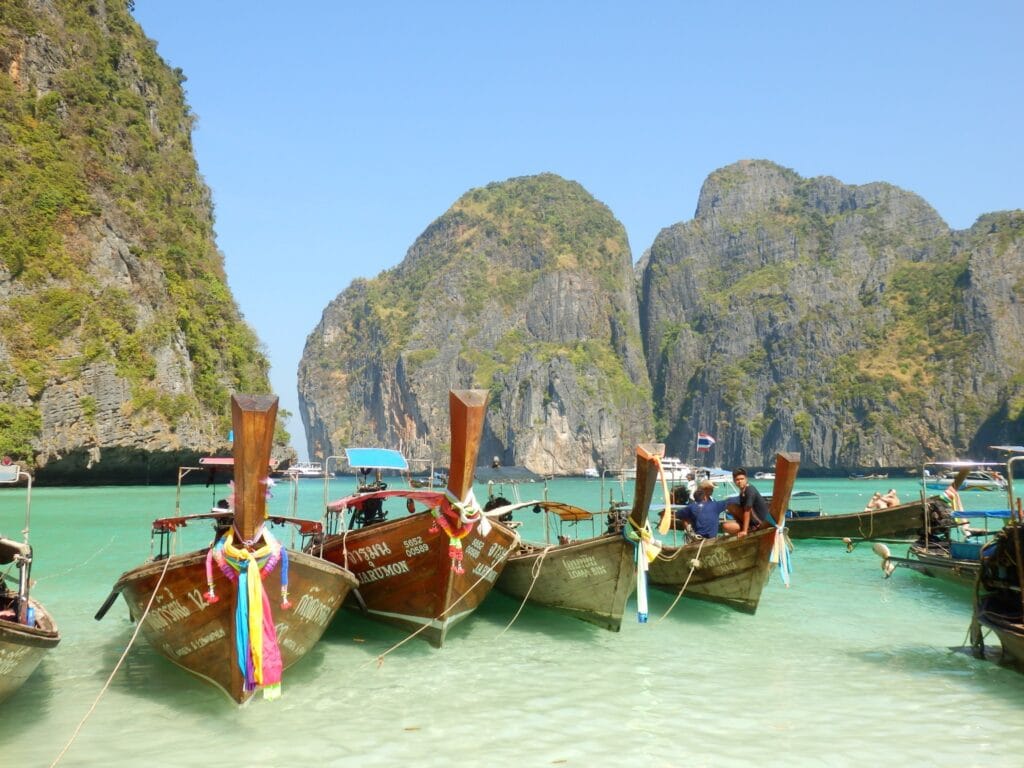
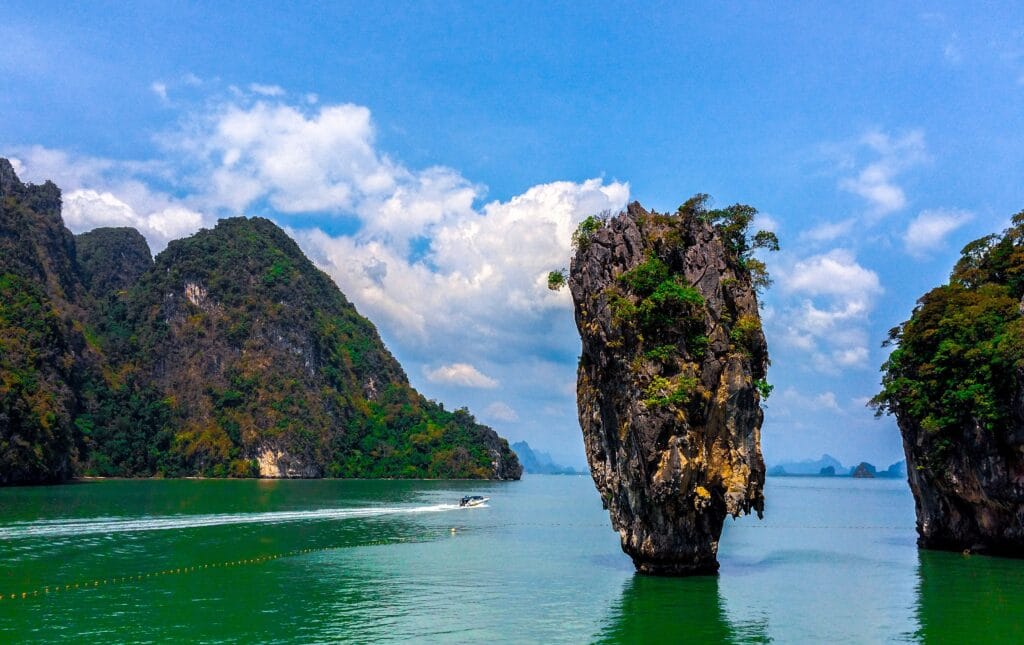
Koh Yao Noi sits in Phang Nga Bay, positioned almost exactly between Phuket and Krabi, two of Thailand’s most overtouristed islands, yet draws a small fraction of their combined visitor volume. Phuket’s international arrivals exceeded 10 million in 2023; Koh Yao Noi has no published official count, but travel operators and hospitality data consistently describe it as a low-volume destination. The island has no beach clubs, no go-go bars, no chain hotels, and no car ferry from Phuket’s main Rassada Pier. The infrastructure gap that has kept it quiet is precisely what makes it worth visiting. BBC Travel has featured it, and 2026 YouTube travel content continues to call it “Thailand’s best-kept secret,” but unlike Phuket or Krabi, it has not appeared on any major “Top 10 Thailand” lists or entered the mainstream package holiday market in the past two years.
What Makes It Worth the Trip
The island’s coastline is varied and unhurried. Pasai Beach, Long Beach, Little Long Beach, Tha Khao Beach, and Klong Jark Beach are all accessible without the vendor pressure or sunbed-rental economy of Phuket. The water visibility in Phang Nga Bay is strong enough for snorkelling directly from shore at several locations, and longtail boat tours to limestone karsts, the same formations that draw millions to Phi Phi and Railay, are bookable here for a fraction of the price, without the ferry crowds.
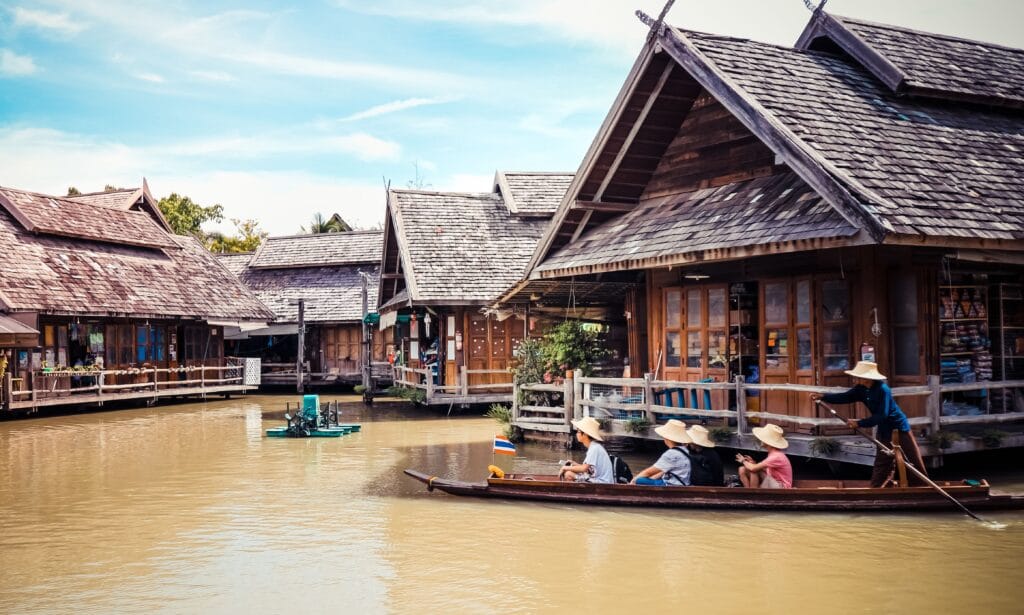
Beyond the beach, the island has a functioning Muslim fishing village economy. Cyclists can complete a full loop of the island’s perimeter in a half-day. Kayaking into mangrove channels, hiking to viewpoints, and taking Thai boxing introductory classes are all available through local operators. The Six Senses Yao Noi resort on the island provides a luxury anchor; its presence signals quality without that quality having spread into commercial overdevelopment.
June through August is Koh Yao Noi’s green season: monsoon shoulder, with lush jungle interiors, lower prices across the board, and dramatically fewer visitors. June averages approximately 21 rain days; August is similar. July is the meaningful exception, averaging only around 8 rain days, making it statistically the driest window within the monsoon period. If you are committed to a summer visit, plan around July. Mornings are generally calm and clear; afternoon squalls are the pattern when they do arrive. Recent traveller reports from April 2026 describe the June – August period as “a mix of sunshine and light rain, with fewer tourists and lower prices.”
At a Glance
| Detail | Info |
| Best time to visit | January – April (dry season); July if visiting in summer (fewest rain days in green season) |
| Average daily budget | $50 – 90 USD (mid-range); $150+ (luxury) |
| Getting there | Fly to Phuket (HKT), transfer to Ao Por Grand Marina or Bang Rong Pier, then 15–30 min speedboat to Manoh Pier |
| Visa requirement | 60-day visa-exempt entry for most Western and many Asian passport holders; e-Visa available |
| Language | Thai and English are spoken at most tourist-facing businesses |
| Currency | Thai Baht (THB) |
| Closest famous alternative | Phuket, Thailand (30 – 45 min by speedboat) |
Getting There: Practically Speaking
Fly into Phuket International Airport (HKT), which is served by direct flights from Bangkok (both Suvarnabhumi and Don Mueang), Singapore, Kuala Lumpur, Hong Kong, and multiple European cities via connecting hubs. From the airport, take a taxi or pre-arranged transfer (~20 minutes) to Ao Por Grand Marina or Bang Rong Pier. From there, a speedboat to Manoh Pier on Koh Yao Noi takes 15 – 30 minutes and costs approximately 350–650 THB (~€8.78–€15.39).
Alternatively, from Krabi Airport (KBV), a transfer to Thalane Pier followed by a speedboat (~20 minutes) or longtail boat (~40 minutes) to Tha Khao Pier is available. There is no car ferry between Phuket’s main Rassada Pier and Koh Yao Noi, and no airport on the island itself. Ferries and speedboats are operated by local companies, including Koh Yao Ferry and various longtail operators; booking is advisable in peak season, though green season services run less frequently.
Where to Stay & What It Costs
Budget tier – Anattaya Holiday Home: From ~$19/night (KAYAK, June 2026). Basic bungalow accommodation; fan or air-conditioned rooms; suitable for budget-forward travellers.
Mid-range tier – The Real Escape – Koh Yao Noi: From ~$21–45/night. Private bungalow-style, beach-adjacent properties in this range typically include breakfast and airport transfer add-ons. Multiple boutique resorts cluster around Long Beach and Tha Khao Beach in the $40–80/night range during green season.
Luxury tier – Cape Kudu Hotel: From ~$128/night. A 4-star beachfront property in a quiet bay, noted for sea-view pool and consistent service. The Six Senses Yao Noi operates at the upper end of this market, starting from several hundred dollars per villa per night, a separate category from the mid-range entirely.
One Insider Tip
The speedboat schedule from Phuket’s Bang Rong Pier runs with the last departure typically around 5:00 PM. If your flight lands after 3:00 PM, factor in the airport transfer time, miss the last boat, and you will be paying for a night in Phuket or arranging a private longtail at significantly higher cost. Check the current last-departure time directly with your accommodation before booking late afternoon flights into HKT.
2. Bacalar, México
Why It’s Underrated
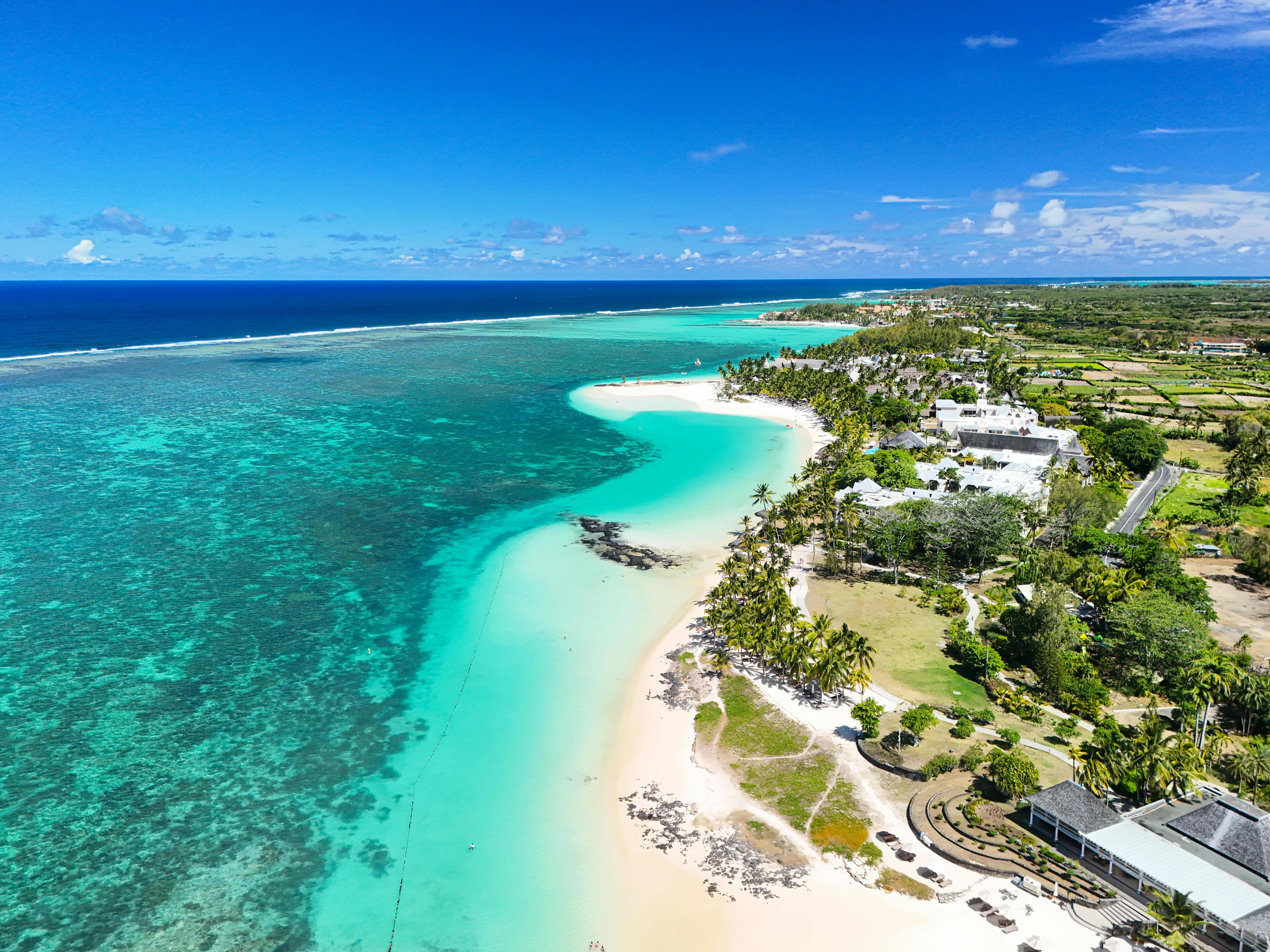
Bacalar is a small town in the state of Quintana Roo, 40 kilometres from the Belize border, and approximately 300 kilometres south of the hotel strip in Cancun. While Cancun’s Hotel Zone processes over 6 million international tourists per year and Tulum has become a cliché in its own right, Bacalar’s 2026 visitor numbers remain a fraction of both. It has appeared on a handful of 2026 “places to go” lists by independent travel creators, but it has not penetrated the mainstream tourism pipeline. Most European package-holiday providers do not list it. It has no international airport. Its accommodation market is still largely boutique, independent, and genuinely affordable by comparison to Tulum. Lonely Planet describes Laguna Bacalar as “more out of Photoshop than anything real life could hold,” a quote that has circulated in travel content without yet translating into mass tourist arrivals.
The critical framing note: Bacalar is not a seaside beach. Laguna Bacalar is a freshwater/brackish lagoon with a white sand bottom that produces multiple shades of blue and green depending on depth and light. Swimming, kayaking, paddleboarding, and boat tours take place on the lagoon. It is visually spectacular, but it is not the Caribbean coast. Travellers expecting ocean surf should know this before booking.

What Makes It Worth the Trip
The lagoon’s visual range is the primary draw. Depending on time of day and position on the water, the colour grades from pale turquoise to deep cobalt to forest green, a function of depth variation over the white sand base. Kayak rentals from waterfront hostels run at around 100–200 MXN per hour (~$5 – 10 USD), making lagoon exploration accessible at any budget.
Beyond the water, Bacalar has a modest colonial-era fort: Fuerte de San Felipe, a 17th-century Spanish fortification built to defend against British pirates operating out of Belize. Entry costs around 80 MXN (~$4 USD). The town’s central square is walkable from most accommodations. Cenote visits to sinkholes fed by underground river systems are accessible by bicycle or a short taxi ride from town. Local boat operators run sunset tours of the lagoon, including the “Canal de los Piratas,” a narrow waterway flanked by mangroves that leads to open water.
Weather in June is the article’s most significant caveat for this destination: June is Bacalar’s rainiest month, averaging 11.5 inches of precipitation. Humidity sits around 67%. Most rain falls in late afternoon and evening, leaving mornings reliably sunny for lagoon activities. Temperatures average a high of 31°C (87°F) with a low of 26°C (78°F). July is meaningfully better: drier, warmer (averaging ~32°C), and described in 2026 travel reporting as one of the least tourist-crowded months of the year, reinforcing the underrated angle. If you are travelling in the Northern Hemisphere summer and want Bacalar at its most practical, July is the month to choose.
At a Glance
| Detail | Info |
| Best time to visit | February – April (dry season); July (driest summer month, very low crowds) |
| Average daily budget | $40 – 80 USD (mid-range); $250+ (luxury lagoon-front) |
| Getting there | Fly to Cancun (CUN); ADO bus direct to Bacalar ~4.5 hours, ~350 – 700 MXN (~$19 – 38 USD); or rent car for ~4-hour Highway 307 drive |
| Visa requirement | 180-day tourist card (FMM) for most Western passport holders; no advance visa required |
| Language | Mexican Peso (MXN); USD is widely accepted in tourist areas |
| Currency | Mexican Peso (MXN); USD is widely accepted in tourist areas |
| Closest famous alternative | Tulum, Mexico (~3.5 hours north) |
Getting There: Practically Speaking
The primary gateway is Cancun International Airport (CUN), one of Mexico’s most connected hubs with direct flights from Europe (London, Madrid, Amsterdam, Paris), the United States, Canada, and South America. From the airport, ADO (the national bus operator) runs direct services to Bacalar departing approximately every hour from 5 AM to 11 PM, costing 350 – 700 MXN (~$19 – 38 USD) for a journey of approximately 4.5 hours. Tickets can be purchased at the airport ADO desk or online at ado.com.mx.
Chetumal International Airport (CTM), approximately 40 km from Bacalar, is a closer option on paper but far less practical. KAYAK data shows fares from Chetumal to Cancun starting around $132 for a round trip, but direct international connections into CTM are extremely limited. Most travellers routing from Europe or the US will find CUN the only viable entry point. A car rental from Cancun (approximately $25 – 50/day for a compact) gives flexibility for cenote detours along Highway 307; a private taxi from Cancun costs upwards of $300 USD and is not recommended.
Where to Stay & What It Costs
Budget tier – Cayuco Maya: From ~$45/night. Simple rooms with air conditioning and WiFi, within walking distance of the lagoon. Representative of the town’s entry-level independent guesthouse offer.
Mid-range tier – Hotel Vista Laguna Bacalar: From ~$85 – 100/night. Lagoon-view rooms, air conditioning, pool, and included breakfast options. Several properties in this range sit directly on the lagoon with private dock access.
Luxury tier — Hotel Rancho Encantado: ~$190/night. Pool, hot tub, rated 9.4/10 on Expedia. Represents the upper end of Bacalar’s current accommodation market before it crosses into private villa territory (~$522+/night for whole-villa rentals).
One Insider Tip
The ADO bus stop in Bacalar is not near the lagoon; it is on the highway, approximately 1.5 km from the centre of town. There are no ride-hailing apps (Uber, Didi) operating in Bacalar as of June 2026; all taxis are unmetered, so negotiate the fare before you get in. A taxi from the bus stop to the lagoon-front area costs around 50 – 80 MXN (~$3 – 4 USD). If arriving by bus after dark, pre-arrange a pickup with your accommodation; most boutique hotels offer this free of charge.
3. Vilanculos, Mozambique
Why It’s Underrated
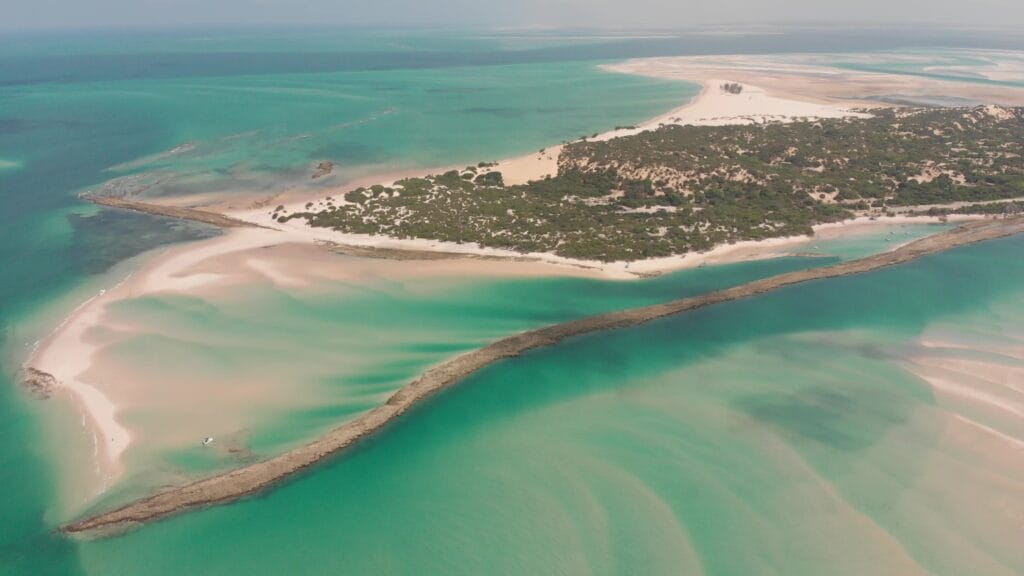
Vilanculos is a small coastal town in Mozambique’s Inhambane Province, sitting on a 2,400-kilometre coastline that receives a fraction of the international attention directed at Kenya’s Diani Beach, Tanzania’s Zanzibar, or the Maldives. It serves as the primary gateway to the Bazaruto Archipelago, a group of five islands (Bazaruto, Benguerra, Magaruque, Santa Carolina, and Bangué) protected by a national park and home to one of the last remaining dugong populations on the Indian Ocean coast. The archipelago’s diving and snorkelling rival conditions found in destinations charging four times the price. Yet Vilanculos appears on almost no mainstream European travel shortlists. It received a Travel + Leisure A-List 2026 endorsement through Timbuktu Travel specialists who feature it as a headline Indian Ocean destination, and it appears on the MoneyControl 2026 hidden gems list, but SERP analysis confirms it has not broken into mainstream “Top Beach” coverage.
The reason it stays quiet is structural. There are no direct long-haul flights into Vilankulo Airport (VNX). Reaching it requires at least one connection, typically via Johannesburg or Maputo. That friction filters out the casual beach tourist and keeps the destination’s character intact.
What Makes It Worth the Trip
The Bazaruto Archipelago’s marine environment is the centrepiece. Snorkelling and diving trips from Vilanculos access coral gardens, manta ray cleaning stations, and humpback whale migration routes (active between June and November). Dolphins are resident year-round. Dugongs, listed as vulnerable globally, are sighted regularly in the shallow seagrass beds between the islands. The dhow sailing tradition is still active: traditional wooden sailboats carry visitors to uninhabited sandbars for full-day island picnics.
On the mainland, Vilanculos itself has developed a dining and café scene that punches above its infrastructure weight, a function of its proximity to South Africa, which supplies a regular weekend charter-flight visitor market. Horse riding along the beach at low tide, paragliding, and kite surfing (best conditions September – February, but possible in June for beginners) are all available through local operators. The town’s fish market runs daily and supplies the restaurants that line the seafront.

For European visitors, June – August is the strongest weather alignment of the three destinations in this article. While Koh Yao Noi and Bacalar are in or near the rainy season during the Northern Hemisphere summer, Vilanculos is in its dry season. June–October is the cool, dry period: clear skies, low humidity, calm Indian Ocean conditions, the opposite of the hot, humid, and stormy December – March period. Temperatures sit in the low-to-mid 20s°C, the sea is calm, and there are almost no other international tourists. This is peak time to be here, and almost nobody in Europe knows it.
At a Glance
| Detail | Info |
| Best time to visit | May- October (dry season); June – August is ideal and coincides with Northern Hemisphere summer |
| Average daily budget | $70 -120 USD (independent traveller); $300 – 400 (lodge/luxury) |
| Getting there | Fly to Johannesburg (JNB) or Nairobi (NBO), connect to Maputo (MPM), then LAM flight to Vilankulo Airport (VNX) ~1h 45m from Maputo; or charter/scheduled service from Johannesburg |
| Visa requirement | E-visa required for most nationalities (mozambiquevisa.gov.mz); US, EU, UK citizens eligible; ~$80 -120 USD |
| Language | Portuguese (official); English is increasingly spoken in tourist areas |
| Currency | Mozambican Metical (MZN); USD is widely accepted in lodges and restaurants |
| Closest famous alternative | Zanzibar, Tanzania (Indian Ocean alternative with far higher international tourist volumes) |
Getting There: Practically Speaking
There are no direct long-haul flights into Vilankulo Airport (VNX). The standard routing for European travellers is: direct flight to Johannesburg OR Tambo (JNB) (served from London, Paris, Amsterdam, Frankfurt, Lisbon, and many others), then a connection to Maputo (MPM), followed by a Linhas Aéreas de Moçambique (LAM) domestic flight to Vilankulo approximately 1 hour 45 minutes from Maputo, with fares starting from ~$180 one-way. The full routing from London adds up to roughly 18 – 22 hours, including connections, with typical multi-city fares ranging from £600 – £900 return depending on season and airline.
An alternative for those entering via southern Africa is the charter flight market from Johannesburg: Airlink and Federal Air operate scheduled and charter services directly to Vilankulo, which can significantly reduce connection time. From Nairobi (NBO), connections via Maputo are available through Ethiopian Airlines and Kenya Airways codeshares. Note: Specific current flight prices and schedules from European hubs were not fully verified at the time of publication. Check Google Flights or Skyscanner for current fares before committing.
Where to Stay & What It Costs
Independent traveller tier – Baobab Beach Resort & Backpackers: From ~$60 – 80/night for a beach cabin (MZN equivalent). Located directly on the beach, with hammocks, staff who organise boat tours, and one of the most consistently praised service teams in town. Represents the accessible end of Vilanculos’ accommodation market. Dona Ana Hotel is a similar entry-level option listed from ~$101/night on Hotels.com.
Mid-range tier – Vilanculos Beach Lodge: From ~$295/night (Agoda average; confirmed B&B rate ~$340/unit from Mozambique Travel 2026 pricing). Rated 9.6/10 (Exceptional) on Expedia. Staff-coordinated activities, airport pickup, and direct beach access included one of the most consistently well-reviewed lodges in the town.
Luxury tier – Bahia Mar Boutique Hotel: From ~$330 – 350/unit per night (January – December 2026 confirmed pricing). Boutique beachfront operation with suites and a beach house. Represents the premium mainland tier before crossing into the archipelago island lodges, which start from $600+/night.
One Insider Tip
The road from Vilanculos town to Villas do Indico (and several other northern lodges) includes 3 km of unpaved sand track that requires a 4×4 vehicle. Standard taxis and rental cars cannot safely complete the route, especially after rain. A transfer in a 4×4 from town costs around $20 USD each way. If you are staying at a lodge north of the town centre, factor this into your daily budget and ask your accommodation whether they include transfers; several lodges include two airport transfers per stay but charge for additional town trips.
How to Choose Between These 3 Destinations
| If you want… | Best choice |
| The lowest total daily budget | Koh Yao Noi – budget bungalows from $19/night, boat access from $9 |
| Easiest to reach from Europe | Bacalar – Cancun is one of Europe’s best-connected transatlantic airports |
| Best food and café scene | Bacalar – established Mexican dining culture, lagoon-front restaurants |
| Fewest tourists in summer | Vilanculos – dry season with minimal international presence June – August |
| Most outdoor and marine activities | Vilanculos – Bazaruto diving, whale watching, kite surfing, horse riding, dhow sailing |
| Best for a long weekend or short trip | Bacalar – no long-haul connection required; reachable in 5 – 6 hours from any European hub via Cancun |
The honest summary: if you are flying from Europe and want the least logistical friction, Bacalar via Cancun is the simplest option. If you have 10+ days and want an Indian Ocean experience that outperforms Zanzibar on value and solitude, Vilanculos is the strongest choice, and June is the right month for it. Koh Yao Noi rewards travellers who time their visit around July’s dip in rainfall and want to pair beach with Thai cultural depth at a price point that remains among Southeast Asia’s most reasonable.
Frequently Asked Questions
Bacalar is a lagoon, technically a mix of freshwater and brackish water, fed by underground cenote systems. There is no ocean surf and no seawater. The water is exceptionally clear, with a white sand bottom that produces vivid blue-to-green gradients depending on depth. Most visitors describe the visual experience as comparable to any beach destination; the absence of waves makes it calmer and safer for kayaking and swimming. Do not book expecting a Caribbean surf break.
Koh Yao Noi’s peak season runs January to April, when the island is at its driest and most photogenic. Even during peak months, visitor numbers are far lower than on comparable Thai islands. There are no beach clubs, no party infrastructure, and accommodation capacity is deliberately limited. The Six Senses Yao Noi resort takes a small number of guests by design. During the green season (June- August), the island is noticeably quiet, with very few international tourists and many guesthouses offering reduced rates.
Zanzibar receives approximately 700,000–900,000 international tourists annually and is well-integrated into European package holiday and charter flight markets. Vilanculos has no direct long-haul flight connections, minimal European tour operator coverage, and a small but growing independent lodge market. Where Zanzibar has Stone Town’s dense tourism infrastructure, Vilanculos has a functioning fishing town and access to a national-park-protected archipelago with dugongs, humpback whales, and manta rays at considerably lower prices for equivalent quality accommodation.
All three are considered safe for experienced independent travellers with standard precautions. Koh Yao Noi is exceptionally low-risk and family-friendly. Bacalar’s town centre is safe; standard urban awareness applies at night, and note that taxis in Bacalar are unmetered — always negotiate the fare before getting in. Vilanculos is generally safe in tourist areas; road travel after dark is not advisable, and the town-to-lodge road conditions in some areas require 4×4 vehicles. Always check the current FCO or State Department advisory for Mozambique before travel.
Vilanculos and the Bazaruto Archipelago offer the most reliable and biodiverse snorkelling of the three. Coral gardens, manta rays, and dugong encounters are accessible via guided boat snorkel tours that do not require any certification. Koh Yao Noi also has solid snorkelling directly from shore and via longtail boat in Phang Nga Bay, particularly around limestone karst formations. Bacalar has no reef snorkelling; it is a freshwater/brackish lagoon.
Yes. Most European (EU and UK) passport holders require an e-visa for Mozambique, available at mozambiquevisa.gov.mz. The fee is approximately $80–120 USD, depending on nationality and processing time. Single-entry tourist visas are valid for 30 days; extensions are possible at immigration offices in Maputo or Vilanculos. Always check the current requirements from the official Mozambican immigration portal before travel, as policies can change.
ADO, the national bus operator, runs direct services from Cancun Airport to Bacalar approximately every hour between 5 AM and 11 PM. The journey takes around 4.5 hours and costs 350 – 700 MXN (~$19–38 USD). Purchase tickets at the ADO desk inside the airport terminal or online at ado.com.mx. The Bacalar bus stop is on the highway, approximately 1.5 km from the town centre. Taxis are unmetered, so agree on a price before departing, and consider pre-arranging a pickup with your accommodation for evening arrivals.
Technically, yes, but it is not recommended. The island’s main appeal is its slow pace, arriving, exploring, and departing in a single day, which negates most of what makes it worth visiting. The speedboat crossing from Ao Por Grand Marina takes 15 – 30 minutes and costs around 350 – 650 THB each way. Most meaningful activities (full island cycling loop, longtail island hopping, beach time) require a minimum two-night stay to appreciate without rushing.
For a week in Koh Yao Noi, budget $400–600 USD all-in (mid-range accommodation, meals at local restaurants, activities, ferry transfers) during the green season. A week in Bacalar on a mid-range budget runs approximately $500–700 USD, excluding the Cancun flight and including ADO bus, lagoon-front guesthouse, meals, and boat tours. Vilanculos is the most expensive due to logistics — a seven-night stay in a mid-range lodge with activities, airport transfers, and Bazaruto Archipelago day trips will typically run $1,200–1,800 USD on the ground, before international flights.
Koh Yao Noi is excellent for families: calm waters, no nightlife, cycling-friendly, safe for children, and mid-range accommodation at reasonable prices. Bacalar is suitable for families with older children (10+); the lagoon is calm and safe, activities are gentle, and the town is walkable. Vilanculos suits active families comfortable with slightly longer logistics and variable road conditions. The archipelago boat trips and wildlife encounters (dolphins, whales, turtles) are particularly memorable for children. None of the three destinations has a dedicated children’s entertainment infrastructure; they reward independent, curious travel regardless of age.
Research & Verification Note
How destinations were selected: Koh Yao Noi, Bacalar, and Vilanculos were chosen from a shortlist of six destinations identified in the Keyword Research Report. All three were selected to satisfy the regional spread requirement (Southeast Asia, Latin America, Africa/Indian Ocean), achieve maximum destination-level long-tail keyword coverage, and meet the underrated criteria: low international footfall relative to quality, minimal mainstream press in the past two years, and absent from major “Top 10” destination lists. The selection was also tested against Northern Hemisphere summer weather viability and the availability of verifiable pricing data.
How information was verified: Accommodation pricing was cross-referenced across Expedia, KAYAK, Agoda, Booking.com, Hotels.com, and Mozambique Travel’s official pricing pages for June 2026. Transport logistics were verified via ADO’s published schedule, Cape Kudu Hotel’s transit page for Koh Yao Noi, and Rome2rio for Vilanculos routing. Weather data for all three destinations draws on AccuWeather and destination-specific weather sources. Lonely Planet’s description of the Bacalar lagoon was used as Tier 1 editorial reference. All prices and schedules were last verified in June 2026. Readers are strongly advised to confirm all transport schedules, visa requirements, and accommodation pricing directly with providers before travel, as conditions change.
Flagged unverified items: The primary keyword KD and monthly search volume for “underrated beach destinations outside Europe” were not confirmed via Ahrefs or SEMrush — treat the KD range of ~20–35 as an estimate only. Specific flight schedules and pricing from European hubs to Vilanculos were not confirmed at the time of writing; use Google Flights or Skyscanner to verify current options. An OffsetMiles internal content cannibalisation check for “non-European beach” and “summer beach destinations” articles was not completed and should be run before publishing.
Sources Used:
- Lonely Planet — Bacalar — Lagoon description and editorial framing
- AccuWeather — Bacalar July 2026 — Temperature and precipitation data
- Cape Kudu Hotel — Getting to Koh Yao Noi — Ferry routes, pier names, crossing times
- Mozambique Travel — Bahia Mar Boutique Hotel Pricing — 2026 confirmed accommodation rates
- KAYAK — Koh Yao Noi Hotels — Budget and luxury accommodation tiers
- KAYAK — Bacalar Hotels — Budget and mid-range pricing
- Agoda — Vilanculos Beach Lodge — Lodge average nightly rate
- Expedia — Vilanculos Lodges — Property listings, reviews, prices June 2026
- Hotels.com — Cheap Hotels Vilanculos — Entry-level accommodation pricing
- The Scribs and Nibs — Best Vilanculos Accommodations — Ground-level accommodation research, including Baobab Beach Resort
- KAYAK — Chetumal to Cancun Flights — CTM flight fare data
Additional Sources for Trip Planning:
- Koh Yao Noi: Tourism Authority of Thailand (tourismthailand.org) · Thai e-Visa portal (thaievisa.go.th) · Koh Yao Ferry for speedboat schedules
- Bacalar: ADO Bus (ado.com.mx) · Mexico tourism visa info (consulmex.sre.gob.mx) · Quintana Roo Tourism Board (visitmexico.com)
- Vilanculos: Mozambique e-Visa portal (mozambiquevisa.gov.mz) · LAM Airlines (lam.co.mz) · Airlink (flyairlink.com) · Bazaruto Archipelago National Park (anac.gov.mz)
Great content! Keep up the good work!
Thanks a lot for the support 🙂 It means the world to us. Make sure to stay tuned, as we have some great content lined up for you soon!