
You’ve got your calendar marked. Your Pinterest board is bursting. But you’re stuck on the same question millions of travelers are asking: What are the best places to visit in 2026? Fortunately, this year is different.
The good news? 2026 is shaping up to be an extraordinary year for travel. It’s not just about returning to the same old destinations (though some classics deserve revisiting). This year is different. Travel experts, luxury brands, and the world’s most trusted guides, from Lonely Planet to National Geographic, are pointing toward a fascinating mix of emerging hotspots and beloved places hitting their stride. Some are opening brand-new luxury experiences. Others are becoming more accessible than ever. And many are perfectly positioned for travelers who want meaning alongside the memories.
Whether you’re a budget backpacker plotting a route through Southeast Asia, a luxury traveler hunting for the next ultra-exclusive escape, or someone simply looking to explore responsibly, this guide reveals the 15 destinations that should top your 2026 bucket list, and why now is the perfect time to visit.
The Ultimate 2026 Hotlist
1. Antarctica: The Ultimate Frontier Experience
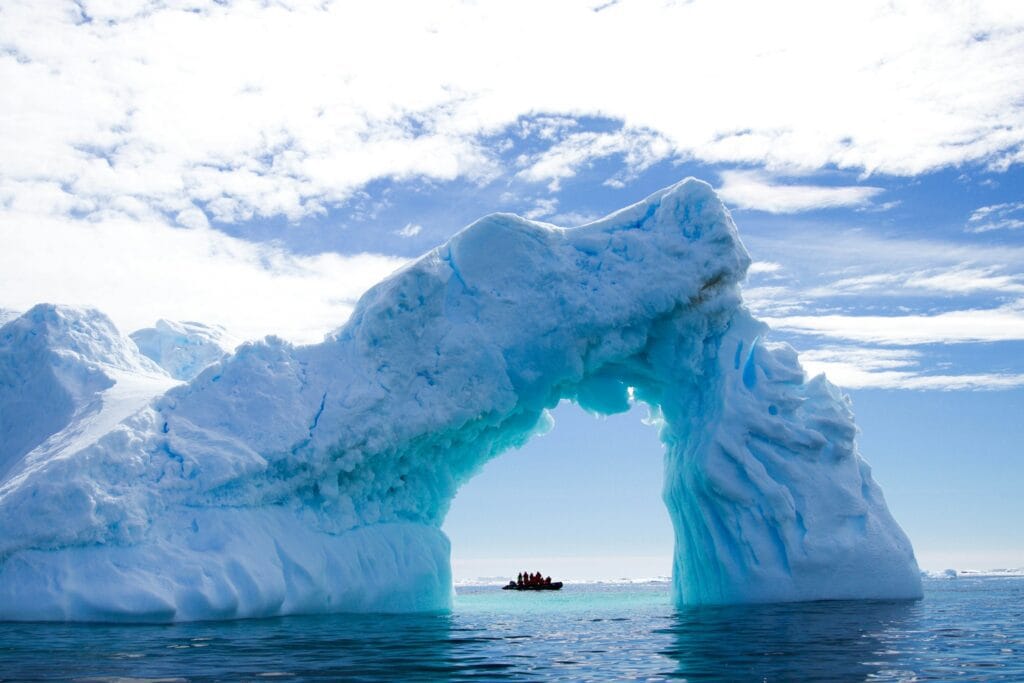
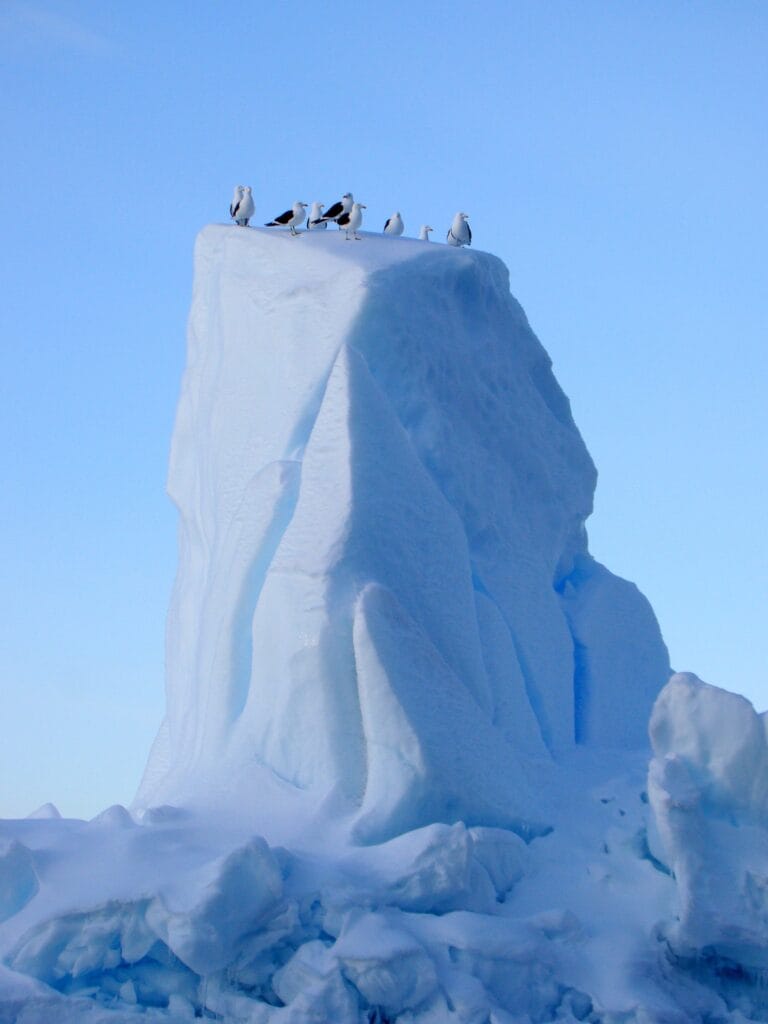
Antarctica isn’t a destination for everyone. But for those seeking the world’s most transformative travel experience, 2026 is the year to go.
What’s happening in 2026: Luxury expedition travel to Antarctica has reached a new zenith. New-generation ships like Silversea’s Silver Endeavour, Seabourn Ventures’ Ultramarine, and Atlas Ocean Voyages’ new fleet are launching with unprecedented comfort, cutting-edge stabilization technology, and intimate guest experiences (fewer than 250 passengers per voyage). The White Desert’s Whichaway Camp, featuring heated glass-fronted “polar pods” with ensuite bathrooms, is redefining expedition comfort.
Why visit in 2026: Rising demand for “meaningful travel” has made Antarctica less of a luxury novelty and more of an accessible yet exclusive experience. You’ll witness penguin colonies at their most active, navigate icebergs that tell millions of years of history, and return home transformed.
Best for: Adventure seekers, wildlife photographers, luxury travelers, once-in-a-lifetime bucket listers
Best time to visit: November to February (Antarctic summer)
Estimated cost: $8,000–$40,000+ per person, depending on voyage length and ship category
Carbon offset note: A round-trip from North America generates approximately 3–5 metric tons of CO₂ per person. [Offset your flight here]
Accessibility: Limited accessibility due to harsh climate conditions and ship requirements; contact operators for specific mobility inquiries
Quick Tip 💡: Book 12–18 months in advance. Premium dates sell out by mid-2025. Many operators offer flexible cancellation through 2026 due to unpredictable ice conditions.
2. Japan (Tokyo Beyond & Rural Regions): The Quiet Luxury Evolution
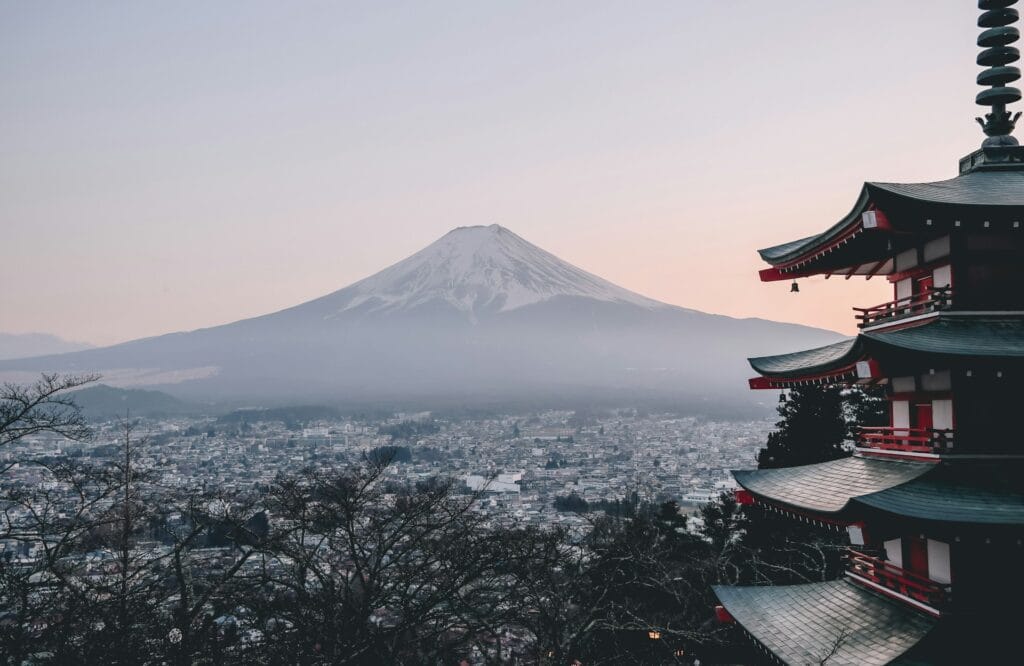
Japan remains the world’s fastest-growing tourist destination (21% increase in 2025 alone), but the 2026 narrative is shifting away from Kyoto crowds toward something deeper.
What’s happening in 2026: While Tokyo maintains its #1 status, savvy travelers are exploring Yamagata’s sacred mountains and hot springs, Osaka’s culinary renaissance, and Sumba’s rugged authenticity. The shift represents travel’s larger trend: moving away from Instagram-famous spots toward genuine cultural immersion. New luxury openings in lesser-known regions are making this exploration both comfortable and accessible.
Why visit in 2026: You’ll experience Japan’s complexity without competing with thousands for selfies. The cuisine, the gardens, the temples; they’re all better when there’s space to actually absorb them.
Best for: Culture enthusiasts, foodies, nature lovers, photographers
Best time to visit: April–May (cherry blossoms, mild weather) or October–November (autumn colors)
Estimated cost: $2,500–$6,000 per person for 10 days (mid-range travel)
Carbon offset note: Round-trip flight from the US West Coast: ~2 metric tons CO₂; from Europe: ~3.5 metric tons. Japan’s trains run primarily on renewable energy; use it extensively.
Accessibility: Tokyo and Osaka are highly accessible with excellent metro systems and accessible hotels. Rural areas vary; contact accommodations directly.
Quick Tip 💡: Avoid Golden Week (late April–early May) and the New Year period when prices spike, and crowds swell.The September typhoon season brings deals but weather risks.
3. Albania: Europe’s Budget Beach Gem (Before Everyone Discovers It)
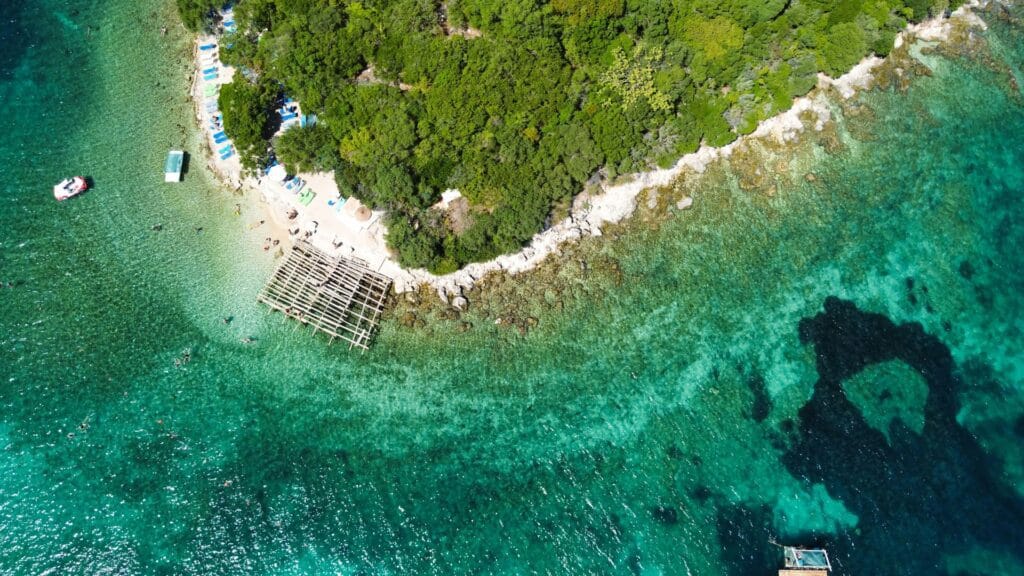
Albania has been called the “Maldives of Europe” by travel experts, and for once, the hype is justified.
What’s happening in 2026: After years of being overlooked in favor of overcrowded Greece and Croatia, Albania is having its moment. Ksamil Island offers turquoise waters and powdery beaches without the €50 beach club drinks. The UNESCO-listed ancient city of Berat provides a 1,000-year-old history. Accommodation prices remain remarkably affordable, though they’re rising as word spreads.
Why visit in 2026: This is your last window to experience Albania before it becomes the next Santorini. The combination of Adriatic beaches, authentic food culture, and mountainous interior creates a diverse experience, all at 30–50% cheaper than neighboring countries.
Best for: Budget travelers, beach lovers, history buffs, those seeking “real Europe.”
Best time to visit: May–June or September–October (warm, fewer crowds than July–August)
Estimated cost: $40–$80/day including accommodation, meals, and activities
Carbon offset note: Round-trip from Western Europe: ~0.8 metric tons CO₂ (shorter flight = lower emissions). Consider train + ferry combinations.
Accessibility: Ksamil and Berat have some accessible accommodations; coastal towns are developing infrastructure. Roads are improving but uneven in places.
Quick Tip 💡: Book direct with hotels rather than Booking.com to save 15–20%. Most owners speak English and offer better rates for direct bookings. The Albanian Riviera is underrated; consider splitting time between beaches and Berat’s UNESCO old town.
4. Sardinia, Italy: The Blue Zone Where People Live Longer
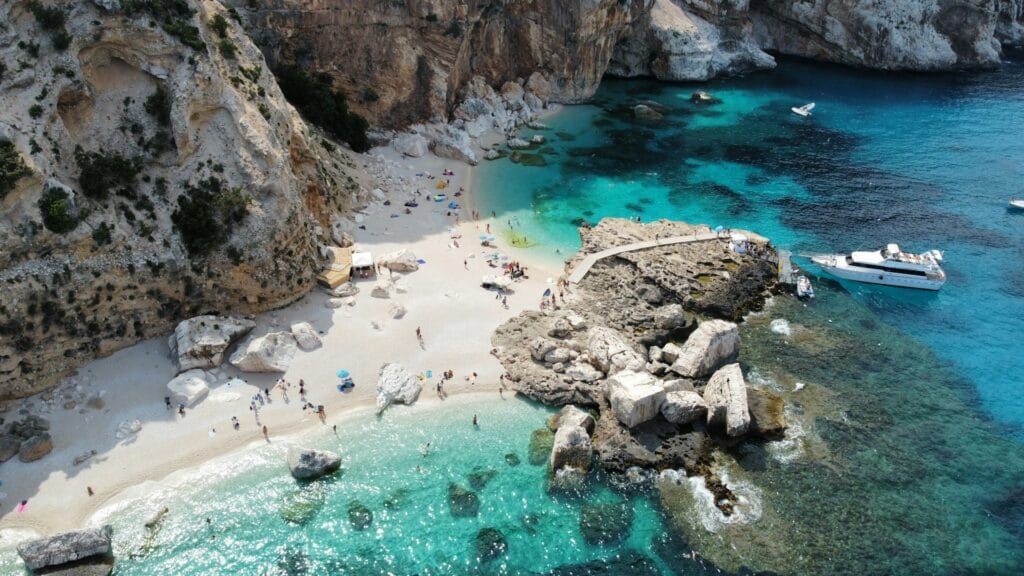
Forget the Amalfi Coast crowds. Sardinia offers an entirely different version of Mediterranean life.
What’s happening in 2026: Lonely Planet named Sardinia one of 2026’s essential destinations, citing its pristine beaches, distinct Sardinian culture separate from mainland Italy, and the fascinating “Blue Zone” phenomenon (areas where people routinely live past 100). The combination of wellness, longevity, authentic food, and stunning coastlines is attracting a different kind of traveler; one seeking meaning alongside leisure.
Why visit in 2026: Sardinia remains less touristy than Amalfi or Cinque Terre despite its world-class beaches. The food (malloreddus pasta, fresh seafood, Vermentino wine) tastes like no other region in Italy. You’ll understand why people here live so long and so well.
Best for: Foodies, wellness travelers, beach seekers, those wanting authentic Italian culture
Best time to visit: May–June or September–early October (warm, fewer crowds, perfect beach weather)
Estimated cost: $100–$200/day, including mid-range accommodation
Carbon offset note: Round-trip flight from Northern Europe: ~1.5 metric tons CO₂. Ferries from mainland Italy offer a lower-emission alternative.
Accessibility: Beaches and coastal towns have improved accessibility; inland villages vary. Contact accommodations directly.
Quick Tip 💡: Rent a car and drive the northeast coast (Costa Smeralda’s less-famous villages). Fly into Cagliari if you want cheaper flights. The interior offers better value than coastal towns while maintaining the Sardinian magic.
5. Costa Rica (Guanacaste Region): Eco-Luxury Redefined
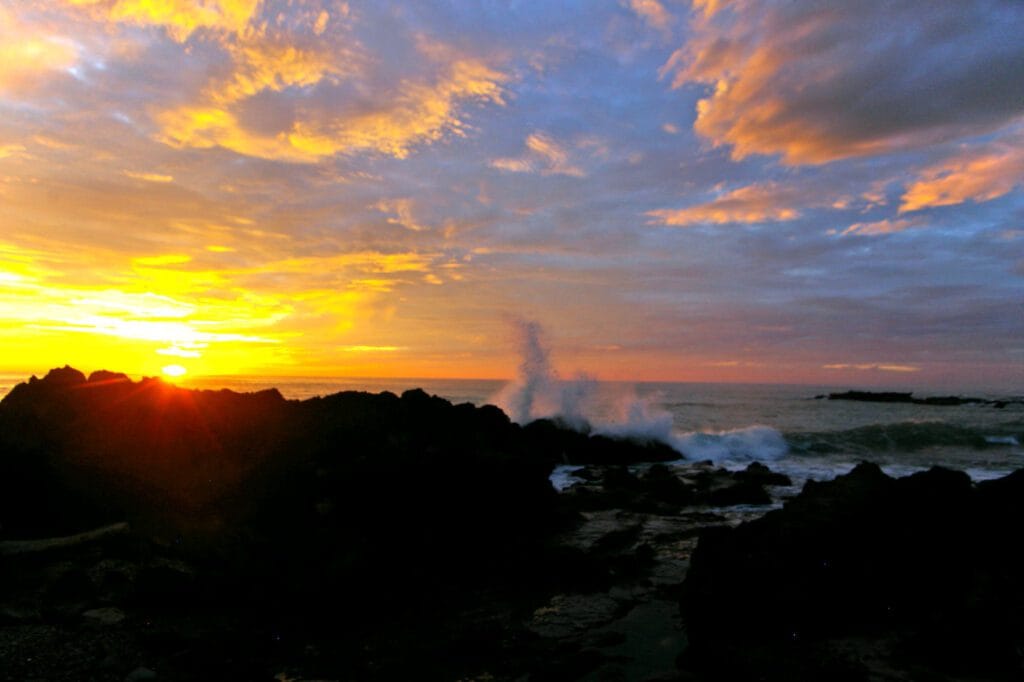
Costa Rica has been a sustainable travel darling for years, but 2026 brings a new chapter: luxury eco-tourism that doesn’t require sacrificing comfort.
What’s happening in 2026: The Ritz-Carlton Reserve in Guanacaste opens a new eco-luxury experience combining Costa Rica’s “pura vida” philosophy with high-end amenities. New sustainable lodges throughout the region are setting industry standards for carbon-neutral operations, wildlife protection, and community benefit.
Why visit in 2026: Costa Rica represents the future of travel; adventure, nature, sustainability, and comfort coexisting. You’ll participate in genuine conservation work, surf world-class waves, practice yoga overlooking jungles, and sleep in luxury without guilt.
Best for: Eco-conscious travelers, adventure seekers, wellness tourists, surfers, and those who want impact with their vacation
Best time to visit: December–April (dry season; warmest, least rain)
Estimated cost: $3,000–$8,000 per person for 7 days (including mid-range to luxury eco-lodges)
Carbon offset note: Round-trip flight from North America: ~2.5 metric tons CO₂. Costa Rica generates 99% of its electricity from renewables; your impact decreases once on the ground.
Accessibility: Guanacaste beaches and established lodges have good accessibility; jungle trails are challenging. Check with operators.
Eco-Friendly Alternative 🌱: Stay at a carbon-certified eco-lodge, participate in reforestation programs, use local guides, and avoid mass-tourism zip-line operations.
Quick Tip 💡: Book with local operators rather than international chains. Money flows directly to Costa Rican communities and conservation. The “Pura Vida” mentality means things move slowly; embrace it.
6. Maine, USA: The New England Renaissance
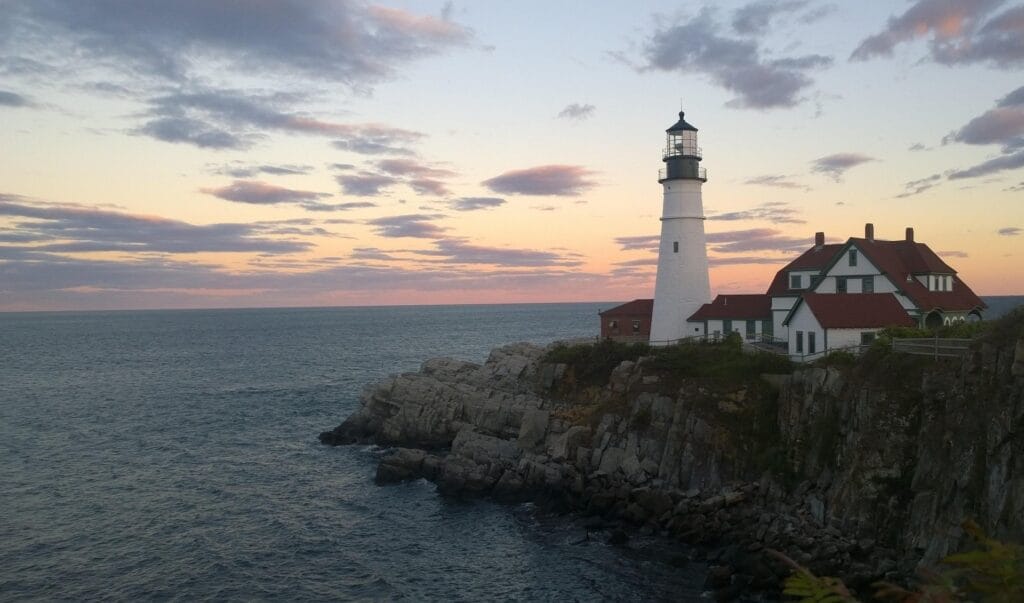
Lonely Planet’s pick for best US destination in 2026, Maine is finally getting recognition beyond lobster rolls.
What’s happening in 2026: Portland’s food scene rivals major cities (James Beard Award-winning restaurants, craft breweries, food tours). Acadia National Park remains stunning but less crowded than Western parks. The “dreamy New England summers” aesthetic, lighthouses, rocky coastlines, and small-town charm resonate with travelers seeking domestic alternatives to Europe.
Why visit in 2026: Maine offers everything: incredible food, coastal beauty, outdoor adventure, and authentic American culture, all within driving distance for East Coasters. The state is having an underrated moment.
Best for: Foodies, nature lovers, road-trippers, American travelers seeking domestic alternatives
Best time to visit: July–September (warm, summer season but manageable crowds by comparison)
Estimated cost: $100–$200/day, including lodging and meals
Carbon offset note: Driving from Northeast: ~0.2 metric tons CO₂ per 500 miles in a standard car. Consider train travel to reduce emissions.
Accessibility: Portland is highly walkable and accessible. Acadia has accessible scenic drives and some accessible hiking trails.
Quick Tip 💡: Skip peak summer (July–August) if possible. Late June or early September offer better weather-to-crowd ratios. Plan at least one fresh lobster roll from a casual shack (not a tourist trap).
7. Botswana (Okavango Delta): The Sustainable Safari Model

Botswana represents safari travel’s responsible future.
What’s happening in 2026: Botswana maintains a “high-value, low-volume” tourism model that limits visitor numbers while maximizing conservation funding. Rather than hundreds at a watering hole, you’ll experience wildlife with 12 other guests. The Okavango Delta remains the world’s premier inland wetland ecosystem, supporting elephant herds, big cats, and bird species in stunning abundance.
Why visit in 2026: Botswana proves that luxury tourism and conservation aren’t opposed; they’re partners. Your presence funds anti-poaching operations and community development. The wildlife experience is unparalleled.
Best for: Safari enthusiasts, wildlife photographers, eco-conscious travelers,and those seeking transformative nature experiences
Best time to visit: June–October (dry season, best wildlife viewing)
Estimated cost: $4,000–$12,000 per person for a week (including guide, accommodations, meals)
Carbon offset note: Round-trip flight from Europe: ~4 metric tons CO₂. Consider staying longer to justify flight emissions and maximize impact. Botswana’s safari camps use renewable energy and water conservation extensively.
Accessibility: Lodges vary; some are very accessible, others aren’t. Contact operators to discuss specific mobility needs.
Sustainable Note 🌱: Choose small-group camps. Support community-based tourism operators who directly employ locals. Participate in conservation talks offered by your guide.
Quick Tip 💡: Travel in shoulder season (April–May or November) for fewer crowds, better rates, and excellent wildlife viewing. Book through specialist safari operators, not generalist tour companies.
8. Cádiz, Spain: The Authentic Andalusia


While tourists flock to Seville and Granada, Cádiz remains pleasantly undiscovered.
What’s happening in 2026: Lonely Planet featured Cádiz as a top 2026 destination, recognizing its 3,000-year history, incredible seafood culture, and status as a Spanish wine country hub (Sherry wine comes from nearby Jerez). The city is more walkable and authentic than crowded Seville, with better beaches and lower prices.
Why visit in 2026: Cádiz offers the authentic Andalusian experience without the tourist infrastructure that overwhelms Granada and Seville. The seafood is extraordinary. The city’s bohemian vibe feels lived-in rather than performed.
Best for: Culture enthusiasts, foodies, beach lovers, those seeking authentic Spain, budget travelers
Best time to visit: April–May or September–November (warm, pleasant, fewer crowds)
Estimated cost: $60–$120/day, including mid-range accommodation
Carbon offset note: Round-trip from Northern Europe: ~1.2 metric tons CO₂. Spain’s train network is excellent; travel via rail when possible.
Accessibility: Cádiz’s historic center is hilly and cobblestoned, some challenges for mobility. Accessible accommodations are available; contact ahead.
Quick Tip 💡: Rent a car and drive day trips to Jerez (wine) and white villages (pueblos blancos). The beach towns of Sanlúcar and Barbate offer calm alternatives to crowded Costa del Sol.
9. Sumba, Indonesia: Authentic Island Before the Resorts Arrive
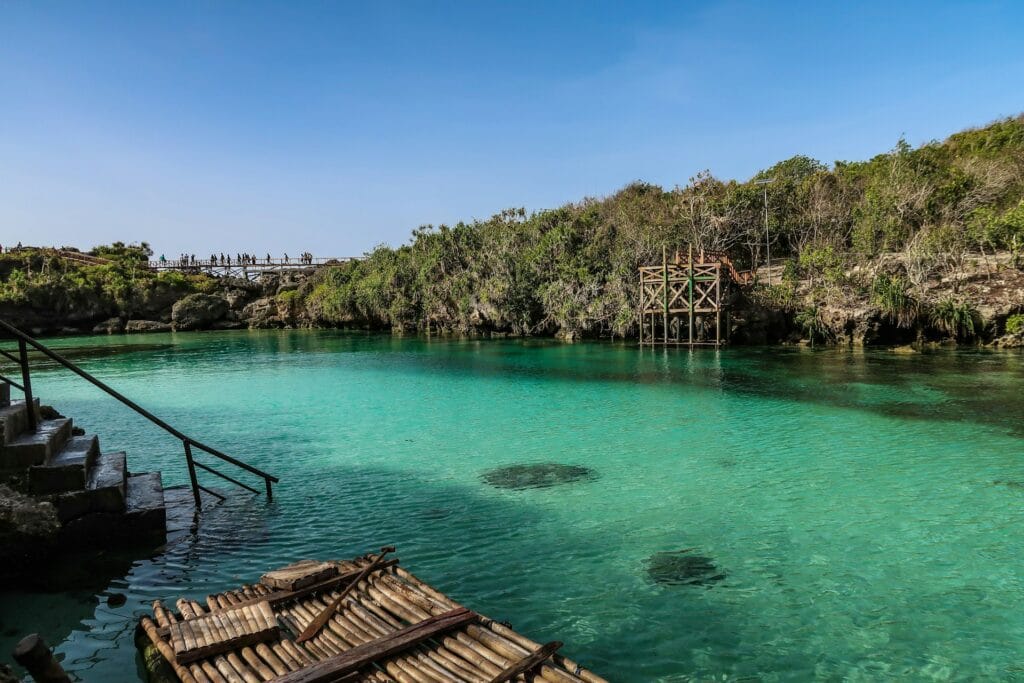
If Bali felt too touristy a decade ago, Sumba today offers what Bali used to be.
What’s happening in 2026: Forbes named Sumba one of 2026’s must-visit destinations for travelers seeking authenticity. The island remains wild, literally featuring wild horses on beaches, dramatic cliff formations, and indigenous cultures. New eco-lodges are opening carefully (limiting impact), but mass tourism hasn’t arrived.
Why visit in 2026: This is the narrow window. In 5–10 years, Sumba will likely be as developed as Bali. 2026 offers genuine cultural experiences, untouched landscapes, and the kind of discoveries that feel earned rather than packaged.
Best for: Adventure travelers, photographers, culture seekers, those craving authenticity, budget adventurers
Best time to visit: April–November (dry season)
Estimated cost: $40–$100/day, including basic accommodation and meals
Carbon offset note: Round-trip flight from Australia: ~2 metric tons CO₂. Getting to Sumba requires patience (often via Bali + ferry), which naturally limits mass tourism.
Accessibility: Sumba is developing. Coastal areas are more accessible than inland. Many roads are still unpaved. Contact your accommodation about specific accessibility.
Eco-Friendly Alternative 🌱: Stay at locally-owned guesthouses, hire local guides, support indigenous craft cooperatives, and respect local customs and ceremony schedules.
Quick Tip 💡: The island offers genuine cultural immersion; Sumbanese people practice unique traditions. Respectfully ask permission before photographing. Avoid the few all-inclusive resorts in favor of local guesthouses.
10. Colombia (Tayrona & Beyond): The Everything Destination
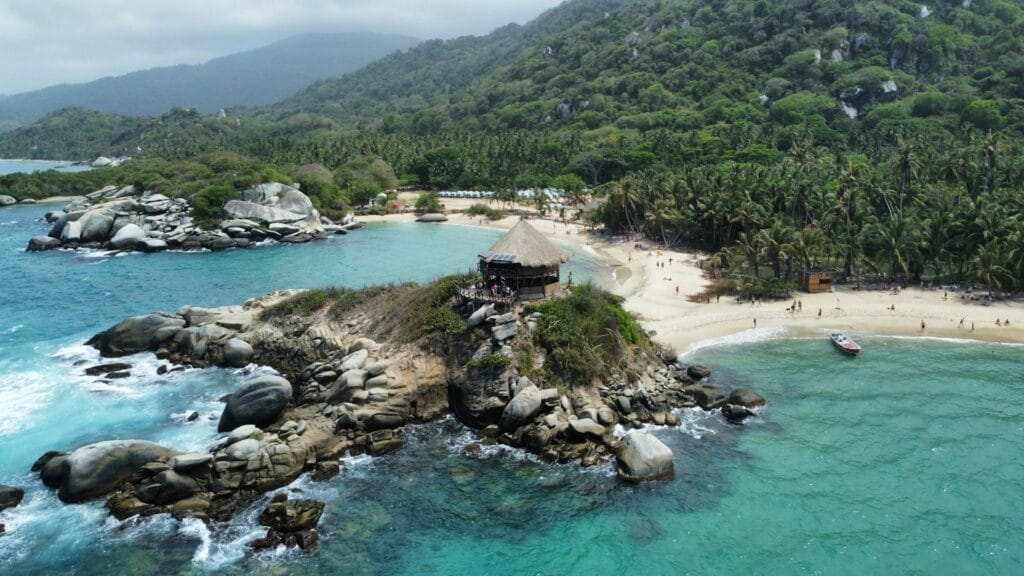
Colombia has transformed from a travel warning destination to one of South America’s most dynamic.
What’s happening in 2026: Colombia offers something for every traveler type; Caribbean beaches (Tayrona National Park), coffee plantations in lush highlands, vibrant cities (Medellín’s transformation is remarkable), and genuine cultural richness. Adventure coordinators consistently rank it as a top adventure destination.
Why visit in 2026: Colombia defies stereotypes. The country is safe, welcoming, diverse, and offers exceptional value. Whether you want beaches, mountains, coffee, culture, or adventure, Colombia delivers.
Best for: Adventure travelers, culture seekers, budget backpackers, food lovers, and those wanting authentic South America
Best time to visit: December–March or July–August (dry seasons)
Estimated cost: $50–$100/day, including accommodation and meals
Carbon offset note: Round-trip from North America: ~3–4 metric tons CO₂. Colombia’s Caribbean coast requires less travel than Amazon lodge alternatives.
Accessibility: Medellín and coastal towns are developing accessibility; mountain areas vary. Research specific destinations.
Quick Tip 💡: Start in Medellín (transformed by cable car system and urban renewal), visit coffee country, then end on Caribbean beaches. This creates a logical progression and maximizes diverse experiences.
11. Romania (Transylvania): The Budget Alternative to Western Europe
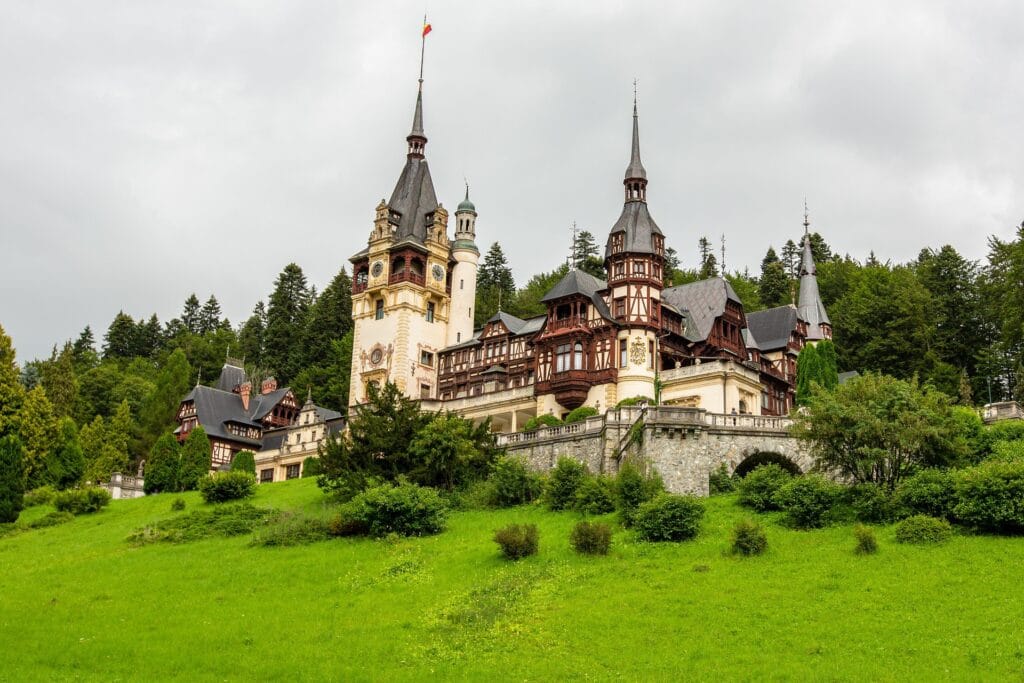
While others line up for the Swiss Alps, Transylvania offers the Carpathian mountains, castles, and medieval charm at a fraction of the price.
What’s happening in 2026: Travel experts cite Transylvania as the year to visit before overtourism arrives (it’s coming). The region offers Dracula lore, genuine mountain trekking, perfectly preserved medieval towns, and the kind of authentic Europe that’s vanished from France and Austria.
Why visit in 2026: Transylvania delivers old-world charm without old-world prices. A week here costs what three days cost in Western Europe. The mountains rival the Alps. The history is captivating.
Best for: Budget travelers, history enthusiasts, hikers, photography lovers, and those seeking European authenticity
Best time to visit: May–June or September–October (warm, fewer crowds than July–August)
Estimated cost: $40–$80/day, including mid-range accommodation
Carbon offset note: Round-trip from Western Europe: ~0.8 metric tons CO₂. Train travel through Europe offers a low-emissions alternative to flying.
Accessibility: Medieval towns have cobblestones and hills. Modern accommodations have good accessibility. Research specific towns.
Quick Tip 💡: Rent a car and explore the mountain passes. The drive from Bucharest to Transylvania ranks among Europe’s most scenic. Skip Dracula tourist traps; focus on genuine medieval culture.
12. Osaka, Japan: The Underrated Culinary Capital

While tourists fight for Kyoto temple slots, Osaka’s food scene rivals Tokyo’s.
What’s happening in 2026: Osaka offers everything Kyoto does culturally, plus a legitimate claim as Japan’s food capital. Day trips to Kyoto and Nara are easy. Osaka itself is electric; street food, markets, nightlife, innovation, and genuine Japanese culture, unconcerned with tourist preferences.
Why visit in 2026: Skip Kyoto crowds; base yourself in Osaka and day-trip to temples. The experience is richer, the meals are better, and you’ll meet actual Osakaites rather than hotel staff.
Best for: Foodies, budget travelers, those wanting an authentic Tokyo-adjacent experience, cultural travelers
Best time to visit: March–May or October–November
Estimated cost: $1,500–$3,000 per person for 5 days
Carbon offset note: Regional trains throughout Japan run on renewable energy.
Accessibility: Osaka’s transit system is highly accessible; most hotels can accommodate mobility needs.
Quick Tip 💡: Book a cooking class. Join a street food tour. Eat at tiny neighborhood ramen shops. This is where authentic Japan lives.
13. Perth, Australia: Western Australia’s Gateway to Wonder
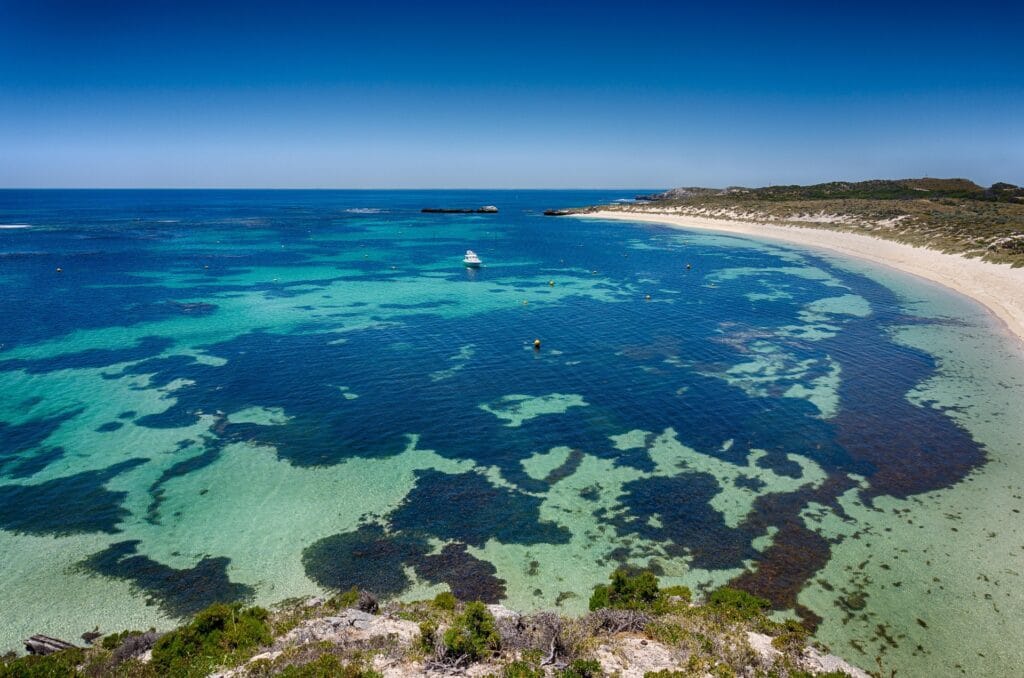
Remote but increasingly accessible, Perth offers an entirely different Australia.
What’s happening in 2026: Direct flights from Asia and Europe are opening up. Perth is the gateway to Rottnest Island (quokkas!), the Margaret River wine region, and wild Western Australian coastlines. The city itself is underrated; excellent food scene, pristine beaches, friendly locals.
Why visit in 2026: Perth represents Australia’s next frontier. It’s far enough from Eastern coastal tourism to feel undeveloped, yet increasingly accessible.
Best for: Beach lovers, wildlife enthusiasts, wine lovers, nature photographers, adventure travelers, those wanting a different Australia
Best time to visit: September–November (spring, wildflower season) or March–May (autumn)
Estimated cost: $120–$200/day
Carbon offset note: Long-haul flight requires significant carbon offset (~4–5 metric tons round-trip from North America). Stay longer to justify emissions.
Accessibility: Perth is highly accessible; Rottnest Island and the wine country vary.
Quick Tip 💡: The quokkas on Rottnest Island are worth the visit alone. Rent a car and explore Margaret River. Perth’s craft brewery scene is excellent.
[Image: Rottnest Island beach with quokka in foreground, turquoise water, pristine white sand, island vegetation]
14. Turkey’s Black Sea Coast: The “Other” Turkey
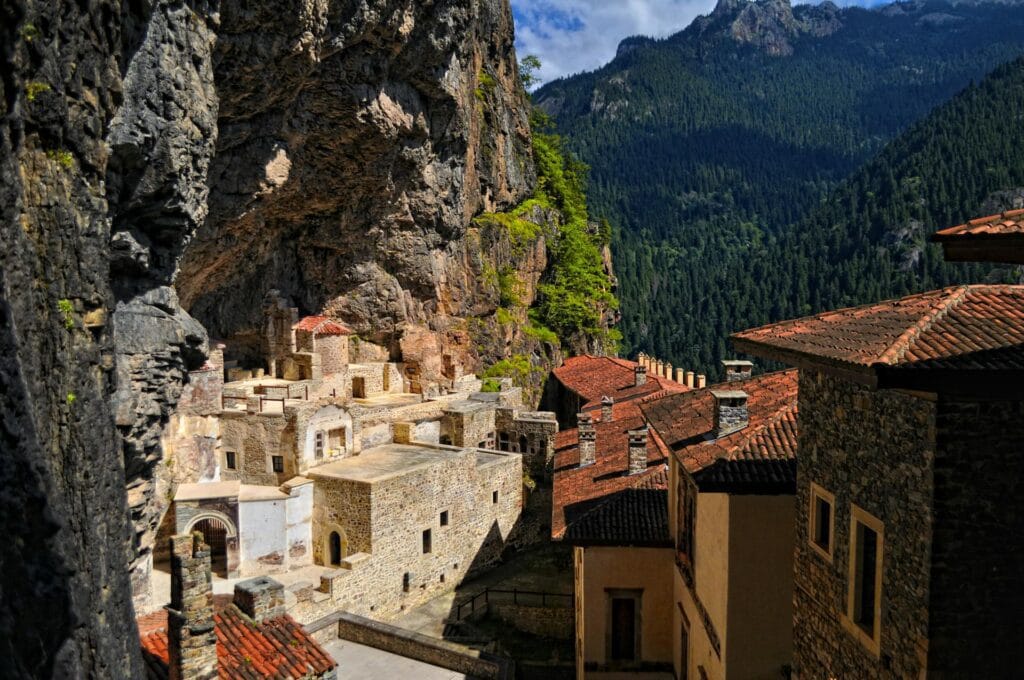
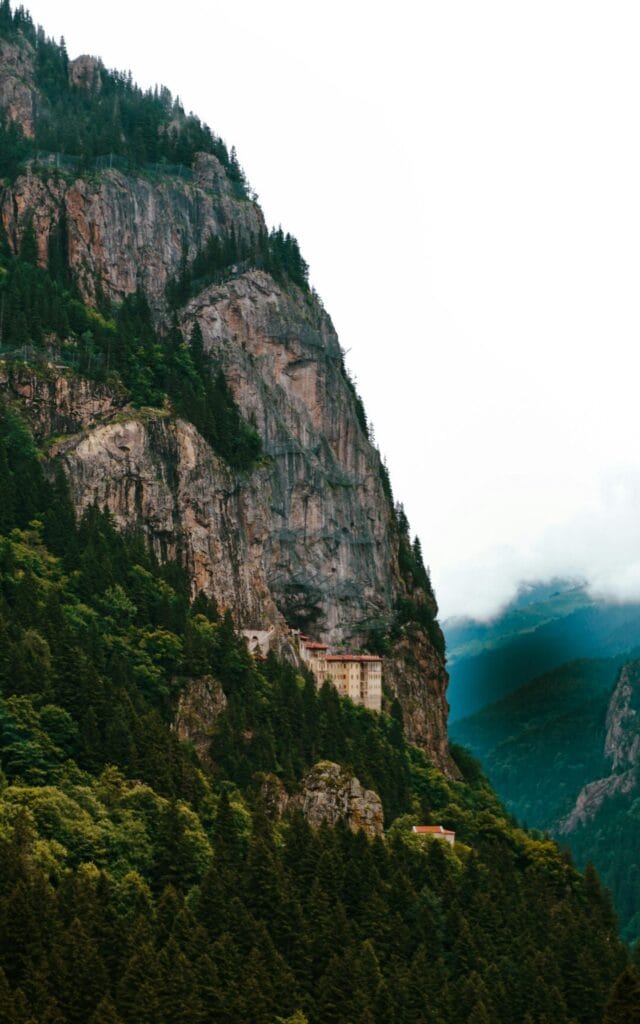
While everyone else crowds Cappadocia and the turquoise coast, the Black Sea remains refreshingly undiscovered.
What’s happening in 2026: National Geographic named Turkey’s Black Sea coast one of 2026’s essential destinations. Rize tea plantations, Sumela Monastery’s dramatic clifftop architecture, green mountains, and coastal villages offer a completely different Turkey experience.
Why visit in 2026: The Black Sea coast represents Turkey without the crowds, glitz, or major tourism infrastructure. It’s adventurous, authentic, and dramatically different from Mediterranean Turkey.
Best for: Photographers, history lovers, nature enthusiasts, those seeking adventure, budget travelers wanting unique experiences
Best time to visit: May–September
Estimated cost: $50–$100/day
Carbon offset note: Round-trip from Europe: ~2 metric tons CO₂.
Accessibility: Coastal towns have some accessibility; mountain areas and monastery visits have limitations.
Quick Tip 💡: The monsoon-green landscape is stunning. Tea plantations welcome visitors. Local food (anchovies, hazelnuts) is delicious. This region rewards independent travel and curiosity.
15. Guatemala: The Mayas, Volcanoes & Authentic Central America
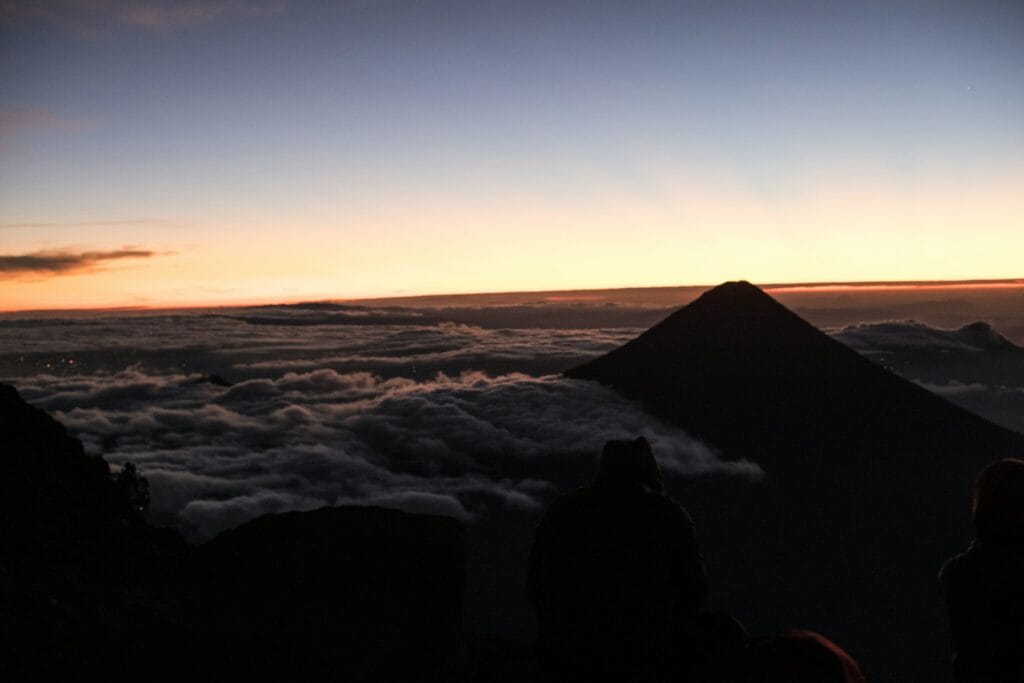
Guatemala rounds out the list as Central America’s most culturally rich destination, finally getting recognition beyond Machu Picchu comparisons.
What’s happening in 2026: Exodus Travels featured Guatemala as a top adventure destination for 2026. The country offers Maya ruins and culture, volcanoes (including the spectacular Acatenango), colonial charm (Antigua), and genuine adventure at budget prices.
Why visit in 2026: Guatemala delivers authentic Central America, indigenous cultures, active volcanoes, archaeology, and adventure, without the crowds of Peru or the development of Costa Rica.
Best for: Adventure seekers, culture enthusiasts, photographers, hikers, budget travelers, those craving authentic experiences
Best time to visit: December–March (dry season)
Estimated cost: $40–$80/day
Carbon offset note: Round-trip from North America: ~2.5 metric tons CO₂.
Accessibility: Colonial cities have cobblestones and hills. Volcano hikes are challenging. Research specific itineraries.
Eco-Friendly Alternative 🌱: Book small-group tours with local operators. Visit indigenous communities respectfully. Support local artisans directly rather than tourist shops.
Quick Tip 💡: The Acatenango hike (3 days) offers views of nearby Fuego volcano and unforgettable mountain camping. Lake Atitlan is stunning but touristy; balance time between developing towns and more authentic experiences.
Travel by Style: Where Should YOU Go in 2026?
Not everyone travels the same way. Here’s how to navigate this list based on your priorities:
- Budget Travelers ($40–$80/day)
- Albania, Romania, Sumba, Colombia, Guatemala, Cádiz
- Luxury Travelers ($200+/day)
- Antarctica, Costa Rica (eco-luxury), Sardinia, Botswana, Perth, Japan
- Eco-Conscious Travelers
- Costa Rica, Botswana, Guimarães (Europe’s Green Capital 2026), Colombia, Guatemala
- Accessible Travel Focus
- Sardinia, Peru, Japan, Spain (cities), Peru
- Off-the-Beaten-Path Adventurers
- Sumba, Guatemala, Turkey’s Black Sea, Transylvania, Mongolia
- Foodies
- Osaka, Cádiz, Perú, Costa Rica, Colombia
- Wildlife & Nature
- Antarctica, Botswana, Costa Rica, Sumba, Peru (Machu Picchu), Guatemala
- Cultural Immersion
- Japan (rural regions), Guatemala, Turkey’s Black Sea, Colombia, Sumba
- Wellness & Longevity Focus
- Sardinia (Blue Zone), Costa Rica, Japan, Peru
2026 Travel Trends Explained
Understanding why these destinations are trending helps you make better choices:
01. Meaningful Travel Over Mass Tourism
Travelers are rejecting crowded checkboxes in favor of genuine experiences. This explains the interest in smaller destinations (Sumba, Black Sea Turkey, rural Japan) and sustainability-focused travel.
02. “Quiet Luxury” Ascendant
Goodbye ostentatious resorts and Instagram tourism. The 2026 traveler seeks refined experiences without pretension; hence the interest in Sardinia, rural Japan, and smaller Portuguese cities.
03. Sustainability as Standard, Not Novelty
Eco-conscious travel is no longer optional for luxury travelers. Carbon offset, sustainable accommodations, and responsible tourism practices should be your default expectations.
04. Remote Access as Tourism Booster
New flights opening to previously isolated destinations (direct flights to Perth, improved access to Mongolia, new train service in Uzbekistan) are removing barriers without bringing mass tourism infrastructure.
05. Adventure Redefined
Today’s adventure isn’t about conquering peaks; it’s about presence. Slow travel, cultural exchange, wildlife observation, and personal transformation matter more than achievement-based tourism.
06. Safety & Political Stability Shift Priorities
Travelers once avoided Colombia and Guatemala. Now they’re top picks. Conversely, formerly safe destinations are declining. Research current conditions rather than assuming historical reputations.
Planning Your 2026 Adventure
Now that you’ve found destinations that appeal, let’s get practical.
Book Timing by Destination Type
01. Seasonal Destinations (Book Now):
- Antarctica (must book by mid-2025 for 2026 season)
- Japan cherry blossoms (spring)
- Costa Rica rainy vs. dry season
02. Year-Round Destinations (Book 3–4 Months Ahead):
- Most European destinations
- Caribbean
- Southeast Asia
03. Long-Haul Luxury (Book 6–12 Months Ahead):
- Safari lodges (especially in Botswana)
- Eco-lodges in premium locations
Budget by Destination Type
| Destination | Daily Cost | Flight Cost | Total 10 Days |
| Albania | $40–60 | $400–800 | $800–1,400 |
| Romania | $50–80 | $500–900 | $1,000–1,700 |
| Sumba | $60–100 | $1,000–1,500 | $1,600–2,500 |
| Colombia | $50–100 | $600–1,200 | $1,100–2,200 |
| Cádiz, Spain | $80–120 | $400–800 | $1,200–2,000 |
| Costa Rica | $100–150 | $500–1,000 | $1,500–2,500 |
| Japan | $80–150 | $700–1,500 | $1,500–2,800 |
| Sardinia | $100–180 | $400–800 | $1,400–2,600 |
| Botswana Safari | $200–350/day | $800–1,500 | $3,000–5,000 |
| Antarctica | N/A | Included | $8,000–40,000 |
Visa & Documentation Checklist
- Check visa requirements for your nationality (many change annually)
- Ensure your passport has 6+ months of validity beyond your travel dates
- Register with your government’s travel advisory service
- Research travel insurance that covers your chosen destination
Making Your Trip Sustainable
OffsetMiles is built on the belief that travel can enrich both travelers and destinations. Here’s how to ensure your 2026 adventure is responsible:
01. Calculate Your Carbon Footprint
Your flight is likely the biggest carbon impact. Use ICAO’s Carbon Emissions Calculator or Sustainable Travel International’s tool to determine your specific trip’s emissions, then purchase verified carbon offsets.
Example Emissions by Route (Round-Trip, Economy):
- New York to London: 0.74 metric tons CO₂
- Los Angeles to Tokyo: 2.0 metric tons CO₂
- London to Perth: 3.8 metric tons CO₂
- North America to Antarctica: 4–5 metric tons CO₂
02. Choose Certified Sustainable Accommodations
Look for:
- Certified eco-lodges (Green Key, Rainforest Alliance)
- Carbon-neutral or carbon-negative claims (verify third-party certification)
- Community-benefit programs (local employment, education funding)
- Water conservation and renewable energy use
03. Support Local Economies
- Hire local guides (money stays in the community)
- Eat at locally-owned restaurants (avoid international chains)
- Buy from local artisans directly (skip tourist shops)
- Use public transport, walk, or rent bicycles when possible
04. Respect Local Cultures & Environments
- Ask permission before photographing people
- Observe dress codes and customs
- Avoid activities that exploit animals or people
- Leave no trace on natural areas
Travel Longer, Travel Slower…
The most sustainable trip is one that amortizes flight emissions across longer time periods. A 14-day trip has significantly better carbon efficiency per day than a 4-day trip to the same destination.
Eco-Friendly Alternative 🌱: Consider overland travel routes. Europe-to-Eastern Europe via train, or multi-week Southeast Asia itineraries, dramatically reduce per-day carbon footprint.
Offset Resources
- Sustainable Travel International
- ICAO Carbon Emissions Calculator
- Gold Standard Offsets
- VeriCare Offsets
Which destination is best for first-time international travelers?
Japan (cities like Osaka) or Costa Rica. Both have excellent tourism infrastructure, English-speaking tourists in tourist areas, reliable transportation, and safe conditions. The guidance and logistics are intuitive for first-timers.
Can I visit these places on a 1-week vacation?
Realistically, you need 7–10 days minimum to justify long-haul flight emissions and actually experience a destination, versus just passing through. Weekend trips to nearby Europe (Spain, Romania, Portugal) work. Long-haul destinations (Japan, Costa Rica, Botswana, Antarctica) deserve 10+ days minimum.
How far in advance do I need to book?
- Antarctica: 12–18 months ahead
- Safari lodges: 6–12 months
- Peak-season European destinations: 3–4 months
- Southeast Asia: 2–3 months
- Flexible travel: Can often book 4–6 weeks ahead
What about safety? Are all these destinations actually safe?
All recommended destinations are considered safe for travelers who exercise normal precautions. Guatemala and Colombia have improved security significantly and are now considered safe for tourists. Check current government travel advisories before booking.
Is carbon offsetting actually effective?
This is debated. Verified carbon offset programs do remove emissions through reforestation, renewable energy, and methane capture projects. However, they don’t eliminate your flight’s direct warming impact. The most effective approach: fly less, offset what you do fly, and travel longer to amortize emissions over more days.
How much should I budget for carbon offsets?
Roughly $15–30 per metric ton of CO₂ through verified programs. A round-trip long-haul flight generating 3 metric tons would cost $45–90 to offset. Many travelers build this into their travel budget as a “carbon tax.”
Which destinations are best for solo female travelers?
Japan, Costa Rica, Spain, Peru, and Colombia all rank well for solo female travelers. All have established tourism infrastructure, low crime in tourist areas, and welcoming cultures. Botswana safari is expensive but very safe. Guatemala and Sumba require more caution; travel with awareness and consider group tours.
Can I visit multiple destinations on one trip?
Absolutely, and it’s often more carbon-efficient than multiple separate trips. Example combinations:
European Route (2–3 weeks): Spain (Cádiz) → Romania (Transylvania) → Portugal (Guimarães)
Southeast Asia (3–4 weeks): Thailand → Cambodia → Vietnam → Indonesia (Sumba)
Central America (2–3 weeks): Guatemala → Costa Rica
South America (3–4 weeks): Colombia → Peru → Bolivia → Argentina
What about visiting during shoulder season vs. peak season?
Shoulder seasons (April–May, September–October for most destinations) offer advantages: better prices, fewer crowds, and often better weather. Peak season commands premium prices and crowds. Combine this insight with the 2026 calendar;you can hit destinations during their ideal windows at a better value.
How do I know if a destination matches my travel style?
Review the “Travel by Style” section above, then research 2–3 specific areas within each destination that appeal. Watch travel vlogs (YouTube offers authentic perspectives). Read recent travel blogs. Join travel Reddit communities. Most importantly, consider what actually makes you happy when traveling: beach time, cultural immersion, adventure, food, relaxation, and prioritize destinations offering this.
Plan Your Sustainable 2026 Adventure
2026 is shaping up to be an extraordinary year for travel. Whether you choose the white wilderness of Antarctica, the quiet charm of rural Japan, the emerging energy of Albania, or the sustainable luxury of Costa Rica, the opportunities are remarkable.
The key is thoughtful planning: Choose destinations that genuinely excite you. Travel with intention rather than just completing a checklist. Offset your carbon footprint. Support local economies. Respect local cultures. Travel longer when possible to maximize your impact and experience.
Ready to book?
- Identify 3 destinations from this list that genuinely appeal to you
- Calculate your flight’s carbon emissions [ICAO Calculator Link]
- Set aside carbon offset budget ($15–30 per metric ton)
- Research visa requirements for your nationality
- Start researching accommodations on certified eco-tourism platforms [Link]
- Join travel communities relevant to your destinations
- Book early using the timeline guide above
Last Updated: December 2025
Important Note: Travel information is accurate as of December 2025. Flight prices, accommodation costs, visa requirements, accessibility features, and cultural events may change. Always verify current information with official tourism boards, embassies, and individual venues before booking your trip.
OffsetMiles helps travelers explore the world responsibly, one destination at a time.
1 thought on “Best Places to Visit in 2026: The Ultimate Bucket List of Emerging Gems & Reinvented Classics”