
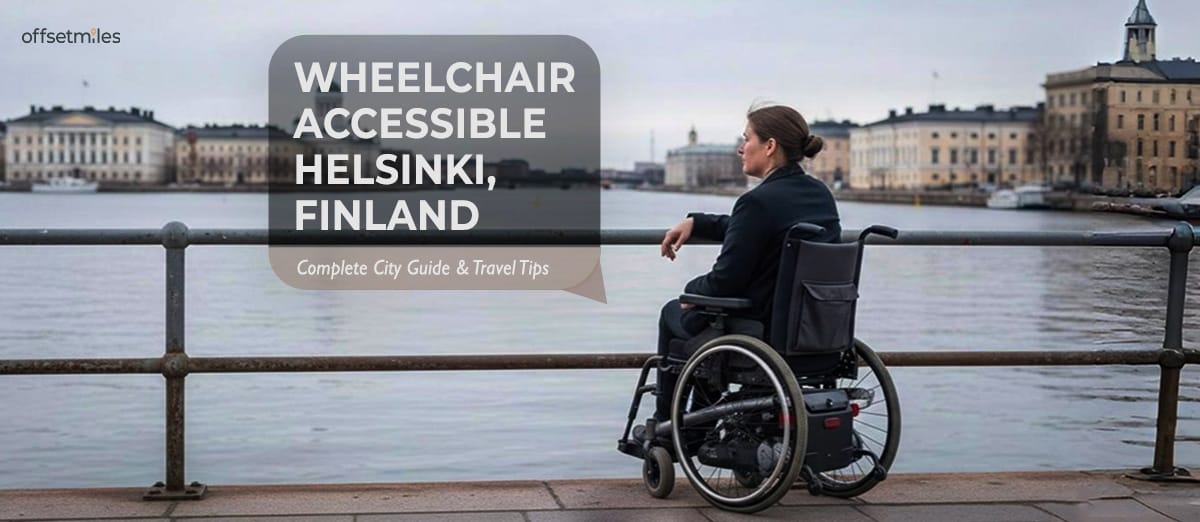
Helsinki is quietly one of Europe’s most accessible cities for disabled travelers. Not just “wheelchair-friendly”, genuinely accessible, with metro systems wheelchair users dream about, free public transport for disabled visitors, hotels designed with accessibility in mind, and a city center small enough to navigate without exhaustion.
This guide ( Wheelchair Accessible Helsinki, Finland) covers everything disabled travelers need to know about Helsinki: transportation logistics, accessible hotels, attractions, practical tips, and honest assessments of challenges you’ll face.
Why Helsinki Stands Out

Helsinki is genuinely accessible, not just claiming it.
Nordic advantages:
✅ Free public transport for wheelchair users – No ticket needed, companion travels free
✅ Metro system designed for wheelchairs – Every station has elevators, level platforms
✅ Compact city center – Flat, walkable, short distances
✅ “Helsinki for All” project – City-wide accessibility prioritization
✅ Nordic hospitality – Staff genuinely helpful, not performatively so
✅ Modern infrastructure – New low-floor trams, accessible ferries
✅ Scandinavian standards – Expect excellent service everywhere
Compared to other cities:
- vs. Paris/London: Helsinki = accessible. Paris/London = challenging in parts.
- vs. Barcelona/Amsterdam: Helsinki = comparable or better
- vs. US cities: Helsinki = superior (better tram access, free transport)
Honest truth: Helsinki isn’t perfect (historic Suomenlinna fortress has cobblestone roads), but it’s the best Nordic option for disabled travelers and rivals most major European cities.
Public Transportation: The Dream
Metro System: Perfect for Wheelchair Users
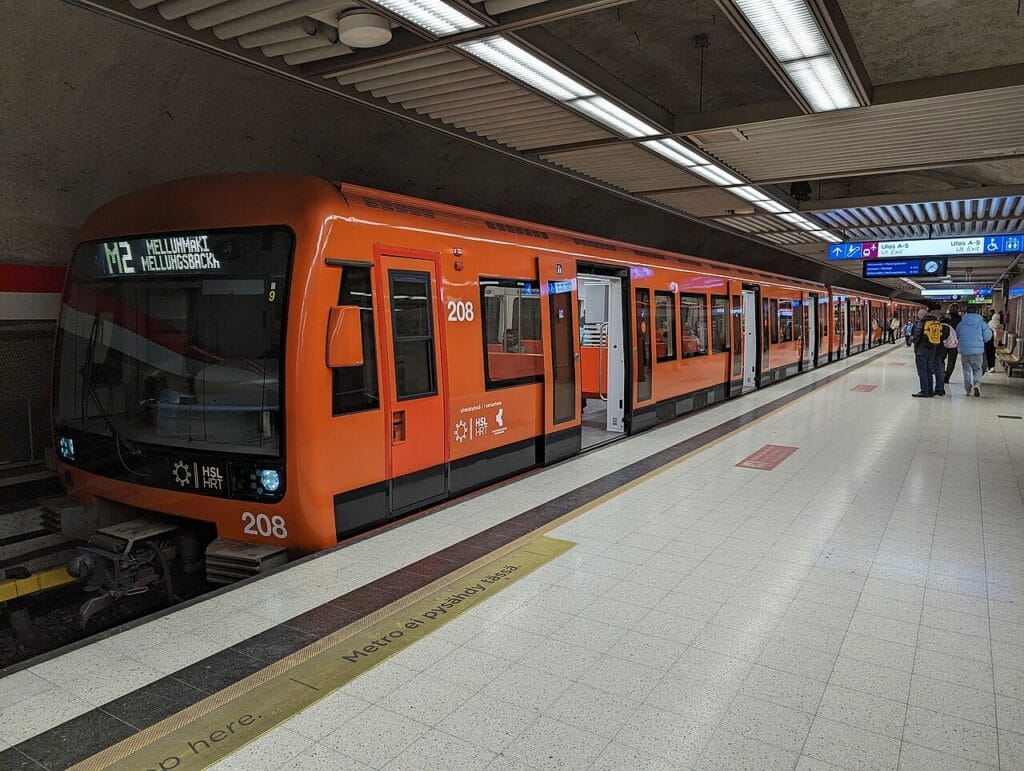
Why it’s a dream:
- Every station has accessible lifts
- Level boarding (platforms match train floor)
- All inner-city trains fully wheelchair accessible
- Free travel for wheelchair users + companion
- Only 10 central stations (easy to learn)
Metro accessibility details:
- Lifts: Every station has at least one
- Platform level: Matches train floor (no gap to bridge)
- Width: Doors wide enough for wheelchairs and scooters
- Seating: Reserved seats throughout
- Announcements: Audio + visual (next station called out)
How to use:
- Enter the station via the accessible lift
- Proceed to the platform (level access, no stairs)
- Wait for the low-floor train (they all are)
- Roll on with level boarding (no ramp needed)
- Sit or secure a wheelchair in the designated area
Best for: Daily transportation, getting airport to the city center (P train direct from the airport)
Trams: Partially Accessible
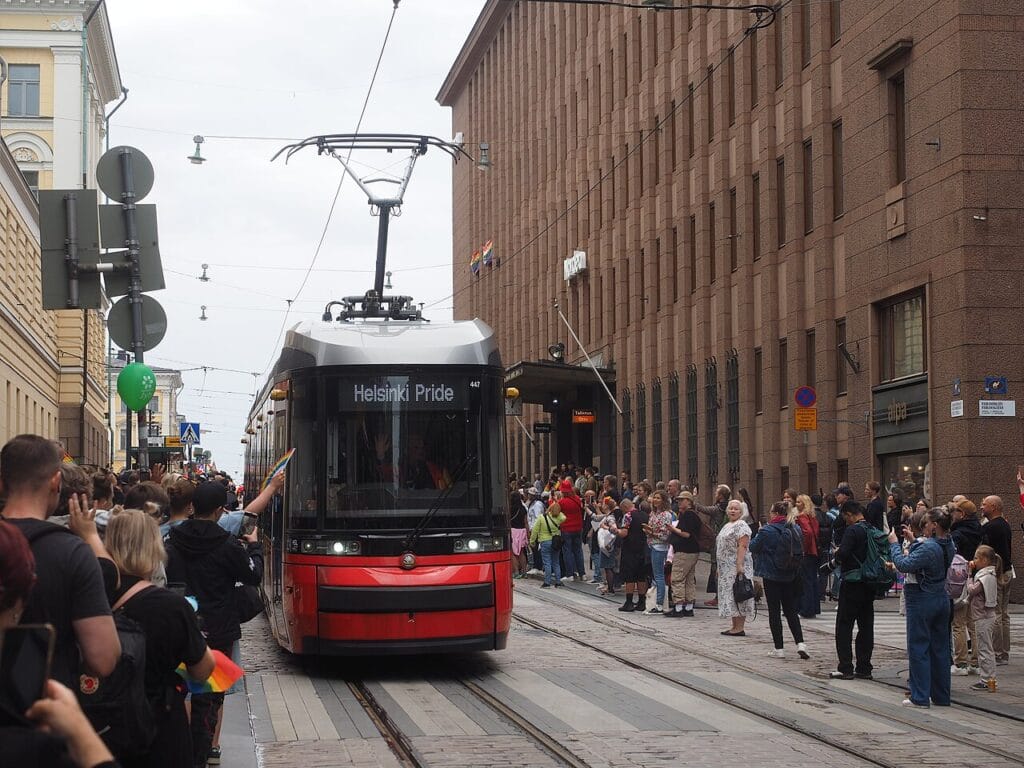
The situation:
- 50% of Helsinki’s trams are low-floor (new models)
- Free for wheelchair users
- Cannot accommodate mobility scooters with separate handlebars (width issue)
- Standard wheelchairs: No problem
Tram details:
- Fully low-floor (step-free entry)
- All stops announced (audio)
- Reserved seating
- Frequent service (every 5-10 minutes central routes)
- Iconic Helsinki experience (red trams = classic)
Reality check:
- Older high-floor trams still run some routes
- If traveling off-peak, you might wait longer for low-floor tram
- Use HSL app to identify low-floor trams before boarding
Best for: Experience, sightseeing, city exploration
Buses: Low-Floor + Neighborhood Routes
What to know:
- Most city buses are low-floor (flat entry, ramp if needed)
- Drivers deploy manual ramps at the middle doors
- Free for wheelchair users
- “Neighborhood routes” = mini-buses designed for mobility challenges
Accessibility features:
- Low-floor middle section
- Manual ramps (drivers happy to help)
- Reserved seating throughout
- Audible stop announcements
- Express routes available (fewer stops)
Best for: Specific routes, reaching areas beyond metro/tram
Ferries: Fully Accessible

Why they’re great:
- Fully wheelchair accessible (ramps for boarding)
- Can accommodate mobility scooters (bigger than trams)
- Free for wheelchair users + companion
- Popular route: Market Square → Suomenlinna fortress (15 minutes)
Ferry logistics:
- Board via leveled ramps
- Accessible seating inside
- Views of harbor while traveling
- Ferry timetables on HSL website
Best experience: Ferry to Suomenlinna fortress (UNESCO site, island adventure)
Accessible Taxis
Helsinki’s fleet: 300 accessible taxis
- Company: Taksi Helsinki (phone: 0100 85 500)
- Response time: 5-10 minutes typically
- Drivers: Friendly, professional, experienced with wheelchair users
- Cost: Similar to regular taxis (no premium)
When to use:
- Bad weather
- Tired/not feeling mobile
- Visiting Suomenlinna (if fortress accessibility challenging)
- Late night (after metro closes)
Accessible Hotels
Scandic Grand Central Helsinki: The Gold Standard ⭐
Location: Next to Central Station (literally attached)
Accessibility features:
- 37 accessible rooms (most of any Helsinki hotel)
- Electrically adjustable beds (both sides)
- Grab bars both sides of toilet
- Wall-mounted shower seats
- Lowered reception desk sections
- Connecting rooms available
- Accessible restaurant/breakfast area
- Sauna accessible (except water area)
Room variety:
- Standard Accessible (more affordable)
- Superior Accessible (larger, better views)
- Some with electronic door openers
- Range of bed types available
Pros:
- Central location (city at doorstep)
- 37 rooms = high likelihood of availability
- Staff excellent with accessibility needs
- Art Nouveau building (beautiful + modern retrofitted)
- Old building charm + accessibility standards
Cons:
- May not have rooms facing major streets (noise mitigation)
- Some rooms smaller than others
- Premium pricing (Helsinki is expensive)
Cost: €150-250/night (depending on room type)
Marski by Scandic: Award-Winning Accessibility ⭐
Location: Heart of Helsinki, walking distance to everything
Accessibility features:
- 15 accessible rooms (highest variety)
- Electrically adjustable beds
- Spacious bathrooms with handrails + shower chairs
- Some rooms have sofa beds
- Loaner electric mobility scooters available (unique)
- Fully accessible public spaces
- Accessible sauna (very spacious)
Unique perk: Electric mobility scooter loan program (perfect for tired days)
Pros:
- Award-winning accessibility focus
- Vibrant location (restaurants, bars, activities nearby)
- Weekly programming/events
- Finnish cuisine restaurant
- Mobility scooter loan program (game-changer)
Cost: €180-260/night
Glo Hotel Kluuvi: Style + Accessibility
Location: Prime downtown location (everything walkable)
Accessibility features:
- 5 accessible Comfort rooms
- Handrails on toilet seat
- Separate shower stool
- Lower toilet seat (40cm, easier for transfers)
- Trendy design (not institutional-feeling)
- Stylish restaurant accessible
Pros:
- Fashionable hotel (contemporary design)
- Best location in Helsinki (truly central)
- Excellent restaurant
- Personalized service
Cons:
- Only 5 accessible rooms (limited availability)
- Elevator only 73cm wide (tight for some scooters)
- Smaller hotel overall
Cost: €170-240/night
Other Accessible Options
Budget-friendly:
- Hotelli Helka: 2 accessible rooms, near Kamppi Center, €100-150/night
- The Folks Hotel Konepaja: 7 rooms, outside center (€80-120/night)
Mid-range:
- Various Sokos Hotels: Chain reliability, multiple accessible properties
Booking tip: Contact hotels directly about accessibility needs. Finnish hotels are thorough; they’ll clarify exact features before booking.
Attractions & Activities
Helsinki City Museum: Fully Accessible
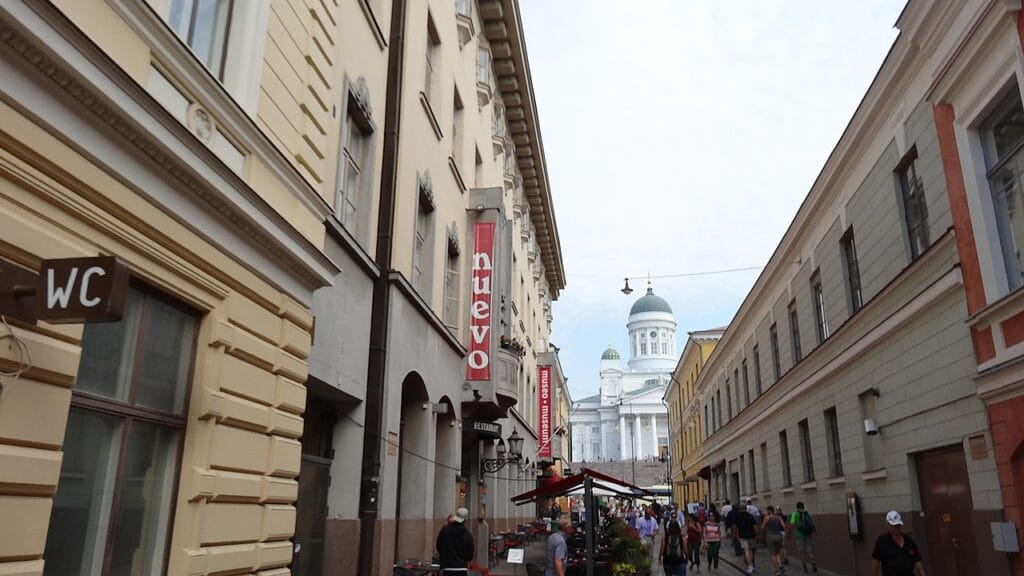
Why visit:
- Finland’s history explained through 5 connected buildings
- Oldest building from 1757 (Sederholm House)
- Ground floor: café, shop, information desk
- Multiple exhibition levels
Accessibility details:
- Elevators to every floor (max weight: 300kg)
- Fully accessible main entrance (Aleksanterinkatu 16)
- Level pathways throughout
- Accessible restrooms throughout
- Induction loop for hearing aids
- Ground floor café/shop entirely accessible
Time needed: 2-3 hours
Cost: Free (included in Helsinki Card if purchased)
Suomenlinna Sea Fortress: Partially Accessible
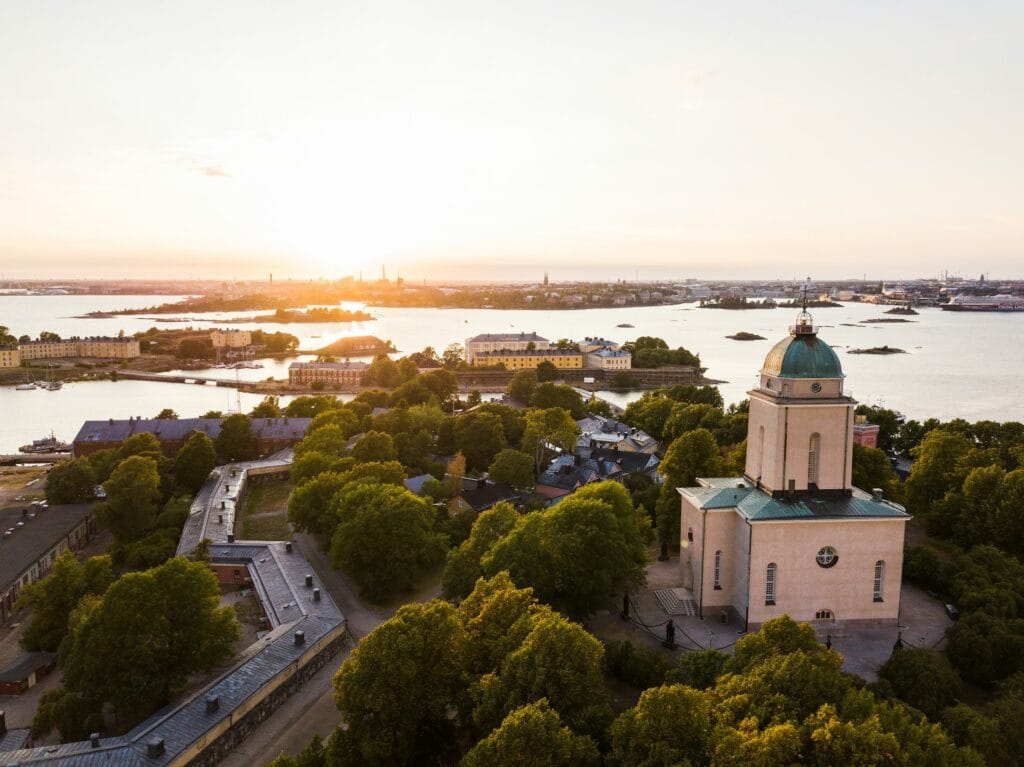
Why visit:
- 18th-century fortress on an island
- UNESCO World Heritage site
- Incredible views of Helsinki harbor
- Historic architecture + nature combined
Accessibility reality (honest):
- Ferry: Fully accessible (ramp boarding)
- Island arrival: Accessible
- Main roads: Cobblestone and hilly (challenging for wheelchair users)
- Fortress paths: Mix of accessible and challenging sections
How to manage:
- Hire a private guide (knows accessible routes, can navigate cobblestones)
- Plan shorter visit (not entire fortress, just main areas)
- Use a taxi or an accessible tour for island transport
- Scope accessibility in advance (website has detailed maps)
Best approach: Book a guided tour specializing in accessible visits
Market Square (Kauppatori): Icon of Helsinki
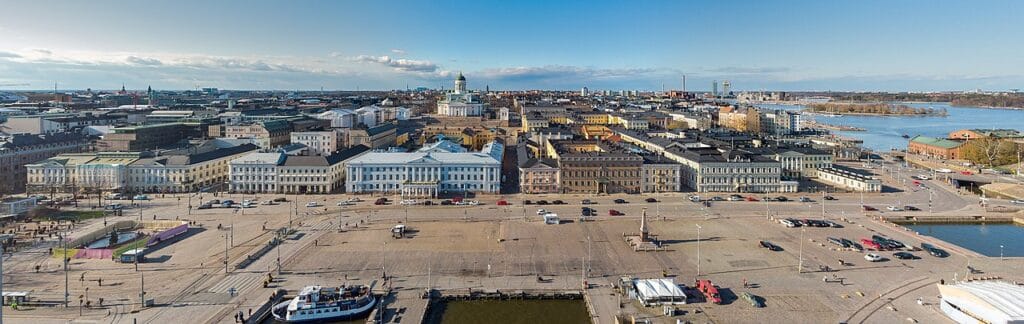
Why visit:
- Iconic Helsinki gathering spot
- Ferry departures (Suomenlinna, other islands)
- Food vendors, outdoor market, cafés
- People-watching central
- Historic atmosphere
Accessibility:
- Fully accessible (smooth paving, level pathways)
- No obstructions
- Cafés accessible (outdoor seating navigable)
- Ferry boarding via ramps
- Restrooms accessible
Experience:
- Grab Finnish food (reindeer, salmon soup)
- Watch boats
- Enjoy waterfront
- Use as starting point for island ferries
Cost: Free (food purchases separate)
Design Museum Helsinki: Modern + Accessible
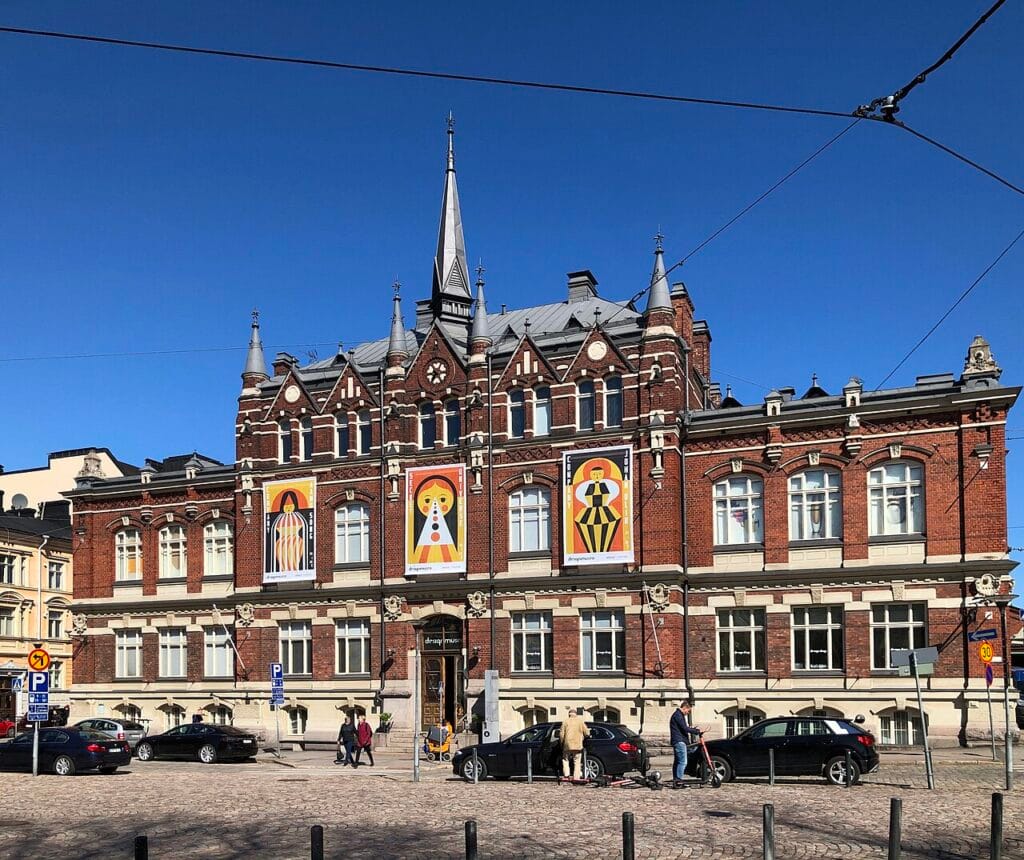
Why visit:
- Finnish design heritage
- Modern museum building (accessibility-designed)
- Exhibitions change regularly
- Shop + café
Accessibility:
- Elevator access
- Fully accessible (modern building standards)
- Level pathways
- Accessible restrooms
- Shop accessible
Cost: €10-15 (or Helsinki Card)
Helsinki Compact City Center: Walkable Urban Design
Best aspect: City center is genuinely compact and flat
Accessible walking exploration:
- Distance: Most attractions within 1km
- Sidewalks: Smooth, obstruction-free, ramps at curbs
- Layout: “Helsinki for All” project prioritized accessibility
- Navigation: Easy to understand, logical street grid
Self-guided experience:
- Senate Square (architecture)
- Uspenski Cathedral (stunning red cathedral)
- Design District (shops, cafés)
- Kallio neighborhood (hipster cafés)
Advantage: Can explore independently without tours
Practical Logistics
01. Arriving at the Airport
Helsinki-Vantaa Airport accessibility:
- Modern airport (accessibility standard)
- Accessible restrooms throughout
- Clear wayfinding
- HSL P train goes directly to city center
- Accessibility: Fully accessible
- Time: 30-35 minutes to Central Station
- Cost: Free for wheelchair users (€5 for a companion)
Alternative: Accessible taxi (pricier but direct)
02. Getting Around Daily
Best strategy:
- Get HSL travel card (covers metro/tram/bus/ferry)
- Download HSL app (enables wheelchair accessibility route planning)
- Wheelchair users: No ticket needed (travel free)
- Enable “wheelchair accessible” toggle in app settings
Planning routes:
- HSL app identifies accessible routes
- Shows elevator locations in the metro
- Indicates low-floor trams
- Provides real-time schedules
03. Wheelchair/Mobility Device Rental
Limited options in Helsinki (not like major capitals)
- Some hotels loan devices (Marski scooter loan program)
- Tourist information may have contacts for rentals
- Recommendation: Bring your own device or inquire with hotel upon booking
04. Accessible Dining
Helsinki dining scene:
- Most restaurants are accessible (modern building standards)
- Cafés have accessible entry + restrooms
- Food quality excellent (Nordic cuisine, international options)
Accessible restaurants (confirmed):
- Scandic Grand Central restaurant (in-hotel)
- Marski by Scandic restaurant (in-hotel)
- Market Square food stalls (outdoor, flat, level)
- Design Museum café (accessible entrance)
Tip: Most casual cafés in city center are accessible. Call ahead for confirmation.
05. Restrooms (Toilets)
Accessible options:
- All major metro stations
- Shopping centers (Kamppi, Forum)
- Hotels (even budget-friendly ones)
- Market Square area
- Museums
Challenges: Older buildings (pre-2000) may have narrow doors/steep ramps
06. Blue Badge Parking
If renting an accessible car:
- Finland accepts EU Blue Badge
- Reserved parking in city center
- Details: HSL website or MyHelsinki
The Honest Challenges
Helsinki is genuinely accessible, but:
01. Weather
- Winter (Nov-March): Snow, ice, icy sidewalks = harder navigation
- Summer (May-August): Best season for disabled travelers
- Recommendation: Visit June-August
02. Suomenlinna Cobblestones
- Fortress paths are not wheelchair-friendly
- Only a 15-minute ferry ride = not worth the struggle if inaccessible
- Better as a guided tour (guides know accessible routes)
03. Historic Buildings
- Some old attractions (1700s-1800s buildings) have challenges
- But many beautifully retrofitted (Scandic Grand Central example)
- Modern buildings = perfect accessibility
04. Steep Ramps in Old Hotels
- Hotelli Helka: Breakfast room ramp steeper than standards
- Some old buildings have compromises
- Always ask specific questions before booking
05. Narrow Old Elevator in Glo Hotel Kluuvi
- 73cm width (tight for wider scooters)
- Beautiful building, accessibility compromise
- Confirm before booking if the scooter’s width concern
06. Winter Sidewalk Maintenance
- City clears snow/ice, but timing varies
- Some side streets less maintained
- Summer = no concern
FAQ
Do I need a guide at Suomenlinna with a wheelchair?
Depends on ability:
- If you have strong upper body strength + can handle cobblestones: Possible independently
- If you prefer convenience: Hire guide (they know accessible routes)
- If you're not sure: Hire guide (only €50-70, worth it)
Can mobility scooters use Helsinki ferries?
Yes.
Ferries accommodate scooters better than trams (wider spaces, solid ramp boarding).
Which Helsinki metro stations have elevators?
All of them. Every metro station has at least one accessible lift to platform.
Are old trams in Helsinki wheelchair accessible?
No. Older high-floor trams = not accessible.
Use HSL app to find low-floor trams (50% of fleet).
How much does accessible accommodation cost in Helsinki?
€100-260/night depending on hotel:
- Budget: Hotelli Helka (€100-150)
- Mid-range: Marski or Glo (€170-260)
- Premium: Scandic Grand Central (€180-250)
Is Helsinki City Museum fully accessible?
Yes. Elevators to every floor (except one upper-level gallery). Fully accessible main entrance.
Can wheelchair users visit all of Suomenlinna?
No. Cobblestones and hills limit fortress exploration. Ferry accessible, island walkable but challenging.
What's the wheelchair-accessible route on Suomenlinna?
Fortress main gateway → visitor center → perimeter paths are most accessible. Detailed maps available on Suomenlinna website (they publish accessibility maps).
Do Helsinki hotels offer grab bars?
Yes. Standard in accessible rooms: grab bars both sides of toilet, wall-mounted shower seats, handrails in bathrooms.
Is Helsinki city center flat for wheelchairs?
Mostly yes. City center is famously flat. Some gentle slopes but nothing steep. Much better than hilly cities.
What's the best season for disabled travelers in Helsinki?
June-August:
- Warmest weather (15-20°C, comfortable)
- Longest daylight (midnight sun effect)
- No winter accessibility issues
- All attractions open/operating
- Best weather for exploring
Can I travel for free on public transport with my wheelchair?
Yes. Wheelchair users travel free on all HSL vehicles (metro, tram, bus, ferry). Companion travels free too.
The Verdict: Helsinki for Disabled Travelers
Helsinki is one of Europe’s best cities for wheelchair users. Not perfect (Suomenlinna challenges, winter weather), but genuinely accessible with excellent infrastructure, free public transport, and Nordic hospitality.
Best for: Disabled travelers who want to explore independently without constant accessibility struggles. Compact city, excellent transit, accessible hotels, flat terrain.
Visit: June-August for best experience (weather + daylight)
Key takeaway: Helsinki proves that cities can be beautiful, historic, AND genuinely accessible. Nordic standards aren’t always pleasant, but they’re accessible.
Accessibility note: This guide reflects 2026 conditions. Verify specific details with hotels/attractions before travel (accessibility is constantly improving).
Related OffsetMiles Guides:
01. Wheelchair Accessible London: The Complete Step-Free Guide for Disabled Travelers
02. Wheelchair Accessible Paris: The Complete Guide for Disabled Travelers
OffsetMiles helps disabled travelers discover the world without barriers.