

January and February are the best places to visit January February 2026 because the world’s most amazing destinations come alive during these months. While it’s freezing in the Northern Hemisphere, everywhere else is perfect think Northern Lights dancing in the Arctic, powder-fresh ski slopes in the Alps, incredible festivals like Rio Carnival, and warm beaches where you can actually relax. Whether you want adventure, celebration, or pure beach bliss, these two months give you access to the best places to visit January February 2026 all around the globe.
Whether you’re escaping cold weather, chasing adventure in snow, or immersing yourself in global celebrations, 2026 offers unmissable opportunities. This guide showcases 15 destinations perfectly positioned for late January and February travel,from world-class skiing to Carnival explosions to serene beaches where winter feels like a distant memory.
The 15 Essential Destinations
1. Tromsø, Norway: The Northern Lights Capital
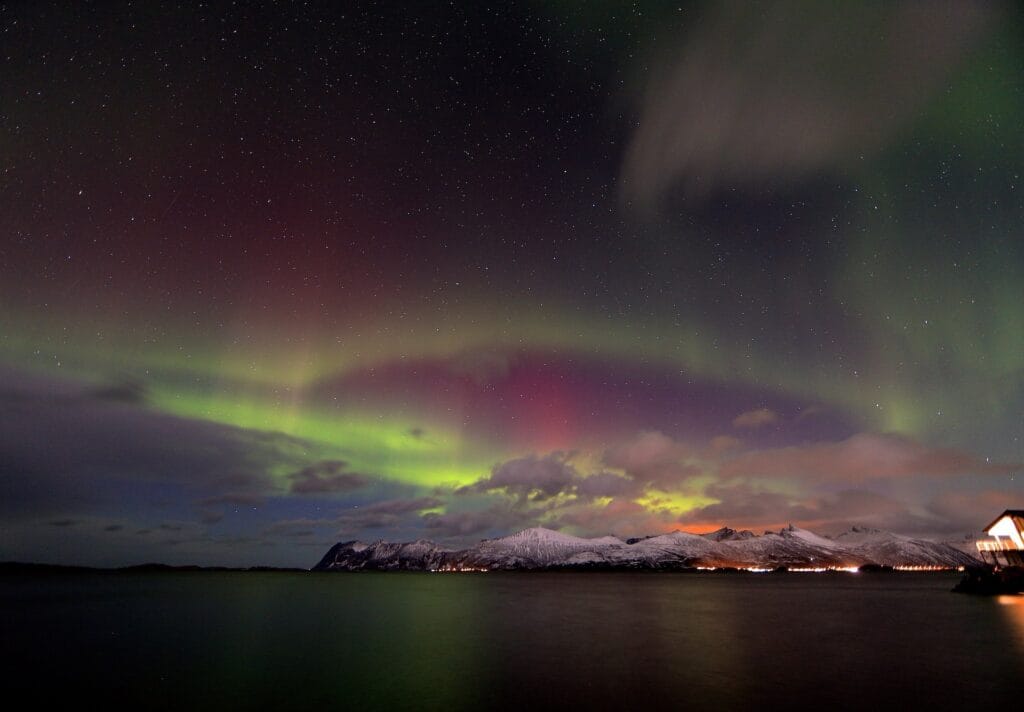
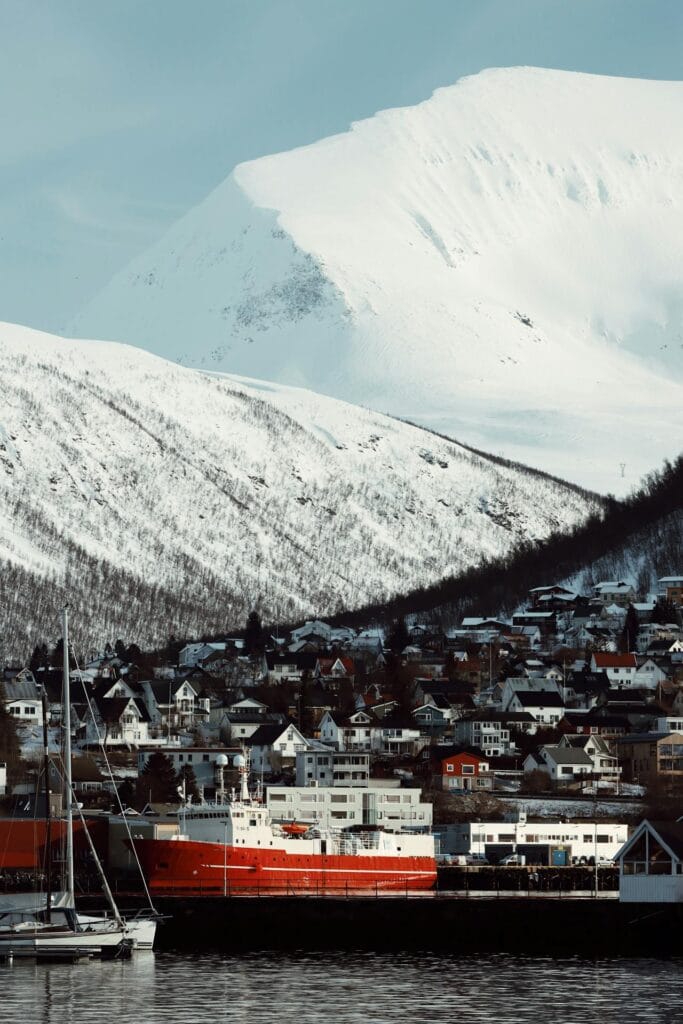
February in Tromsø offers something most places on Earth cannot: the magical dance of the aurora borealis in one of the world’s best viewing locations.
Why visit in early February: While December-January nights are longest, February offers the sweet spot,the nights remain long enough for aurora viewing (approximately 5-6 hours of darkness), yet daylight hours are beginning to increase. This means you can chase the lights at night and explore the Arctic landscape by day. Tromsø also hosts the Sami Festival in early February, a unique cultural experience few travelers know about.
Best for: Aurora hunters, adventure seekers, photographers, culture enthusiasts
What to do: Join a Northern Lights hunt aboard a heated catamaran; visit the Arctic Cathedral; explore Sami culture; enjoy the vibrant café and pub scene (Tromsø has more pubs per capita than any other Norwegian city); try husky sledding
Temperature: -2 to -8°C (28 to 18°F)
Best time to book: Tours fill months in advance; book by August 2025 for peak February dates
Carbon offset note: Round-trip flight from UK: ~0.8 metric tons CO₂; from North America: ~3.5 metric tons
Quick tip 💡: If you don’t see the Northern Lights on your first tour, most operators offer a free return attempt. The 24/7 darkness of winter offers more chances than you’d think.
2. Milano-Cortina, Italy: The 2026 Winter Olympics
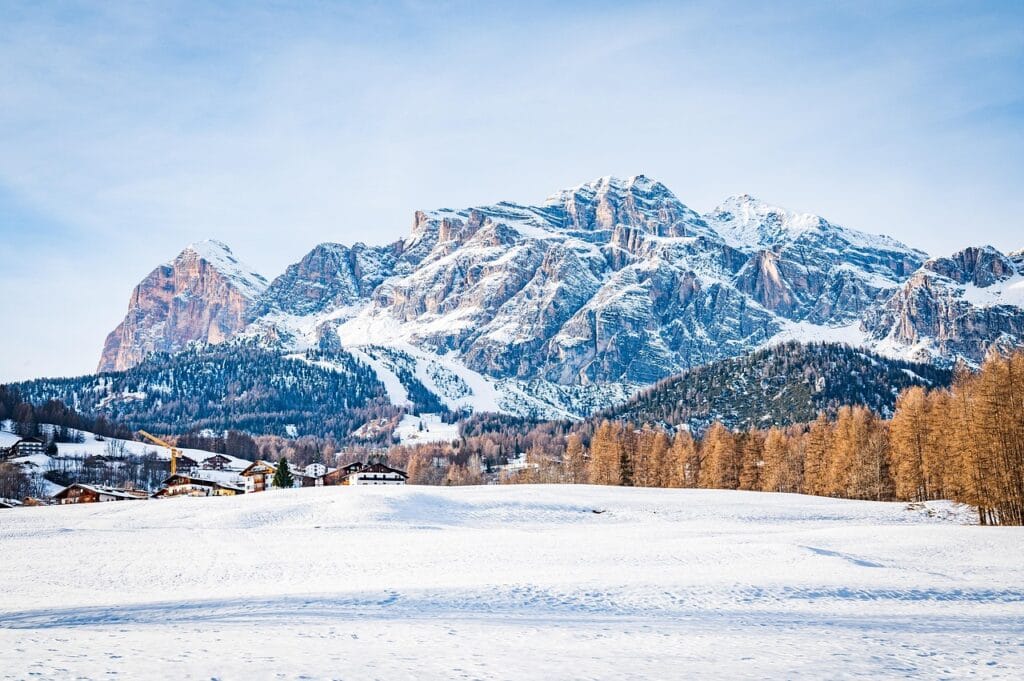
February 6-22, 2026: The Winter Olympics return to Italy for the first time since 1956. Whether you’re attending events or simply soaking in the Olympic atmosphere, it’s unmissable.
Why visit in February: This is the main event. The Dolomites will crackle with energy. The ski slopes will host elite athletes. Even if you don’t have event tickets, the vibe throughout the region will be electric. This is a once-every-four-years phenomenon, and Italy’s hosting guarantees sophistication.
Best for: Winter sports enthusiasts, event seekers, those wanting to be part of history, skiers
Events happening: Alpine skiing, cross-country skiing, ski jumping, biathlon, figure skating, ice hockey, speed skating, snowboard, freestyle skiing. Opening Ceremony: February 6 (Milan); Closing Ceremony: February 22 (Verona)
Where to watch: Milan venues (city center, accessible via metro); Cortina d’Ampezzo and mountain venues (accessible by shuttle from Venice); Val di Fiemme; Livigno; Anterselva
Important note: Expect crowds and higher prices. Book accommodation 6+ months in advance if not already done. Most hotels along the routes will demand premium rates.
Temperature: -5 to 5°C (23 to 41°F) depending on altitude
Carbon offset note: Round-trip flight from North America to Milan: ~2.2 metric tons CO₂
Quick tip 💡: If Olympic tickets are sold out (likely), the après-ski and village atmosphere remain spectacular. Cortina itself is worth visiting even without event attendance.
3. Rio de Janeiro, Brazil: Carnival Season
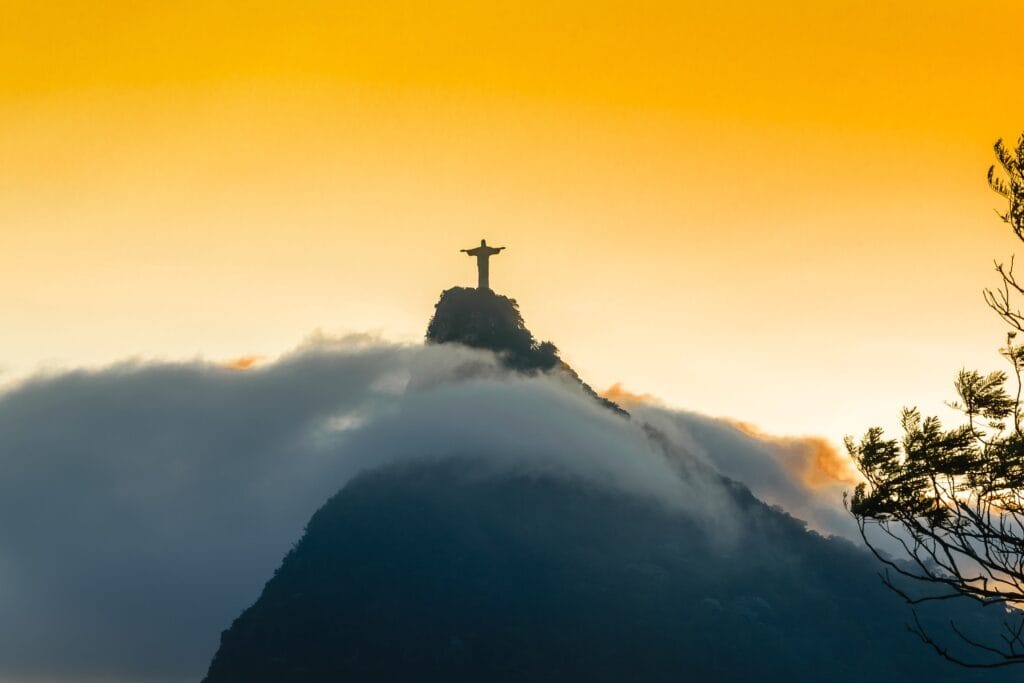

Carnival 2026: February 13-21 (with peak parades February 15-17)
Rio Carnival is the world’s largest festival,a five-day explosion of color, music, dance, and pure joy. If you’ve never experienced it, 2026 is your year.
Why visit in mid-February: Carnival is Rio’s heartbeat. The city transforms. The beaches are perfect (summer in the Southern Hemisphere). The energy is unmatched. This isn’t a tourist overlay; this is Brazilian culture at its most exuberant.
Best for: Festival lovers, dancers, nightlife enthusiasts, culture seekers, those wanting authentic celebration
What to experience: Sambadrome parades (main event); street blocos (neighborhood parties); samba schools; beachside celebrations; live music throughout the city; traditional Brazilian food
Temperature: 25-30°C (77-86°F), humid, occasional rain
Cost considerations: Carnival drives prices up 300-400% above baseline. Budget accordingly. February 13-14 is slightly cheaper (Access Group parades) than February 15-17 (main Special Group parades).
Carbon offset note: Round-trip flight from North America: ~3.2 metric tons CO₂
Important note: Carnival can be overwhelming. Hire a local guide. Stay in a good neighborhood. Book accommodations and parades well in advance (they’re already sold out for 2026).
Quick tip 💡: If you’re not interested in organized Sambadrome parades, the street parties (blocos) offer equally authentic experiences at a fraction of the cost.
4. Tenerife, Canary Islands: Reliable Winter Sun
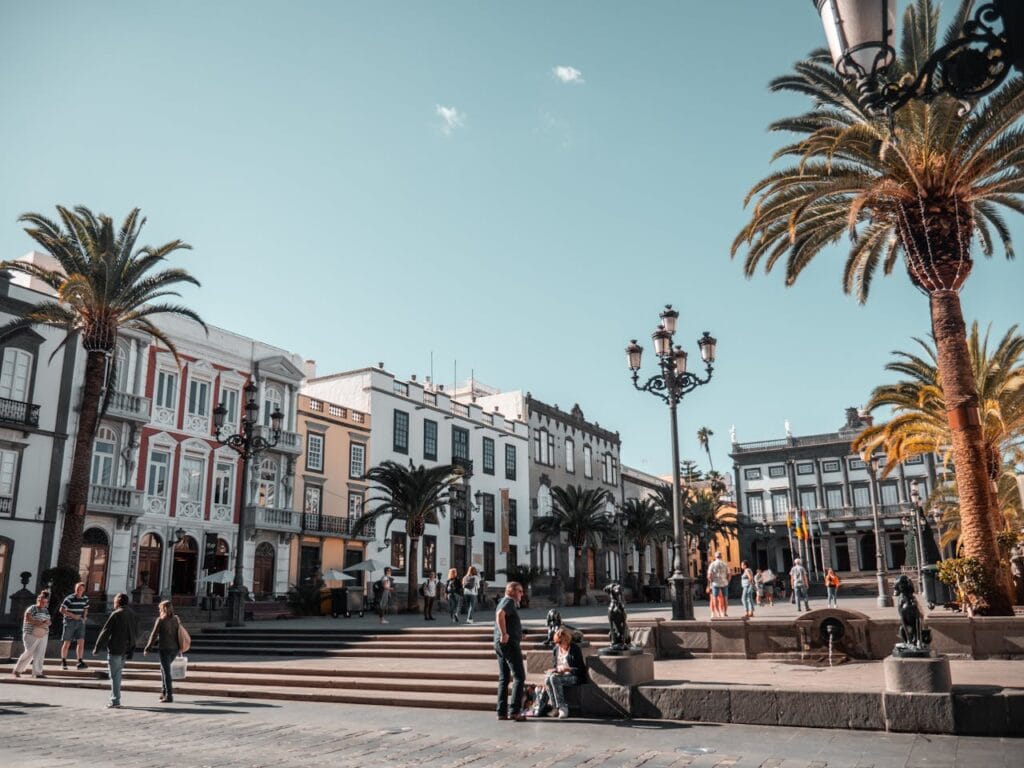
Tenerife offers what most of Europe cannot: reliable warmth in February. It’s close enough for Europeans to reach by short flight, yet warm enough to actually enjoy.
Why visit in February: 20°C (68°F) might not sound warm, but compared to Northern European winters, it feels tropical. The Canary Islands sit off Africa’s coast, capturing warm Atlantic currents. You can hike Mount Teide, enjoy beaches, and explore villages without freezing.
Best for: Families, beach lovers, hikers, budget travelers, sun seekers, those escaping harsh winters
What to do: Hike Mount Teide (Spain’s highest peak); relax on beaches (Playa de las Teresitas is excellent); explore Santa Cruz’s Carnival (concurrent with Rio!); visit charming villages like La Laguna; wine tasting; whale watching
Temperature: 17-22°C (63-72°F), sunny, minimal rain
Carbon offset note: Round-trip flight from Western Europe: ~0.9 metric tons CO₂
Bonus: Tenerife’s own Carnival (Santa Cruz Carnival) happens in late February/early March, offering celebration without Rio’s overwhelming crowds.
Quick tip 💡: February is less crowded than March. If you want February warmth without Carnival crowds (and prices), Tenerife delivers.
5. Sri Lanka: Tropical Perfection
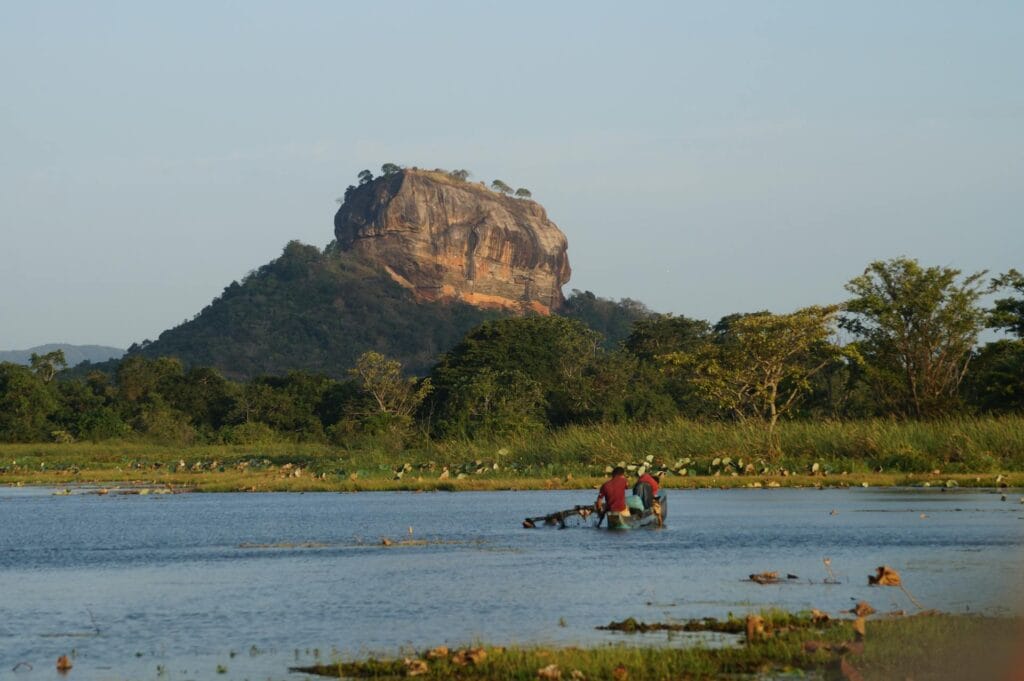
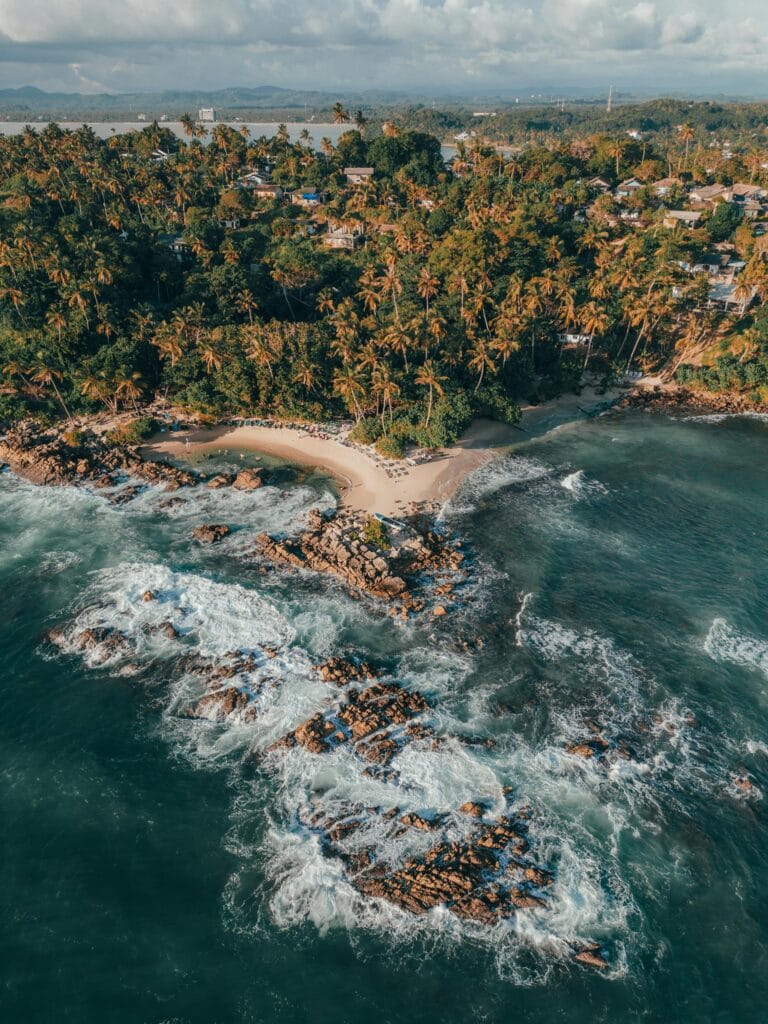
January-February is the dry season for Sri Lanka’s southwest coast,the best beach season of the year.
Why visit in early February: Peak sunshine, minimal rain, perfect beach conditions. The south and west coasts (Galle, Mirissa, Unawatuna) are sublime. Meanwhile, the north (Jaffna Peninsula) and east (Arugambe) also experience dry, warm weather.
Best for: Beach lovers, culture seekers, budget travelers, wildlife enthusiasts, those seeking luxury at low prices
What to do: Beach days in Mirissa; whale watching (sperm whales off the south coast); explore colonial Galle Fort (UNESCO); temple visits; tea plantations; elephant sanctuaries; train journeys through tea hills
Temperature: 28-32°C (82-90°F), sunny, humidity moderate
Carbon offset note: Round-trip flight from Western Europe: ~2.1 metric tons CO₂
Cost advantage: Sri Lanka offers luxury hotel experiences (5-star resorts) at 40-50% of Western prices. February is peak season, but still excellent value.
Quick tip 💡: Rent a car with driver (cheaper than you’d expect) and create your own itinerary rather than joining group tours.
6. Barbados: Caribbean Peak Season
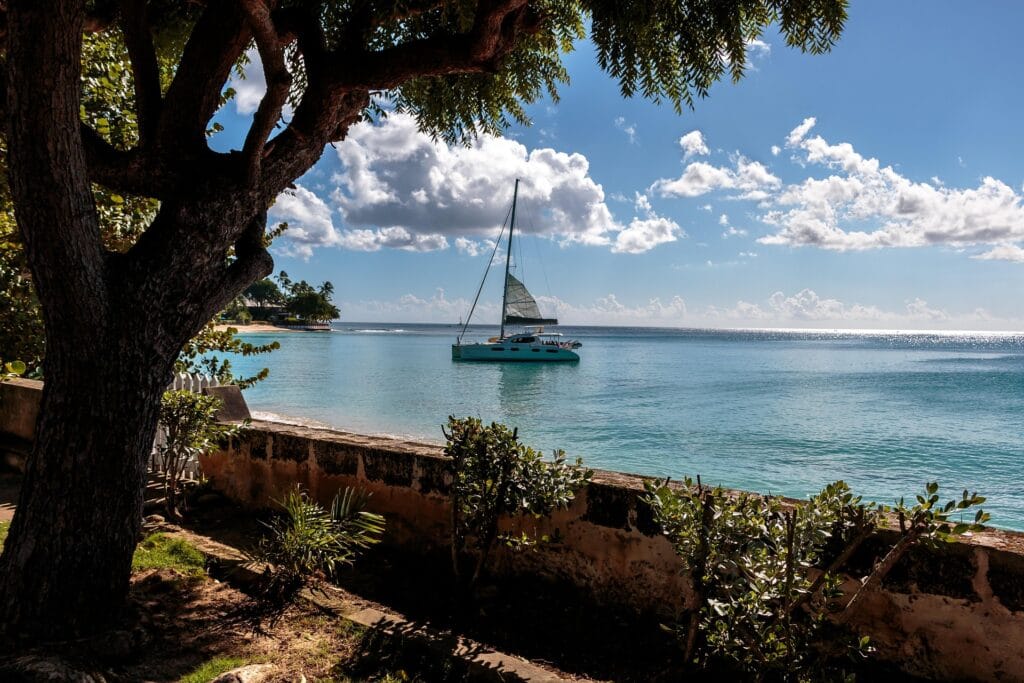
February is Caribbean peak season, and Barbados captures it perfectly: warm, dry, and vibrant without feeling overdeveloped like some islands.
Why visit in February: 29°C (84°F), dry weather, perfect for water sports. Barbados has the warmest, most stable weather in the Caribbean in February. The island has soul,rum shops, local food, genuine culture alongside world-class beaches.
Best for: Couples, beach lovers, water sports enthusiasts, luxury travelers, those seeking Caribbean without cruise-ship crowds
What to do: Beach days on the west coast (Carlisle Bay); surf on the east coast (Bathsheba); rum distillery tours; snorkeling; catamaran sails; Oistins Fish Fry (Saturday night seafood feast)
Temperature: 26-29°C (79-84°F), sunny, dry
Carbon offset note: Round-trip flight from North America: ~2.1 metric tons CO₂
Quick tip 💡: Barbados is slightly pricier than other Caribbean islands but offers better value than nearby luxury islands (St. Barts, St. Lucia).
7. Sapporo, Japan: Snow Festival
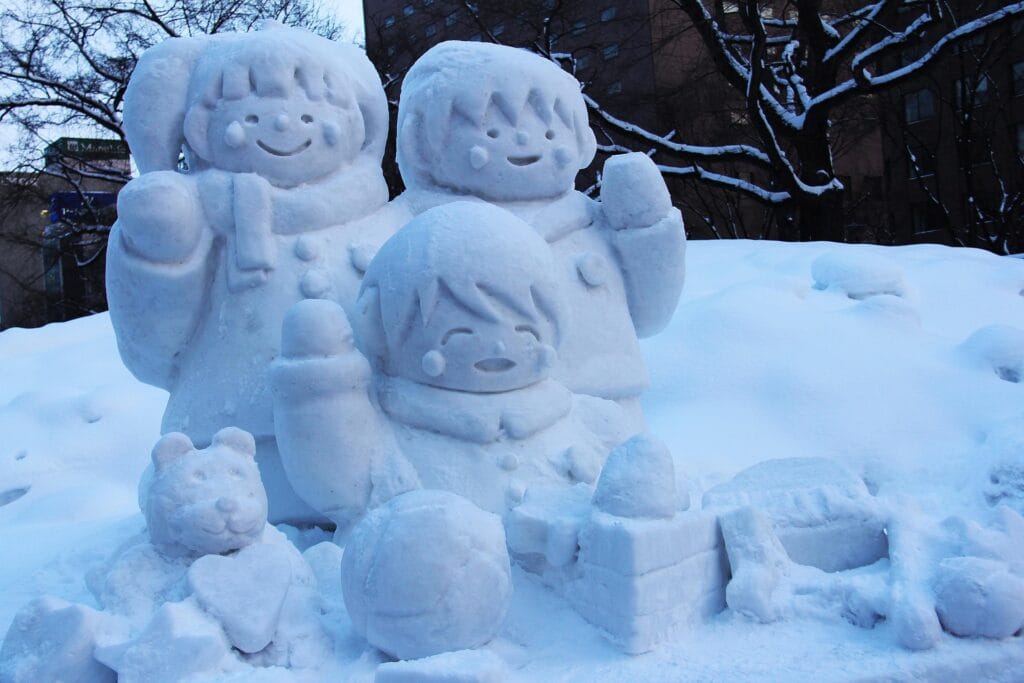
Sapporo Snow Festival: February 4-11, 2026
Sapporo is winter magic. Massive snow sculptures, ice sculptures, incredible food, and the powder snow of Hokkaido all converge.
Why visit in early February: The Sapporo Snow Festival is Japan’s winter phenomenon. Three festival sites (Ōdōri Park, Susukino, Tsudome) feature everything from Olympic-themed sculptures to giant Pokémon characters,all carved from snow. The festival is free. The city transforms.
Best for: Festival lovers, photographers, winter experience seekers, foodies, families, adventurers
What to do: Explore massive snow sculptures at Ōdōri Park (main site, 24 hours, free); enjoy ice sculptures at Susukino (nighttime is magical); visit Tsudome (more family-oriented); ski at nearby Niseko (90 minutes, world-class powder); eat ramen and fresh seafood; visit onsen (hot springs)
Temperature: -5 to -1°C (23 to 30°F), dry, light snow possible
Carbon offset note: Round-trip flight from North America: ~3.2 metric tons CO₂; from Asia: ~1.8 metric tons
Quick tip 💡: Visit during weekdays (avoid weekends) if you hate crowds. Daytime has fewer visitors than night. Combine with Niseko skiing for a complete winter Japan experience.
8. Venice, Italy: Carnival

Venice Carnival: January 31 – February 17, 2026 (peak: February 7, 14, 17)
Venice Carnival is the opposite of Rio: intimate, mysterious, theatrical, elegant. It’s Europe’s most romantic festival.
Why visit in February: While Rio explodes, Venice whispers. Masked balls in 15th-century palaces. Gondola parades. Secret performances. The misty lagoon atmosphere makes everything dreamlike. It’s Venice’s most magical season.
Best for: Romantics, history lovers, photographers, those seeking sophisticated celebration, couples
What to do: People-watch in piazzas (everyone wears masks); attend a masked ball (pricey but unforgettable); explore quiet neighborhoods (where locals celebrate); visit St. Mark’s Basilica; gondola rides; art museums
Temperature: 2-8°C (36-46°F), damp, occasional rain, fog
Note: Venice in winter is muddy, humid, and cramped. But it’s also magical if you embrace it. Skip February 7 and 14 (most crowded); aim for February 5-6 or 15-17 for better balance.
Carbon offset note: Round-trip flight from North America: ~1.9 metric tons CO₂
Quick tip 💡: Buy or rent a mask in advance (masks in Venice are tourist traps). Explore the Cannaregio neighborhood instead of St. Mark’s Square to experience local Carnival.
9. Morzine, France: Family Skiing
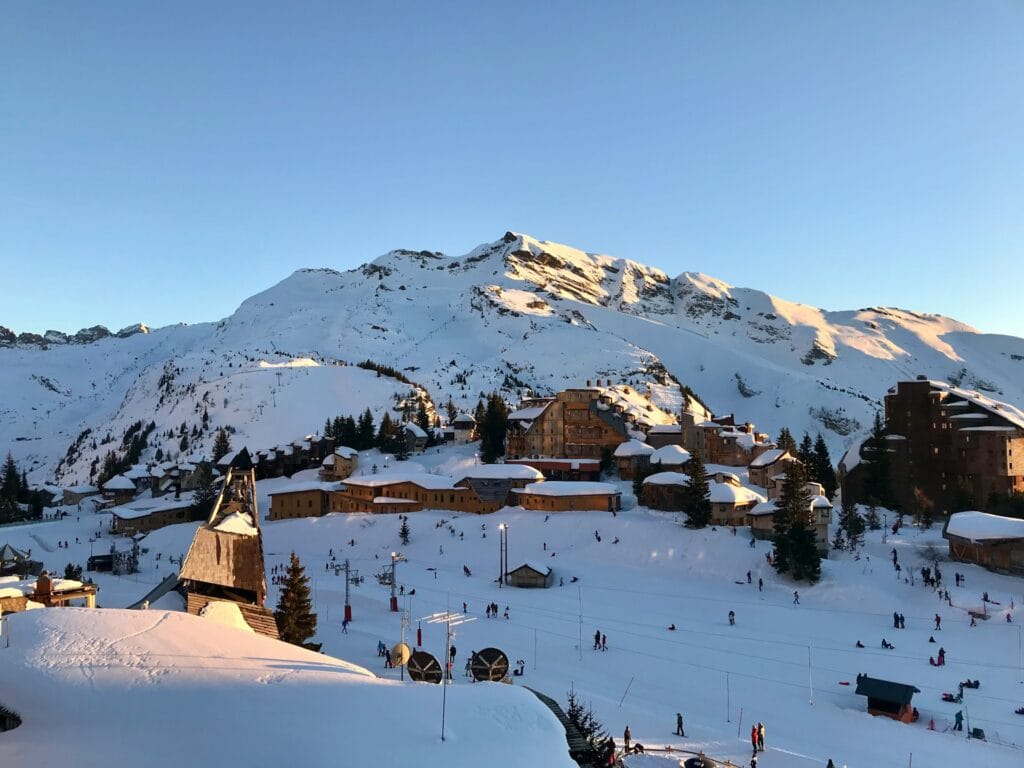
Part of the Portes du Soleil ski system, Morzine offers accessible, high-quality skiing with a charming village vibe.
Why visit in February: February is prime ski season in the Alps. Snow is reliable. Days are longer than December/January. Temperatures are cold enough for good skiing conditions. Morzine, unlike massive resorts, retains village character.
Best for: Families, skiers of all levels, those seeking authentic Alpine village, ski + relax combinations
What to do: Skiing across Portes du Soleil (13 resorts, one lift ticket); explore the village; visit local markets; enjoy mountain restaurants; hot chocolate breaks; evening fondue
Temperature: -8 to -2°C (18 to 28°F), variable snow, some rain at lower elevations
Carbon offset note: Round-trip flight from North America to Geneva: ~2.1 metric tons CO₂
Quick tip 💡: Morzine is more relaxed than Chamonix or Val d’Isère. Good for families and intermediate skiers. February prices are lower than December.
10. Banff, Canada: Winter Wonderland Skiing
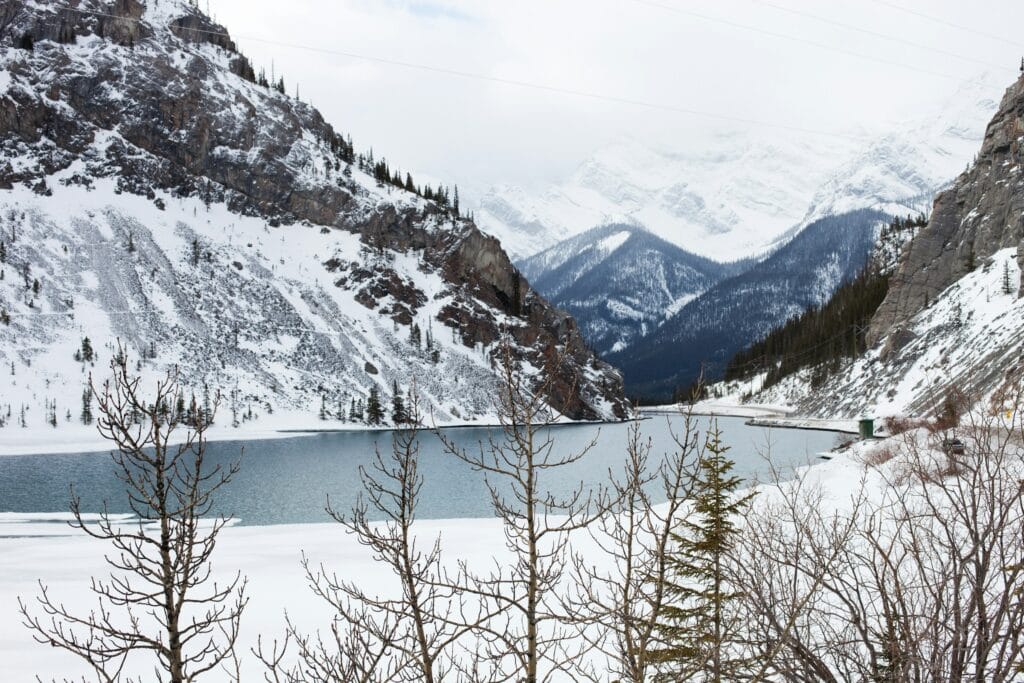
Banff offers access to three world-class ski resorts (Sunshine, Lake Louise, Mt. Norquay) with some of Canada’s most reliable powder snow.
Why visit in February: February is peak ski season. Snow is deep. Three resorts on one lift ticket means variety. Frozen Lake Louise is iconic. The Canadian Rockies provide stunning scenery. The skiing is genuinely excellent.
Best for: Skiers, winter sport lovers, nature seekers, those wanting stunning scenery with skiing
What to do: Skiing at Sunshine (30 feet annual snowfall, huge terrain); Lake Louise (4,200 skiable acres); Mt. Norquay (family-friendly, night skiing); hike frozen Lake Louise; visit Banff hotsprings; enjoy après-ski in town
Temperature: -15 to -5°C (5 to 23°F), dry, reliable snow
Cost note: Banff skiing is expensive. Lodging, food, and lift tickets command premium prices. But skiing quality justifies it.
Carbon offset note: Round-trip flight from North America: ~1.2 metric tons CO₂ (closer than Europe)
Quick tip 💡: Book accommodation at least 3 months in advance. The Tri-Area ski pass gives access to all three mountains. February has good conditions but fewer crowds than March break.
11. Costa Rica (Pacific Coast): Dry Season Adventure
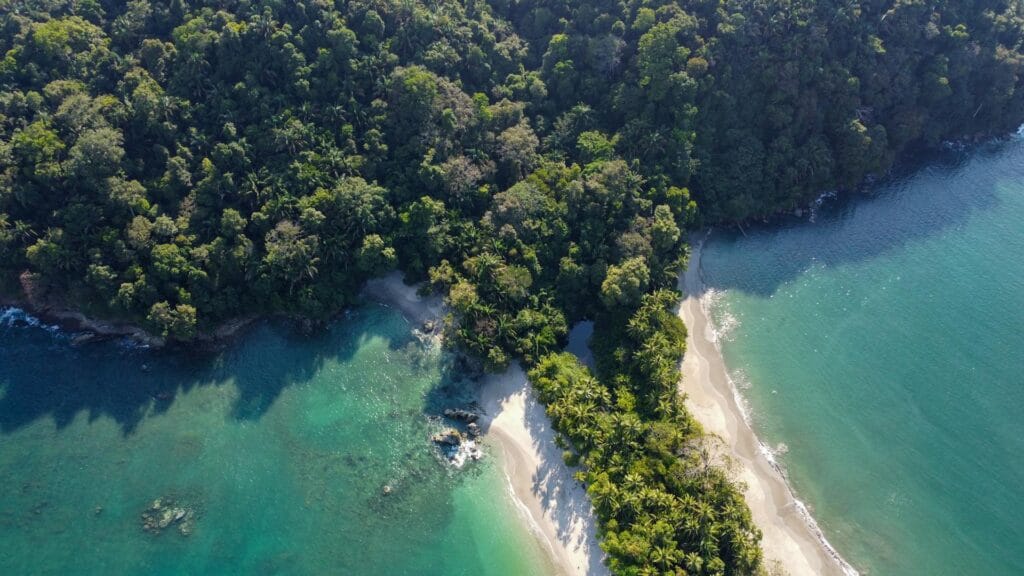
February is the heart of Costa Rica’s dry season, perfect weather for adventure, wildlife, and beaches.
Why visit in February: You’ll experience Costa Rica at its best. Dry weather means clear skies for wildlife spotting. Arenal Volcano is more visible. Zip-lining, rafting, and surfing are all excellent. The landscape is lush and green (unlike some dry seasons elsewhere).
Best for: Adventure travelers, wildlife lovers, families, zip-liners, surfers, eco-conscious travelers
What to do: Wildlife spotting in national parks (sloths, macaws, monkeys); Arenal Volcano; zip-lining; whitewater rafting; surfing on Pacific coast; hot springs near Arenal; beach relaxation
Temperature: 25-30°C (77-86°F), sunny, occasional afternoon showers in some regions
Carbon offset note: Round-trip flight from North America: ~2.5 metric tons CO₂
Quick tip 💡: Guanacaste Province (northwest) has the best weather. Manuel Antonio combines beaches with wildlife. Monteverde offers cloud forest if you want to escape heat.
12. Oman: Middle East Adventure
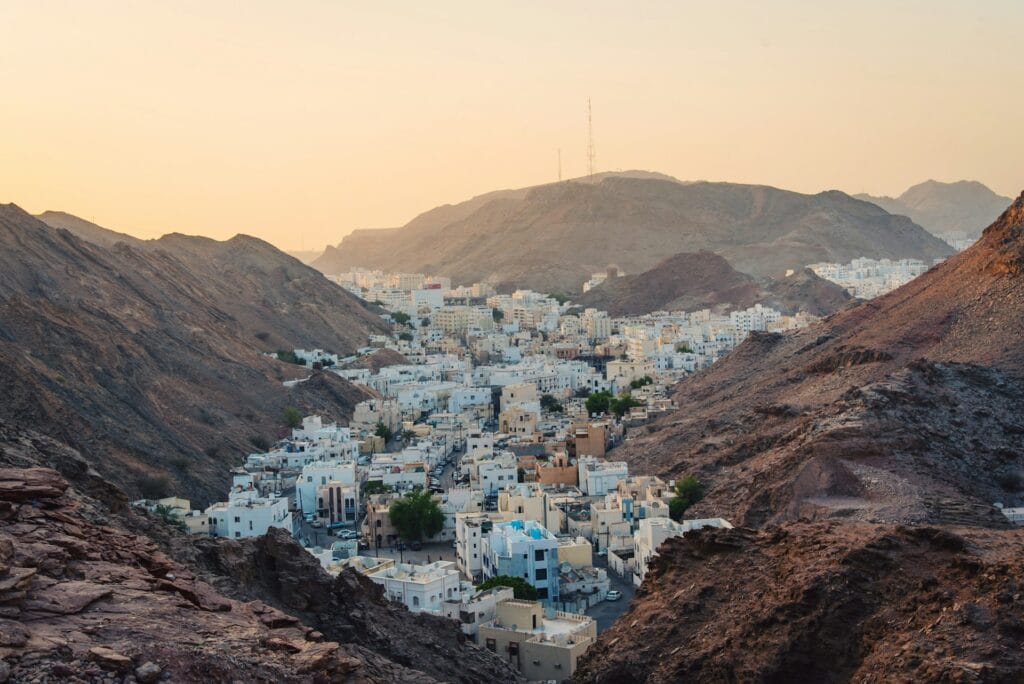
Oman is one of Arabia’s best-kept secrets. February offers perfect weather for exploration without summer’s intense heat.
Why visit in February: Temperatures are ideal (18-26°C / 64-79°F). The desert is cool enough for exploration. Wildflower season is peaking. The country is safe, welcoming, and dramatically beautiful. Few tourists discover Oman.
Best for: Adventure travelers, culture seekers, desert lovers, nature photographers, those seeking something different
What to do: Desert safaris in Wahiba Sands; hiking in Hajar Mountains; wadi swimming (Wadi Shab, Wadi Bani Khalid); coastal exploration; traditional souks; Muscat Festival (through mid-February); turtle watching at Ras al Jinz
Temperature: 18-26°C (64-79°F) daytime, cooler at night, especially in desert and mountains
Carbon offset note: Round-trip flight from Europe: ~2.1 metric tons CO₂
Quick tip 💡: Hire a local guide. Oman rewards curiosity and exploration. The north (Muscat, mountains) and south (Salalah region) offer different experiences.
13. Phuket, Thailand: Dry Season Beach Bliss
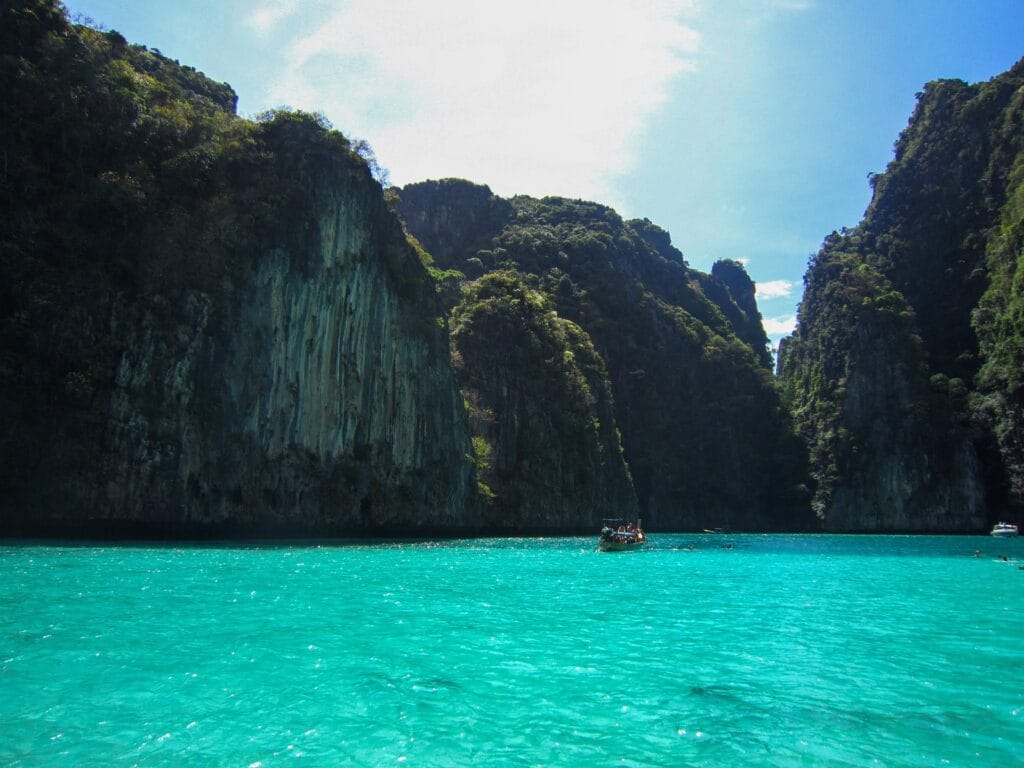
February is peak season for Thai beaches. Phuket remains Thailand’s most accessible beach island, with excellent infrastructure and proximity to Phi Phi Islands, Similan Islands, and Krabi.
Why visit in February: 32°C (90°F), sunny, no rain. The islands are accessible. Water temperature is perfect. This is peak season for diving, snorkeling, island hopping, and beach relaxation.
Best for: Beach lovers, divers, island hoppers, nightlife seekers, backpackers, luxury travelers, water sports enthusiasts
What to do: Beach days; island hopping to Phi Phi; diving/snorkeling at Similan Islands; Krabi rock climbing; Phuket nightlife; Thai cuisine; water sports
Temperature: 30-32°C (86-90°F), sunny, dry, low humidity
Carbon offset note: Round-trip flight from Asia-Pacific: ~2.1 metric tons CO₂; from North America: ~4.5 metric tons
Quick tip 💡: February is peak season (high prices, crowds). If budget is limited, consider going March 1st. Prices drop immediately after peak season.
14. New Orleans, USA: Mardi Gras
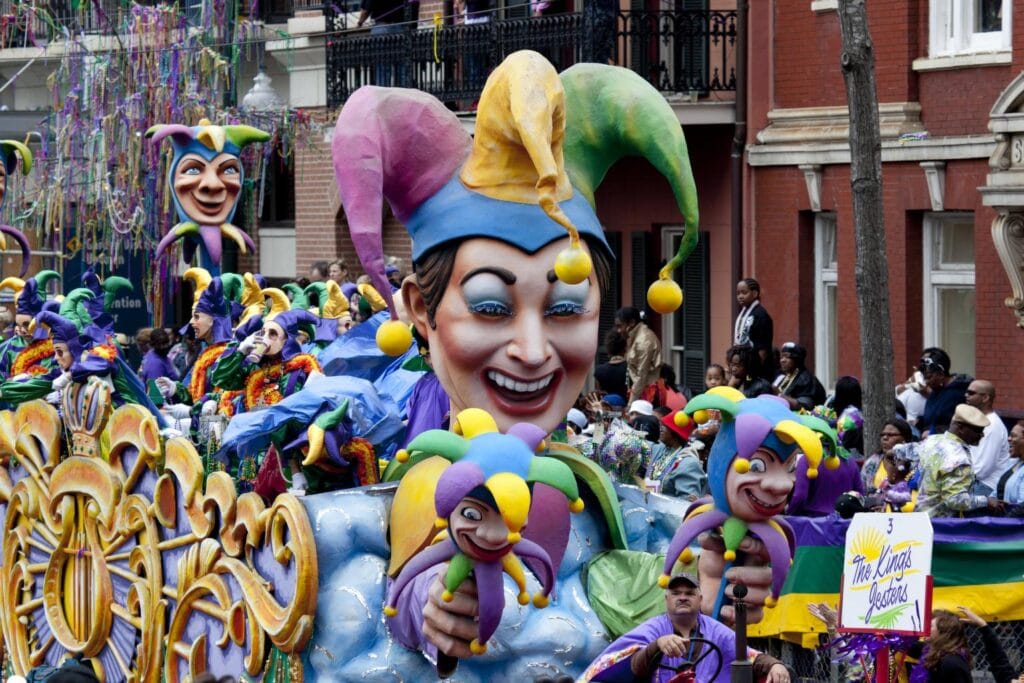
Mardi Gras 2026: February 17 (Fat Tuesday), with parades running from February 6-17
Mardi Gras is uniquely American,a celebration of music, food, culture, and pure joy.
Why visit in mid-February: Mardi Gras represents New Orleans at its most vibrant. Multiple parades daily. Live music everywhere. Food is incredible. The energy is infectious. Even if you’re not partying, the atmosphere is unmissable.
Best for: Music lovers, foodies, party enthusiasts, culture seekers, those wanting authentic American celebration
What to do: Watch parades (many are free street viewing); attend balls (ticketed, elegant); Bourbon Street festivities; live jazz clubs; Creole food; French Quarter exploration; swamp tours
Temperature: 10-15°C (50-59°F), can be chilly and damp
Note: Mardi Gras can be rowdy. Bourbon Street caters to a specific crowd. The culture is deeper in live music venues, restaurants, and neighborhood parades.
Carbon offset note: Round-trip flight from North America: ~1.8 metric tons CO₂
Quick tip 💡: Arrive before February 6 to find accommodation. Book through February 17. Experience parades outside Bourbon Street,the real culture is in neighborhoods like Mid-City and Uptown.
15. Cape Verde (Sal): Mid-Haul Sun
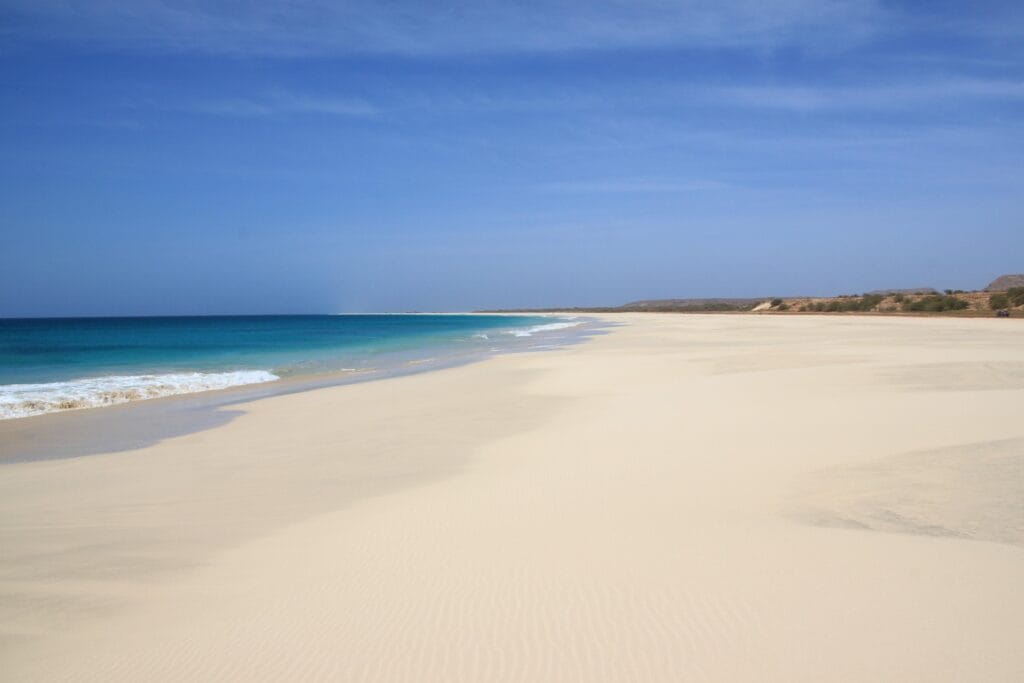
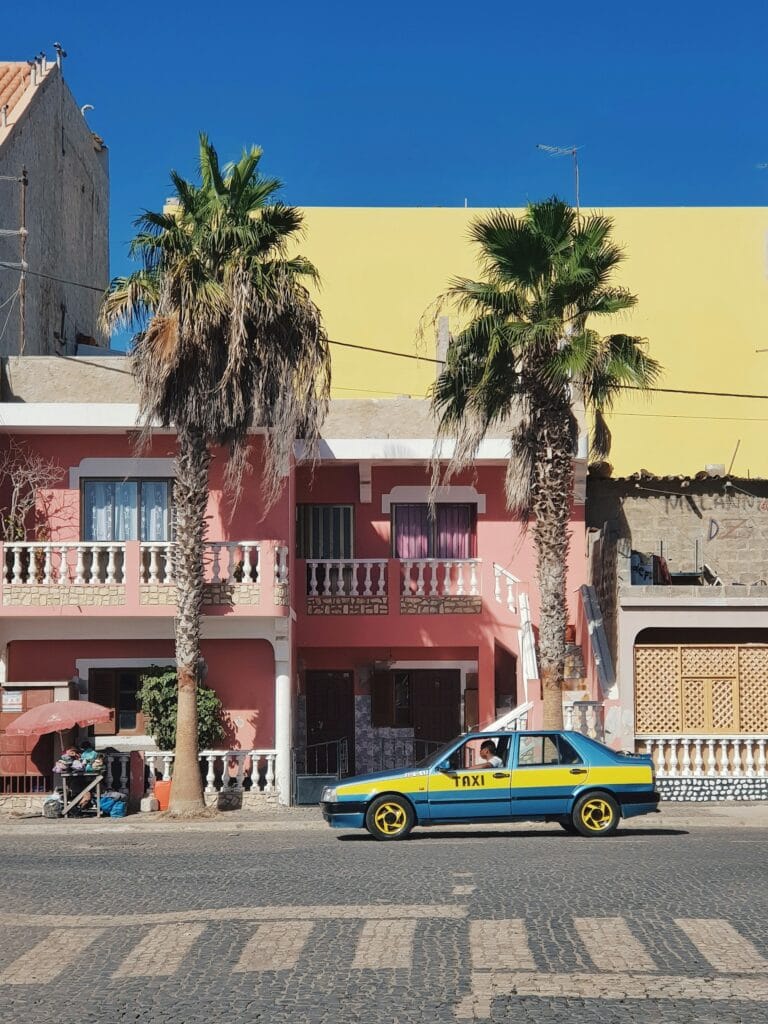
Cape Verde, an island nation off West Africa’s coast, offers guaranteed sun, minimal jet lag from Europe, and exceptional value.
Why visit in February: 25°C (77°F), completely dry, constant sun. The islands feel remote yet are accessible from Europe. It’s one of the few places offering guaranteed February sunshine close to Europe with minimal flight time.
Best for: Budget travelers, beach lovers, kitesurfers, those seeking value, European travelers seeking nearby sun
What to do: Beach relaxation; kite surfing (world-class conditions); water sports; exploration of quieter islands like Sal and Boa Vista; local food; all-inclusive resort relaxation
Temperature: 24-26°C (75-79°F), sunny, dry, minimal humidity
Carbon offset note: Round-trip flight from Western Europe: ~0.7 metric tons CO₂ (very low due to proximity)
Quick tip 💡: Tourism infrastructure is developing. All-inclusive resorts offer good value. Less developed than Spanish coast, but more authentic.
By Travel Style: Where Should YOU Go?
- Seeking Northern Lights: Tromsø, Iceland
- Seeking Winter Sports/Skiing: Banff, Morzine, Alps
- Seeking Events & Celebration: Rio Carnival, Venice Carnival, Sapporo Festival, New Orleans Mardi Gras
- Seeking Beach Sun: Tenerife, Barbados, Sri Lanka, Phuket, Cape Verde
- Seeking Budget Travel: Cape Verde, Oman, Sri Lanka, Costa Rica
- Seeking Luxury: Banff, Barbados, Phuket
- Seeking Adventure: Costa Rica, Banff, Oman
- Seeking Culture: Oman, Sri Lanka, New Orleans, Venice
- Seeking Couples Getaway: Barbados, Venice, Tenerife, Sri Lanka
Event Calendar: Key Dates
| Event | Date | Location | Best For |
| Sapporo Snow Festival | Feb 4-11 | Japan | Festival lovers, photographers |
| Milano-Cortina Winter Olympics Opening | Feb 6 | Milan, Italy | Sports enthusiasts, history seekers |
| Rio Carnival (Main Parades) | Feb 15-17 | Brazil | Party lovers, dancers |
| Venice Carnival | Jan 31-Feb 17 | Italy | Romantics, photographers |
| Mardi Gras | Feb 6-17 (Fat Tuesday Feb 17) | New Orleans | Music lovers, foodies |
| Muscat Festival | Runs through mid-Feb | Oman | Culture seekers |
Planning Your Winter Getaway
Booking Timeline
- Olympic events: Book now if not already done (likely sold out)
- Carnival (Rio, Venice, New Orleans): Book 4-6 months ahead
- Ski resorts: Book 3-6 months ahead
- Beach resorts (warm destinations): Book 2-4 months ahead
- Northern Lights tours: Book 6-12 months ahead
Budget by Destination
| Destination | Daily Cost | Flight (N.America) | Total 7 Days |
| Cape Verde | $50-80 | $600-1,000 | $950-1,560 |
| Oman | $60-100 | $800-1,400 | $1,220-2,100 |
| Sri Lanka | $70-120 | $800-1,300 | $1,290-2,140 |
| Phuket | $60-120 | $1,000-1,800 | $1,420-2,640 |
| Costa Rica | $100-150 | $500-1,000 | $1,200-2,050 |
| Tenerife | $70-120 | $600-1,200 | $1,090-1,840 |
| Barbados | $120-200 | $600-1,200 | $1,440-2,600 |
| New Orleans | $100-180 | $400-900 | $1,100-2,160 |
| Venice | $100-180 | $400-900 | $1,100-2,160 |
| Tromsø | $120-200 | $800-1,400 | $1,640-2,800 |
| Sapporo | $100-170 | $800-1,600 | $1,500-2,790 |
| Morzine | $120-200 | $500-1,200 | $1,340-2,600 |
| Banff | $150-250 | $400-900 | $1,450-2,650 |
| Milan/Cortina (Olympics) | $150-300+ | $400-900 | $1,450-3,000+ |
| Rio Carnival | $120-250 | $600-1,200 | $1,440-2,950 |
FAQ
Which destination is best for first-time international travelers?
Costa Rica, Phuket, or Tenerife. All have excellent tourism infrastructure, English speakers, safe conditions, and intuitive logistics.
Can I visit these in just a long weekend?
Rio Carnival, New Orleans Mardi Gras, and Venice Carnival work for long weekends. Northern Lights require 3-5 days minimum. Skiing resorts need 4-7 days. Beach destinations benefit from 5-7 days minimum.
Which destination has the most reliable good weather in February?
Cape Verde, Phuket, and Oman have near-guarantee sunshine. Barbados and Sri Lanka are very reliable. Tenerife is reliable but occasionally rainy.
Is it expensive to visit during these events?
Rio Carnival, Mardi Gras, and Olympic events drive prices up 200-400%. Sapporo Festival and Venice Carnival are pricier but less extreme. Beach destinations during peak season (but non-festival) run baseline rates.
Which destination is best for solo travelers?
Costa Rica, Phuket, Sri Lanka, and New Orleans all have good infrastructure for solo travelers. Tromsø is also excellent,Northern Lights tours are often group-based, providing social opportunities.
Can I combine multiple destinations?
Absolutely. Examples:
- Caribbean combo (2 weeks): Barbados + Costa Rica
- European combo (10 days): Venice Carnival → Morzine skiing
- Southeast Asia (3 weeks): Phuket → Sri Lanka
When should I book to get the best prices?
For events (Carnival, Olympics, Mardi Gras): 6+ months ahead
For peak season beach destinations: 3-4 months ahead
For skiing: 3-4 months ahead, though January can offer deals
For off-peak beach destinations (Oman, Cape Verde): 4-8 weeks ahead
What's the carbon impact of visiting these destinations?
Lowest impact: Cape Verde (0.7 MT), Tenerife (0.9 MT)
Low-moderate: Western Europe destinations (~1-2 MT)
Moderate: North America to Caribbean (~2-2.5 MT)
Higher impact: Long-haul Asia/Australia (~3-4+ MT)
Consider offsetting your flight through verified programs ($15-30 per metric ton).
Is there a destination that offers both adventure and relaxation?
Costa Rica perfectly balances adventure (zip-lining, hiking, water sports) with relaxation (beaches, hot springs). Sri Lanka also offers this balance.
Your February 2026 Adventure Awaits…
January and February represent the pinnacle of global travel diversity. While some regions celebrate legendary festivals, others offer perfect skiing or beaches. A few destinations combine multiple appeal: Tenerife offers both sun and Carnival; Costa Rica offers adventure and luxury relaxation; Oman offers culture and adventure.
The key is choosing based on what genuinely excites you,not what Instagram suggests. Whether that’s chasing the aurora over Arctic ice, dancing through Rio’s Sambadrome, skiing through Canadian powder, or swimming in a tropical sea, February 2026 has your answer.
Book now. The best destinations have limited availability for this peak window.
Last Updated: December 2025
Important Note: All information was accurate at publication. Verify current flight prices, accommodation availability, and specific event details closer to your travel date.
OffsetMiles helps travelers explore the world responsibly, one season at a time.